TRENDING

Friday, 6 November 2026
----------------------
26 Jumada Al-Awwal 1448 AH
Provincial reshuffles reveal a new generation of officials positioning themselves for power, while ordinary citizens face the fallout of a leadership race hidden from public view.
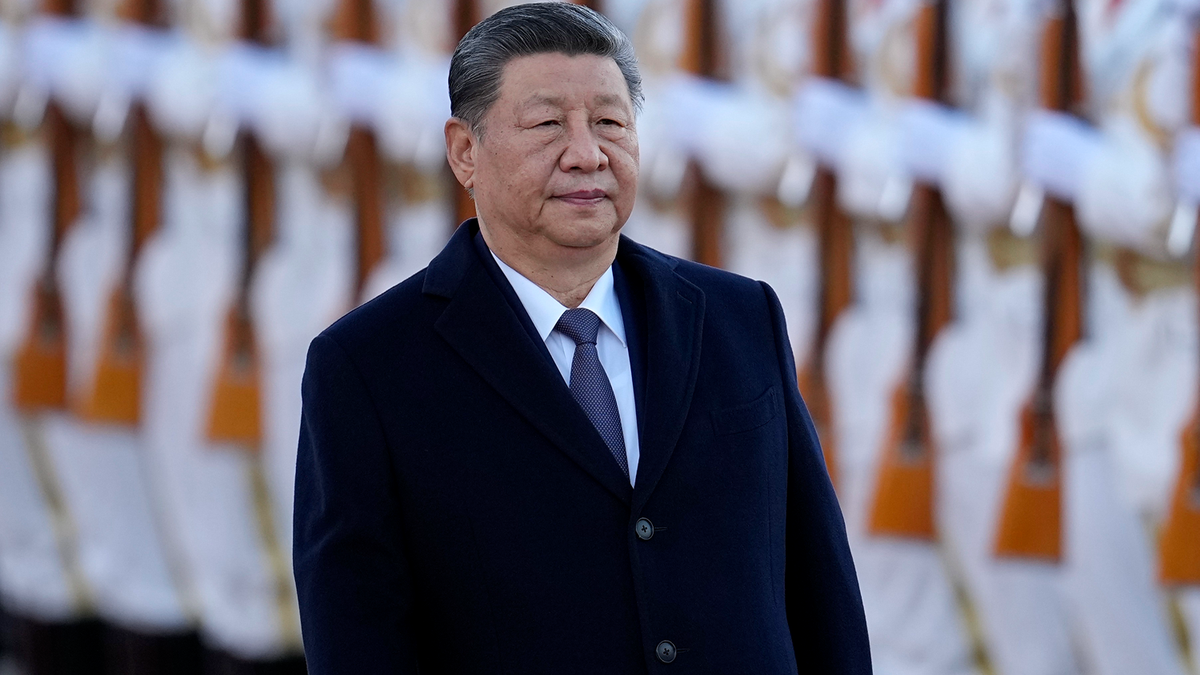
The 21st National Congress of the Chinese Communist Party (CCP) looms in late 2027, yet no clear heir to Xi Jinping has emerged. Recent provincial personnel changes—new party secretaries in Anhui, Henan, Fujian, Hunan, and Yunnan, plus younger governors in Fujian, Qinghai, and Hunan—signal a generational shift toward cadres born between 1964 and 1975. These moves are widely read as Xi’s way of testing and assembling a pool of potential successors.
Xi’s break from the two‑term norm created a unique succession calculus. Loyalty, predictability, and competence form a three‑part filter that any heir must satisfy. By promoting officials in economically vital provinces—Shanghai, Zhejiang, Jiangsu, Guangdong—Xi forces them to prove they can deliver growth, manage crises, and stay ideologically aligned. The reshuffles also serve a strategic purpose: they disperse power centers, preventing any single figure from amassing a rival base before Xi steps aside. Age is another lever; officials born in the late 1960s will be in their mid‑60s by 2037, an age range that may curb independent ambition while still offering enough experience to command the party‑state apparatus.
Provincial leaders are judged on GDP targets, often at the expense of agricultural subsidies and rural infrastructure. In Anhui and Henan, new secretaries have accelerated land‑use reforms that push smallholder farmers into larger agribusiness contracts, reducing income stability for millions.
Shanghai’s acting mayor Zhu Zhongming inherited a city already grappling with housing affordability and tech sector regulation. His mandate to tighten real‑estate financing has already spurred a slowdown in construction, threatening jobs for construction workers and ancillary service providers.
The appointment of younger officials to ministries overseeing state‑owned assets, such as Emergency Management Minister Zhang Chengzhong, signals a push for efficiency reforms. While intended to boost productivity, these reforms often lead to layoffs, early retirements, and the erosion of long‑standing labor contracts within the SOE sector.
Official statements emphasize “collective leadership” and “continuity of the socialist path,” yet the rapid turnover of provincial secretaries hints at a covert power‑play. By rotating cadres, the central leadership prevents any one regional network from solidifying enough influence to challenge Xi’s authority.
National statistics continue to showcase modest growth, but provincial reports under the new appointees are being edited to meet central targets. This statistical smoothing hides the real impact of policy shifts on local economies, allowing the leadership to project stability while grassroots hardships mount.
Western analysts focus on the visible reshuffles, but the CCP’s internal deliberations remain opaque. The lack of a publicly named successor is a deliberate strategy to keep foreign governments uncertain, limiting their ability to craft long‑term diplomatic or economic policies toward China.
The next Party Congress in 2027 will be the first real test of whether the assembled cohort can coalesce around a single figure. Watch for:
- The elevation of any of the 1964‑1975‑born officials to the Politburo or Secretariat, which would signal a narrowing of the field.
- Policy shifts in the newly appointed provinces, especially any deviation from central growth targets, which could reveal emerging fault lines.
- Statements from Xi’s inner circle about retirement timelines; a sudden announcement could accelerate the succession race.
- Reactions from the United States and regional neighbors as they interpret these moves, particularly in trade negotiations and security postures around Taiwan.
By tracking these indicators, observers can better gauge how the hidden succession battle will shape China’s domestic trajectory and its role on the world stage.
Xi broke the two‑term norm and prefers to keep power consolidated, so he cultivates a pool of loyal officials rather than naming a single heir, preventing any rival faction from forming early.
The appointments favor officials born between 1964 and 1975, suggesting Xi is grooming a generation that will be old enough to be predictable yet experienced enough to manage complex domestic and international challenges.
Policy shifts aimed at meeting central targets can lead to reduced subsidies for farmers, tighter housing markets in cities, and restructuring of state‑owned enterprises, all of which directly impact livelihoods.
Editor's Note: Analysis based on publicly reported personnel changes and established CCP succession patterns.
Source referenced: FOREIGNPOLICY
This brief was synthesized by our Editorial Engine and reviewed by The Ground Narrative team.


