TRENDING

Friday, 6 November 2026
----------------------
26 Jumada Al-Awwal 1448 AH
A series of anonymous bomb threats targeting passenger flights across Europe has triggered widespread security alerts and significant travel disruptions. While no explosive devices were found, the incidents highlight a new vulnerability in global aviation and raise questions about the motives behind such coordinated, yet untraceable, acts.
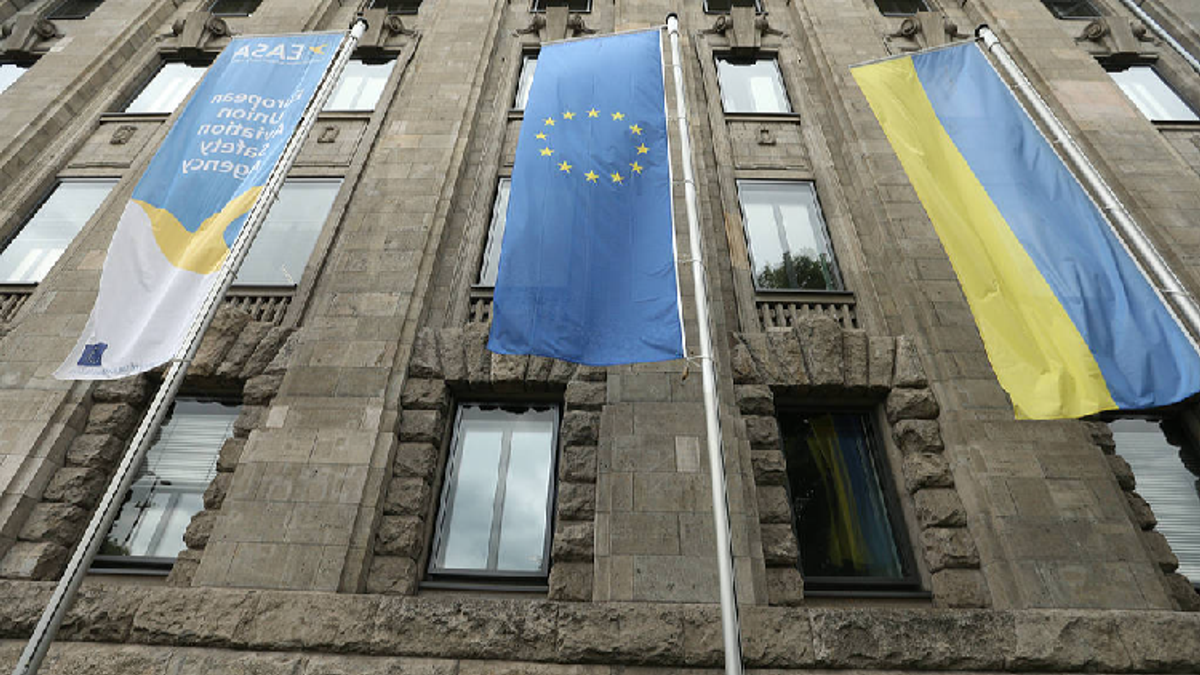
On November 4, 2026, a highly unusual wave of anonymous bomb threats swept across Europe, targeting at least seven passenger flights bound for Poland, Bulgaria, Italy, and Spain. These threats prompted immediate and extensive security responses, including flight diversions, temporary airport closures, and thorough searches of aircraft and facilities. While no actual explosive devices were discovered on any of the threatened flights or locations, the incidents caused significant operational disruptions at major European airports, leaving thousands of travelers stranded or delayed. The European Commission and the European Union Aviation Safety Agency (EASA) confirmed they are closely monitoring the situation and are in contact with affected member states, though they cautioned that it is too early to establish definitive links between the incidents.
The coordinated, anonymous bomb threats against European aviation represent a potent form of asymmetric warfare, designed to inflict maximum disruption and psychological impact with minimal direct resources. The power in this scenario is wielded not through conventional military force, but through the exploitation of complex, interconnected systems and the inherent human fear of the unknown. The perpetrators, whoever they may be, understand that modern aviation is both a symbol of global connectivity and a critical economic artery, making it a high-value target for disruption.
The fundamental power mechanic at play is the exploitation of vulnerability. Air travel, despite its stringent security protocols, remains susceptible to threats that can trigger a cascade of costly and time-consuming responses. A single credible threat, even if ultimately unfounded, necessitates a full security lockdown, diverting resources, delaying flights, and eroding public confidence. This tactic leverages the deep-seated trust that passengers place in aviation safety systems, turning that trust into a point of leverage for those seeking to sow chaos.
Crucially, the lack of a claim of responsibility and the difficulty in attributing the threats grant the perpetrators immense strategic advantage. Without a clear target state, airline, or route, and without a group claiming credit, national authorities are left to grapple with an invisible enemy. This anonymity allows the actors to test the resilience of European security systems, gauge response times, and assess the level of inter-state cooperation, all while maintaining plausible deniability. It prevents direct retaliation and complicates any diplomatic or military response, effectively allowing the powerful to act from the shadows.
These threats also serve as a test of European Union cohesion. While aviation security is largely a national responsibility, the cross-border nature of air travel and the shared threat necessitate a coordinated response. The ability of the European Commission and EASA to facilitate intelligence sharing and harmonize security measures across diverse member states will be under scrutiny. Any perceived weakness or lack of coordination could be exploited further, potentially deepening existing political or economic fault lines within the bloc. The goal might not be to destroy, but to destabilize and demonstrate the limits of collective security.
The aim, as noted by aviation risk experts, appears to be general disruption to aviation operations. This disruption carries significant economic costs for airlines, airports, and the wider European economy, impacting tourism, business travel, and cargo logistics. Beyond the immediate financial strain, the psychological impact is profound. Repeated threats, even if hoaxes, can foster a climate of fear, anxiety, and distrust among the traveling public, potentially leading to reduced travel and a long-term chilling effect on economic activity. This psychological warfare is a powerful, low-cost method to exert influence and pressure on entire populations and governments.
While no physical harm was reported, the human cost of these anonymous bomb threats is substantial and far-reaching, extending beyond the immediate inconvenience of delayed flights. Ordinary citizens, who are simply trying to navigate their lives, bear the brunt of these acts of disruption.
At the forefront of the human cost are the travelers themselves. Passengers on the affected flights endured moments of intense fear and uncertainty, not knowing if their lives were genuinely in danger. For those whose flights were diverted or delayed, the emotional toll was compounded by the stress of missed connections, canceled plans, and the financial burden of unexpected overnight stays or rebooked travel. Families separated, business deals jeopardized, and crucial appointments missed are all direct consequences of these threats. The psychological impact can linger, creating a heightened sense of anxiety about future air travel for many.
Beyond individual travelers, the widespread disruption creates economic ripple effects that touch various segments of the population. The aviation sector, a massive employer across Europe, faces increased operational costs, potential revenue losses from cancellations, and the strain of managing emergency protocols. This can translate into reduced profitability, potential job insecurity for airline and airport staff, and higher ticket prices down the line, ultimately paid by the consumer. The tourism industry, a vital economic driver for many European nations, also suffers from a perception of insecurity, potentially deterring visitors and impacting local businesses that rely on their custom – from hotels and restaurants to tour operators and souvenir shops. Even seemingly minor disruptions can accumulate into significant financial burdens for ordinary people and small businesses.
For the dedicated security personnel and emergency services, these incidents represent an immense strain. Each threat, regardless of its authenticity, must be treated with the utmost seriousness, demanding exhaustive checks and rapid deployment of resources. This constant state of alert can lead to security fatigue, increasing the risk of burnout and potentially compromising vigilance over time. More broadly, if governments and security agencies appear unable to identify or neutralize the source of these threats, public trust in their ability to ensure safety can erode. This erosion of trust is a dangerous outcome, as it can foster cynicism and a sense of vulnerability among the populace, making societies more susceptible to fear-mongering and disinformation campaigns.
While official statements emphasize ongoing investigations and the difficulty of drawing conclusions, what remains largely unaddressed are the deeper geopolitical currents that might motivate such acts, and the systemic vulnerabilities they expose. The powerful actors — governments and international bodies — are naturally cautious, but their public reticence often downplays the true nature of the challenge.
The most significant untold story lies in the geopolitical context that makes such widespread, anonymous disruption attractive. Europe is currently a nexus of various international tensions: the ongoing Russia-Ukraine conflict, which has seen Moscow accused of hybrid warfare tactics against Western nations; heightened competition with China; the persistent threat of extremist groups; and internal political fragilities within several EU member states. These bomb threats, while lacking direct attribution, fit a pattern of hybrid warfare or grey zone tactics where state or state-backed actors seek to destabilize adversaries without crossing the threshold of open conflict. The EU's official stance of
Multiple anonymous bomb threats targeted passenger flights across Europe, specifically in Poland, Bulgaria, Italy, and Spain. These threats led to flight diversions, airport disruptions, and extensive security checks, though no explosive devices were found.
They are considered asymmetric because they use low-cost, non-military means (anonymous threats) to inflict high-impact disruption, fear, and economic damage. This tactic exploits the vulnerabilities of complex systems and public trust without direct confrontation or significant resources.
The European Commission and the European Union Aviation Safety Agency (EASA) monitor the situation and coordinate with affected member states. While national authorities are primarily responsible for investigations, the EU aims to facilitate intelligence sharing and harmonize security responses across its members.
Editor's Note: Analysis is based on the provided raw intelligence and applies The Ground Narrative's editorial doctrine to infer power dynamics, human cost, and untold stories within the stated facts.
Source referenced: CGTN
This brief was synthesized by our Editorial Engine and reviewed by The Ground Narrative team.


