TRENDING

Friday, 6 November 2026
----------------------
26 Jumada Al-Awwal 1448 AH
As American voters head to the polls, Washington and Tehran trade warnings while regional powers scramble to mediate. The clash threatens global shipping and ordinary lives on both sides of the Persian Gulf.
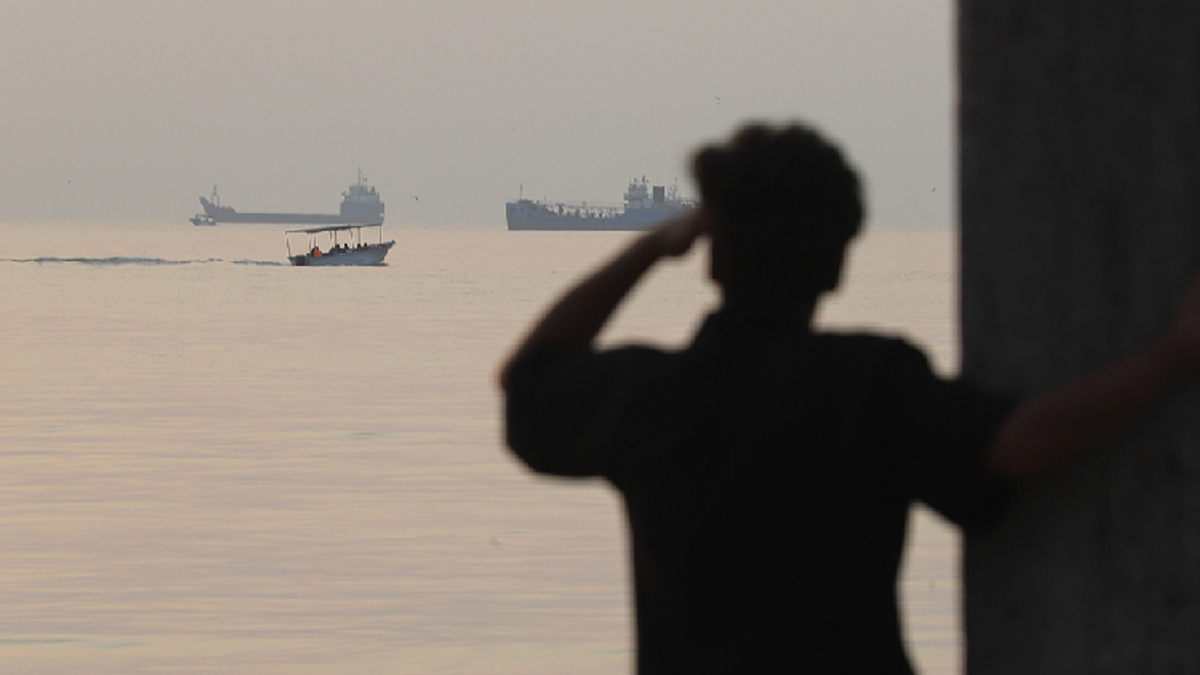
The United States and Iran entered a new round of brinkmanship in early November 2026, just as US midterm elections began. Tehran demanded the reopening of the Strait of Hormuz within two days, citing a seven‑point plan it had offered in September. Washington responded with a series of low‑profile drone strikes on Qeshm Island and intercepted Iranian drones, while President Donald Trump publicly said he was "in no rush" to decide on a larger attack. Regional actors – Qatar, Egypt, the Gulf Cooperation Council and Pakistan – dispatched diplomatic teams to Tehran and Washington, but no breakthrough emerged. Inside the US, senior officials split between a diplomatic track, a renewed military option, and a pressure‑only stance, reflecting the political calculus of an upcoming election.
- Domestic political survival – Midterm elections force US candidates to adopt hard‑line rhetoric on Iran, rewarding hawkish voices in Congress. President Trump, despite his non‑traditional campaign, leverages the Iran question to signal strength to his base, while Vice President JD Vance and envoy Steve Witkoff push for a negotiated settlement to avoid electoral backlash.
- Economic leverage – Treasury Secretary Scott Bessent and the CIA keep sanctions on Iranian oil and banking networks, hoping to squeeze Tehran into compliance without overt war. The threat of a full‑scale strike, however, remains a bargaining chip that can be deployed once the electoral calendar clears.
- Iranian strategic calculus – The Islamic Revolutionary Guard Corps (IRGC) frames any US aggression as an existential threat, using the promise of “no geographical limitations” to rally domestic support and deter internal dissent. By shortening its implementation timeline, Tehran signals flexibility while maintaining leverage.
- Regional mediation dynamics – Qatar’s shuttle diplomacy, coordinated with Pakistan and the GCC, aims to preserve trade flows through the Hormuz corridor, which underpins Gulf economies. Egypt’s involvement reflects its broader ambition to act as a stabilizing Arab power, while also safeguarding its own energy imports.
- Alliance math – Israel’s Prime Minister Benjamin Netanyahu pushes for renewed US strikes, aligning with Secretary of Defense Pete Hegseth’s hardline stance. This creates tension within the NATO‑US partnership, as European allies fear escalation could disrupt energy markets and trigger refugee flows.
The Strait of Hormuz carries roughly 20% of the world’s oil. Even brief closures spike freight rates, raise gasoline prices in Europe and Asia, and squeeze household budgets. Dockworkers in Oman, the UAE and Saudi Arabia face overtime, safety risks, and the specter of accidental clashes.
Iranian fishermen near Qeshm Island report damaged boats and lost catches after the US drone attacks. Hospitals in Bandar Abbas see a rise in trauma cases, while sanctions limit access to medical imports, worsening public health outcomes.
Millions of South Asian workers live in the Gulf’s construction and service sectors. Heightened security alerts can trigger travel bans, delayed wages, and forced repatriations, leaving families in Bangladesh, Pakistan and India financially vulnerable.
The threat of a larger strike revives anxiety among service members stationed in the Middle East. Deployments to forward bases in Qatar and Bahrain increase, straining family cohesion and mental‑health resources.
- Secret strike narrative – The US government downplays the recent drone raids, presenting them as “limited” to avoid signaling a return to full‑scale war. Media coverage often mirrors official language, obscuring the fact that these attacks were part of a coordinated covert campaign.
- Iran’s internal power play – While Tehran publicly emphasizes national sovereignty, the IRGC uses the standoff to consolidate control over the economy and suppress reformist factions. The reduction of the seven‑day plan to two days is as much a show of strength as a diplomatic gesture.
- Regional economic motives – Gulf states publicly champion mediation, yet they also benefit from keeping the Hormuz lane open for oil exports. Their quiet lobbying for a US‑backed security umbrella in the Gulf receives little press attention.
- Electoral distraction – US campaign ads and talk‑show pundits frame Iran as a monolithic threat, sidelining nuanced debate about sanctions, nuclear negotiations, and the long‑term costs of perpetual militarization.
- Information asymmetry – Social media platforms amplify Trump’s statements on Truth Social, while Iranian officials use X to broadcast demands. Independent journalists struggle to verify on‑the‑ground impacts, leaving the public with a fragmented picture.
- Midterm outcomes – A shift in congressional composition could tilt the US approach toward either heightened pressure or renewed diplomacy. Watch the Senate Foreign Relations Committee hearings for clues.
- Qatar‑mediated proposals – Any concrete draft emerging from Doha’s talks will likely be leaked to regional news outlets before official statements, offering a glimpse of compromise points.
- Oil market signals – Futures contracts on Brent and WTI will react to any indication of a larger US strike. Sudden price spikes may precede diplomatic moves.
- Iranian military posture – Satellite imagery of IRGC air‑defense installations on Qeshm and the Persian Gulf will reveal whether Tehran is preparing for escalation or de‑escalation.
- Public opinion polls – Surveys in the US and Gulf states measuring support for military action versus negotiation will shape political calculations in the weeks after the elections.
Stay alert to these indicators; they will determine whether the Strait of Hormuz remains a chokepoint of global commerce or becomes a flashpoint for a broader conflict.
Iran demands the immediate lifting of US sanctions, a guarantee against Israeli attacks, the release of Iranian prisoners, a halt to US drone strikes, recognition of its regional role, a commitment to resume the nuclear talks, and a security arrangement that protects Iranian shipping.
Election outcomes will influence congressional support for military action or diplomatic pressure. A more hawkish House may push for a larger strike, while a balanced Senate could favor continued sanctions and back‑channel talks.
Countries like Qatar and Egypt are hosting talks, relaying proposals, and trying to keep the Hormuz lane open for oil exports, while quietly safeguarding their own economic interests.
Editor's Note: Analysis based on publicly available reports; some diplomatic details remain unconfirmed.
Source referenced: CGTN
This brief was synthesized by our Editorial Engine and reviewed by The Ground Narrative team.