TRENDING

Friday, 6 November 2026
----------------------
26 Jumada Al-Awwal 1448 AH
Russia has placed the assets of Japan Tobacco International (JTI) under temporary state administration, a direct retaliation for Japan's participation in Western sanctions and its support for Ukraine. This move signals a new phase in economic warfare, where corporate assets become geopolitical pawns.
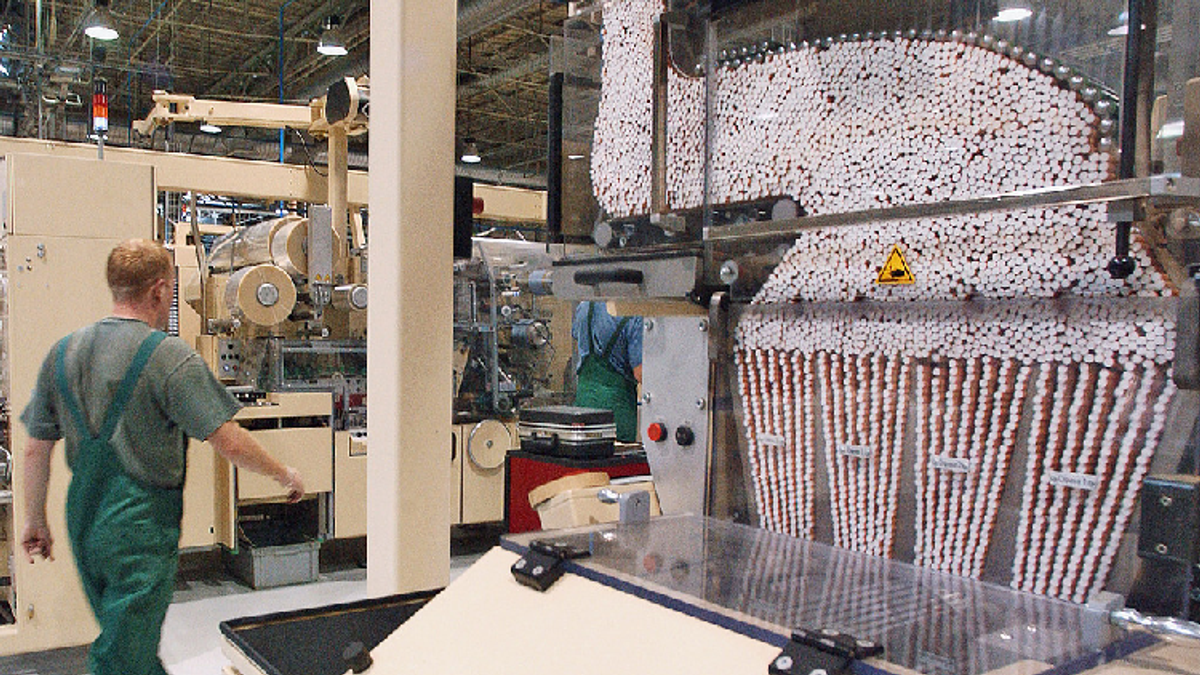
Russian President Vladimir Putin signed a decree placing the Russian assets of Japan Tobacco International (JTI) under temporary state administration. This action transfers equity stakes linked to JTI's production operations in Russia to the management of Russian company Industrial Assets. JTI, a major global tobacco producer, has operated in Russia since 1999 and established itself as the country's top tobacco manufacturer, producing international brands like Winston and Camel, alongside domestic Russian brands.
This decree follows a broader mechanism established in April 2023, allowing Russia to place assets owned by entities from countries designated as "unfriendly" under temporary administration. The move is explicitly framed by the Kremlin as a countermeasure against the freezing or seizure of Russian state assets abroad, particularly citing the approximately €210 billion in Russian sovereign assets frozen in Europe following the Ukraine conflict. The seizure is also a direct response to Japan's increasing support for Ukraine, including recent drone sales, and its alignment with Western economic sanctions against Moscow.
This asset seizure is a clear demonstration of Russia's willingness to leverage its sovereign power over foreign investments within its borders as a tool of geopolitical retaliation. By targeting a prominent Japanese company, Moscow sends a multi-layered message. First, it directly punishes Japan for its participation in Western-led sanctions and its recent military support for Ukraine, which included Japanese company Terra Drone delivering interceptor drones to Kyiv. This move signals that economic participation in Russia comes with political risks for countries deemed hostile.
Second, it serves as a tit-for-tat response to the freezing of Russian assets by Western nations. The Kremlin views these seizures not as expropriation, but as a reciprocal measure, attempting to establish a new norm in international economic relations where asset freezes can trigger equivalent actions. This creates a dangerous precedent, blurring the lines between legitimate international law and retaliatory economic warfare. The choice of JTI, a consumer-facing giant, ensures the message resonates widely, both domestically and internationally.
Finally, the action against JTI is not isolated. It follows similar moves against Swiss food giant Nestle, German wholesaler Metro AG, and French retailer Auchan, indicating a systematic approach to asserting control over foreign enterprises from
Source referenced: CGTN
This brief was synthesized by our Editorial Engine and reviewed by The Ground Narrative team.