TRENDING

Thursday, 17 September 2026
----------------------
6 Rabi' Al-Thani 1448 AH
French fishermen blocked ports over soaring fuel prices, adding pressure to a minority government scrambling to pass a 2027 budget before elections. The protest reveals how energy costs, political fragmentation, and rural livelihoods intersect in Paris’s fiscal tightrope.
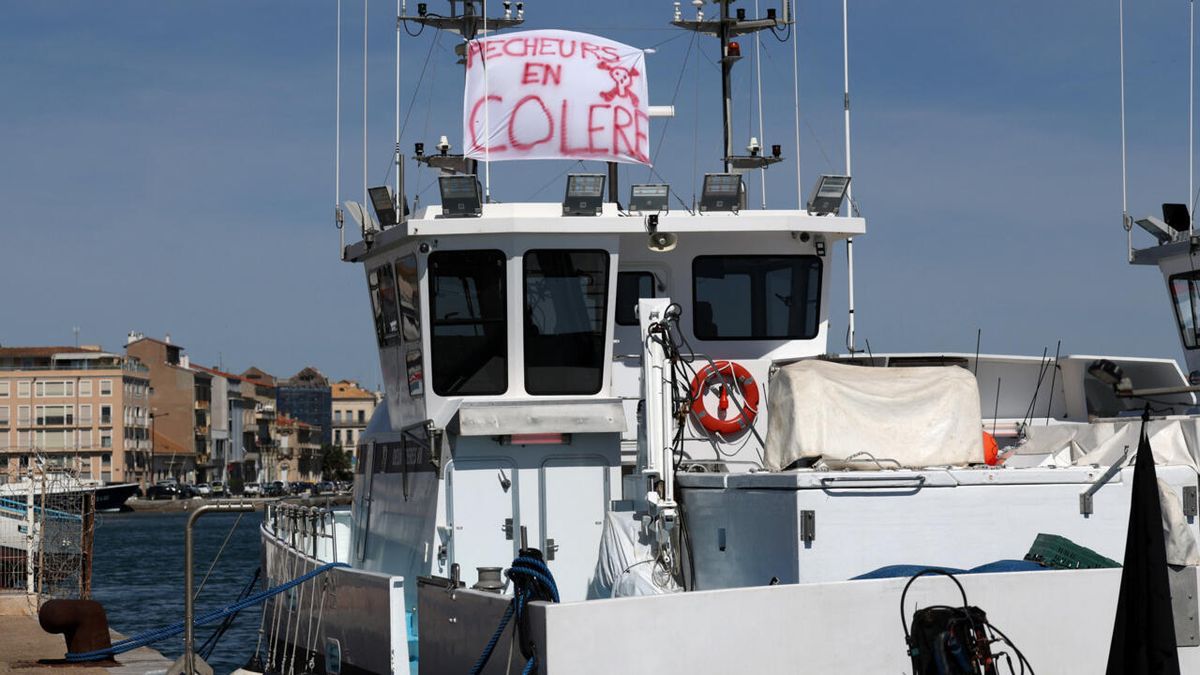
On September 17, 2026, fishing vessels in Nice and several smaller Mediterranean ports halted access to oil depots and harbor facilities to protest record‑high diesel prices. The blockade was part of a broader wave of labor unrest that has swept France this week, from power‑sector workers to police officers, all demanding higher pay or relief from fuel costs. Prime Minister Sébastien Lecornu responded by extending emergency fuel subsidies for agriculture, fishing, and construction until year‑end, while President Emmanuel Macron convened a rare meeting of party chiefs to discuss the fallout from Middle‑East tensions on energy markets.
The protest sits at the intersection of three structural forces. First, energy markets: Europe’s reliance on imported gas and oil makes domestic fuel prices highly sensitive to geopolitical shocks in the Middle East and Ukraine, driving up costs for energy‑intensive sectors like fishing. Second, fiscal politics: France’s minority government must craft a 2027 budget that satisfies a fragmented parliament—socialists, centrists, and the far‑right National Rally (RN)—while keeping borrowing costs down after a bond‑market sell‑off that pushed yields to 2008 levels. Missing the deficit target forces the cabinet to consider spending cuts or tax hikes, both politically toxic. Third, electoral calculus: With presidential and parliamentary elections slated for 2027, parties are weaponising cost‑of‑living grievances. The RN, now the largest party in the lower house, threatens to vote against any budget that does not raise pensions in line with inflation, positioning itself as the defender of “ordinary” French citizens against elite austerity.
The fishermen’s blockade is a visible symptom of a deeper rural squeeze. Small‑scale fishers, many of whom own a single boat, see profit margins evaporate as diesel climbs past €2 per litre. Without subsidies, many risk abandoning their trade, which would ripple through coastal economies that depend on fresh‑catch markets, tourism, and ancillary services such as boat maintenance and local processing plants. In Nice, families already coping with rising housing costs now face the prospect of reduced incomes and increased food prices, as seafood— a staple for many Mediterranean diets—becomes more expensive. The protest also highlights the gendered dimension of the crisis: women who manage household budgets feel the pinch of higher fuel and food costs most acutely, while men in the fleet confront the existential threat to their livelihoods.
Official statements focus on “temporary subsidies” and “energy market volatility,” but they downplay the structural dependence on fossil fuels that leaves sectors like fishing vulnerable to external price shocks. The government’s narrative omits the long‑term climate policy gap: while France pushes for greener maritime practices, it has not provided a clear transition pathway or financing for low‑emission vessels, leaving fishers trapped between rising costs and environmental mandates. Moreover, the political discourse sidesteps the regional disparity between affluent coastal cities and inland constituencies, where voters may be less sympathetic to maritime grievances yet influence national budget votes. Finally, the RN’s opposition to pension reforms is framed as a principled stand, but the party also stands to gain electoral capital by positioning itself as the sole champion of “working‑class” interests, a narrative that obscures its broader nationalist agenda.
Watch how the budget debate evolves in the coming weeks: any concession on fuel subsidies or pension indexing will signal which coalition partners the government can appease. A failure to pass a budget could trigger a vote of no confidence, potentially toppling the minority cabinet before the election cycle. Parallel to parliamentary negotiations, monitor energy policy shifts—particularly any acceleration of EU‑wide fuel tax reforms or subsidies for alternative marine fuels—as these will directly affect the cost base of the fishing sector. Finally, keep an eye on local electoral dynamics in coastal constituencies; a surge in RN or left‑wing support could reshape the political map ahead of the 2027 presidential race, turning the fishermen’s protest from a regional flashpoint into a national bargaining chip.
Source referenced: FRANCE24
This brief was synthesized by our Editorial Engine and reviewed by The Ground Narrative team.


