TRENDING

Friday, 18 September 2026
----------------------
7 Rabi' Al-Thani 1448 AH
Ukraine plans to allocate two‑thirds of its 2027 budget to defence, leaning heavily on foreign aid while postponing essential services. The move reshapes power balances at home and abroad, with ordinary Ukrainians bearing the brunt.
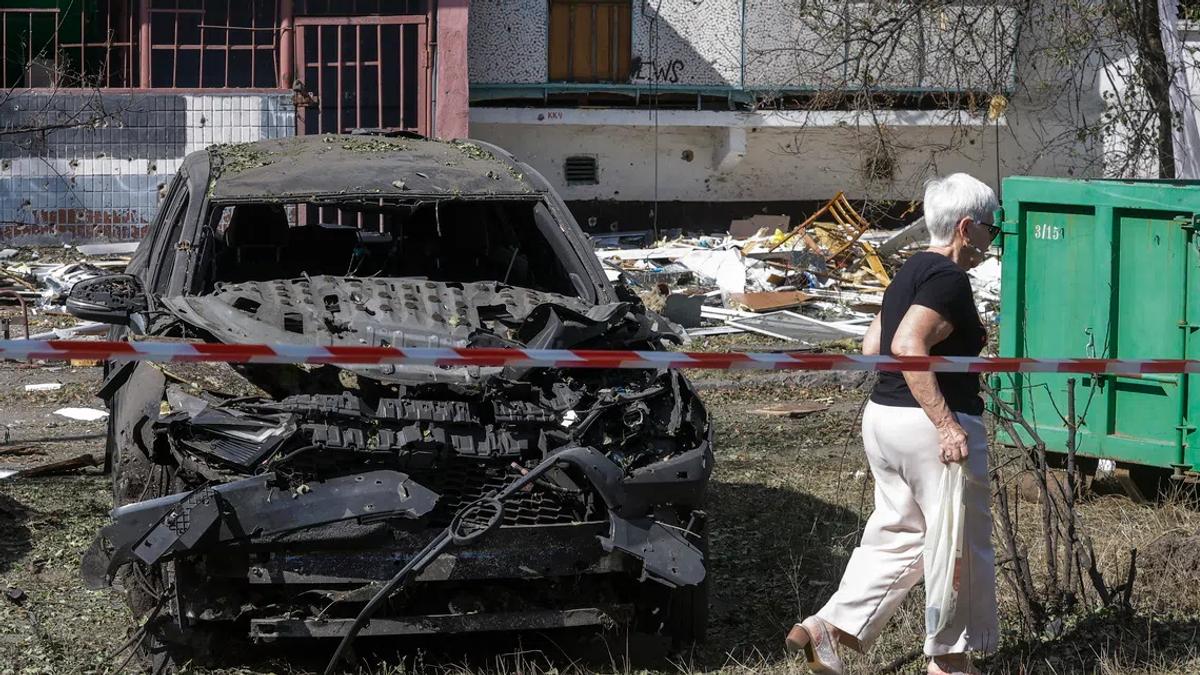
Ukraine’s finance ministry released a draft budget for 2027 that earmarks 4.9 trillion hryvnia—about 44 % of GDP—for defence and security. The plan seeks an additional US$53 billion in foreign financing and includes a proposed tax on parcels sent from abroad. Energy‑system upgrades for the winter have been delayed due to the funding squeeze.
The budget reflects a stark shift from pre‑war fiscal norms. With the war consuming a growing share of state revenue, Kyiv leans on a triad of external levers: direct military aid, IMF/World Bank financing, and political concessions to donors. The $200 billion already funneled into Ukraine since 2022 has kept the defence machine running, but it also creates a dependency that shapes policy choices. Zelensky’s call for “unpleasant and unpopular” measures signals a political survival calculus—maintaining frontline capability at the cost of domestic legitimacy.
Comparatively, Russia’s projected 2027 defence outlay of 13.6 trillion rubles (≈30 % of its budget) underscores a relative fiscal asymmetry. While Moscow can tap deep reserves and a larger tax base, Kyiv must constantly re‑sell the war to keep foreign wallets open. This dynamic fuels a donor‑driven agenda: aid packages increasingly tie assistance to governance reforms, anti‑corruption benchmarks, and strategic alignment with NATO priorities.
Ordinary Ukrainians feel the squeeze in three concrete ways. First, the postponement of winter energy upgrades threatens heating reliability for millions, especially in the east where infrastructure was already scarred by shelling. Second, the tax on foreign parcels—a measure aimed at capturing revenue from the diaspora’s remittances—will raise the cost of essential goods, from medicine to school supplies, for households already coping with inflation. Third, the wage share for soldiers (about a third of the defence budget) diverts funds from public services such as health, education, and social pensions, widening the gap between the frontlines and the home front.
These pressures compound a psychological toll: citizens who once rallied around a defensive narrative now confront daily trade‑offs between survival and national security. The budget’s scale also signals a long‑term militarisation of the state, potentially normalising a war‑economy mindset that reshapes civilian‑military relations for years to come.
Official statements highlight resilience, but they downplay the fiscal cliff looming beyond 2027. The reliance on $53 billion of new aid assumes donor appetite will remain unabated, ignoring signs of fatigue in Western capitals grappling with their own budget constraints. Moreover, IMF and World Bank financing often carries structural adjustment conditions—tightening fiscal rules, privatisation pressures, and austerity measures—that could erode public services further.
Another hidden layer is the political leverage gained by donors. By tying aid to reforms, Western governments gain informal veto power over Ukraine’s domestic agenda, from anti‑corruption prosecutions to media freedoms. This external influence is rarely foregrounded in Kyiv’s messaging, which frames the budget as a sovereign response to Russian aggression.
Finally, the long‑term debt burden remains opaque. Ukraine’s cumulative borrowing, now exceeding $300 billion when accounting for all aid and loans, will require a repayment strategy that could involve future tax hikes, asset sales, or reduced social spending—outcomes that will be felt long after the frontlines quiet.
Watch for parliamentary debate on the parcel tax and any accompanying fiscal reforms; the vote will signal how much political capital Zelensky can expend before public backlash intensifies. Monitor IMF staff‑level agreements slated for early 2028—conditionalities there will shape Ukraine’s macro‑economic trajectory. Keep an eye on donor pledges at upcoming NATO summits; any scaling back could force Kyiv to re‑prioritise, possibly curbing weapon purchases in favour of civilian reconstruction.
Equally critical is the regional spillover: a prolonged war‑economy may push neighbouring economies—Poland, Romania, Moldova—into deeper fiscal entanglement as they absorb refugees and trade disruptions. Finally, the energy‑system delay could become a flashpoint in winter, turning a budgetary decision into a humanitarian crisis that reshapes public opinion on the war itself.
In sum, Ukraine’s record defence budget is a powerful lever that sustains the fight but also reconfigures the nation’s fiscal landscape, external dependencies, and everyday lived reality. The next months will reveal whether the balance tilts toward sustained resistance or fiscal exhaustion.
Editor's Note: All figures are based on the cited government draft and publicly available aid data.
Source referenced: STRAITSTIMES
This brief was synthesized by our Editorial Engine and reviewed by The Ground Narrative team.


