TRENDING

Friday, 18 September 2026
----------------------
7 Rabi' Al-Thani 1448 AH
Russian couples are traveling to Brazil to give birth, securing Brazilian citizenship for their children and creating a niche market for local services. The trend reveals shifting power calculations amid Western visa tightening and Brazil’s open‑access health system.
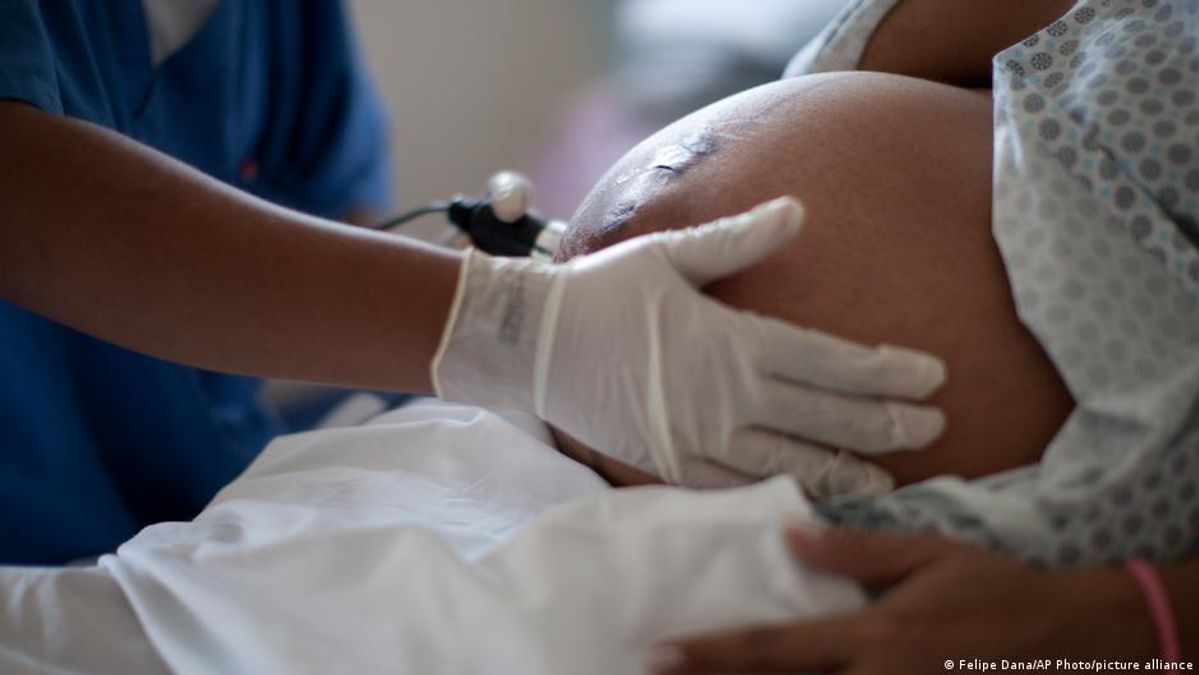
Russian citizens, many fleeing tighter European visa regimes after the 2022 invasion of Ukraine, have begun traveling to Brazil to give birth. A Brazilian child automatically receives citizenship, granting visa‑free travel to most countries. Families like Yulia and Dmitri spend roughly €10,000 on medical care and logistics, while a growing network of intermediaries offers housing, legal help, and Portuguese lessons. In 2024 Brazil issued about 500 passports to Russians; the number rose to over 600 in 2025, with women comprising the majority.
The surge rests on three intersecting incentives. First, passport arbitrage: a Brazilian passport circumvents costly Schengen visas, expanding personal and professional mobility for Russian elites and digital nomads. Second, Brazil’s public‑health model—free hospital care regardless of residency—lowers the financial barrier for foreign pregnant women, turning the health system into an inadvertent export service. Third, geopolitical pressure: Western states have hardened visa policies for Russians, pushing them toward jurisdictions with looser entry rules. Brazil, eager to attract foreign investment and tourism, tolerates the practice, while quietly tightening documentation checks in cities with sizable Russian communities to avoid abuse of residency pathways.
The families bear the immediate costs. Pregnant women endure long flights, language barriers, and the stress of navigating a foreign medical bureaucracy. Their children grow up with dual identities, often never meeting their Russian relatives who remain in Moscow. Local Brazilian residents in cities like Florianópolis experience rising housing prices as short‑term rentals cater to birth‑tourism clients. Health workers face increased workloads in public hospitals, stretching resources that could otherwise serve Brazilian patients. Moreover, the informal “intermediary” industry profits from vulnerable newcomers, charging thousands for services that are technically free under Brazilian law.
Brazilian authorities publicly claim no systematic denial of entry, yet police have begun demanding more proof of residence and financial means, hinting at a covert regulatory response. Meanwhile, Russian state media downplays the exodus, framing it as individual choice rather than a symptom of international isolation. Western governments, while tightening visas, rarely acknowledge that their policies indirectly fuel Brazil’s birth‑tourism market, shifting the burden onto a third country’s public services. The narrative of “seeking a better future” masks a power shift where Brazil becomes a low‑cost gateway for Russian elites to sidestep Western restrictions.
Watch for policy tweaks in Brazil’s immigration law: stricter residency requirements could curtail the passport‑selling pipeline. European Union discussions on coordinated visa bans for Russian nationals may push more families toward Latin America, expanding the market further. In Russia, any relaxation of travel restrictions or new bilateral agreements with Brazil could formalize the flow, turning an informal practice into a diplomatic channel. Finally, local Brazilian political debates over health‑system funding may bring birth‑tourism into the broader conversation about foreign‑born citizens and resource allocation.
Editor's Note: All data drawn from the DW report; exact numbers may evolve as Brazil updates its immigration statistics.
Source referenced: DW
This brief was synthesized by our Editorial Engine and reviewed by The Ground Narrative team.


