TRENDING

Thursday, 17 September 2026
----------------------
6 Rabi' Al-Thani 1448 AH
A sudden 40% diesel and 28% petrol price surge sparked protests across Syria, exposing the fragile post‑war economy and the regime’s reliance on volatile oil imports.
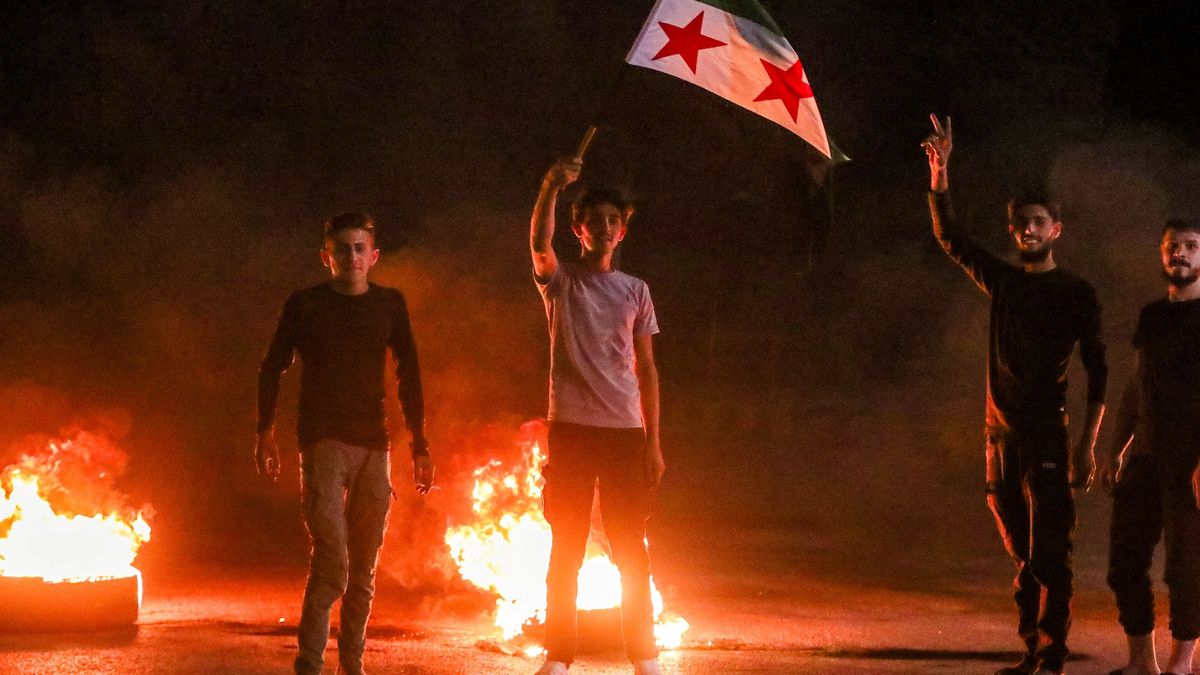
On September 14, 2026 the Syrian government announced an overnight increase in diesel prices by 40% and petrol by 28%. Within hours streets in Aleppo, Idlib, Hama and Deraa filled with demonstrators blocking the Damascus‑Aleppo highway, burning tyres and demanding a reversal. The surge follows a series of hikes since February that have more than doubled diesel costs and lifted 95‑octane petrol by roughly 86%.
The decree is a textbook case of a regime juggling three intersecting pressures. First, sanctions relief after the fall of Bashar al‑Assad’s government in December 2024 has opened limited channels for oil imports, but the country still imports about 60% of its diesel, making it vulnerable to global price swings. Second, the U.S.–Israel war on Iran has pushed Brent crude up 44% since early 2026, inflating the cost of every barrel Syria must buy. Third, the new leadership, still consolidating power, faces a legitimacy gap; by raising fuel taxes it can signal fiscal responsibility to international donors while shifting the immediate pain onto ordinary Syrians, a politically cheaper option than subsidising a collapsing budget. The Ministry of Energy frames the hikes as “temporary,” buying time to negotiate bulk contracts and to avoid a fiscal breach that could jeopardise the nascent reconstruction aid flow.
The human toll is immediate and layered. Minibus drivers like Adel Ali Meree see daily earnings evaporate; a shift that once netted $10 now leaves him with barely $4.5 after fuel. Tour operators such as Bashar Sleiman must raise ticket prices by at least $15 to cover a $36 jump in diesel costs, threatening the fragile tourism revival. Cross‑border carriers on the Idlib‑Beirut route now spend $280 on diesel per round‑trip, yet keep fares at $40, eroding profit margins. Market vendors like Ahmed Obeid watch freight charges triple from $4 to $12, a cost that inevitably passes to shoppers already living below the poverty line—UN estimates place 90% of Syrians in that bracket. The black market for diesel has exploded, but accessing it carries the risk of seizure by security forces, adding another layer of insecurity for already cash‑strapped households.
Official statements stress “temporary” price spikes and blame “high international fuel costs.” What is omitted is the strategic calculus of the Assad‑aligned regime: by allowing fuel prices to soar, the government can test the limits of public tolerance without confronting the deeper issue of a crippled energy infrastructure. The black‑market boom also creates a parallel revenue stream for militias and security units that intercept unlicensed tankers, reinforcing patron‑client networks that underpin the regime’s grip on power. Moreover, the external actors—Russia’s oil companies and Iranian financiers—stand to profit from higher contract prices, yet their role is rarely mentioned in state briefings. Finally, the postponement of the People’s Assembly hearing on the hikes signals a political avoidance of accountability, keeping the debate out of the public arena while the regime consolidates its fiscal narrative.
Watch for three converging signals. First, subsidy adjustments: if the government introduces targeted fuel vouchers, it may temporarily quell unrest but deepen fiscal strain. Second, the expansion of the diesel black market could trigger a crackdown that escalates clashes between security forces and civilian transport operators. Third, regional spillover: heightened transport costs on cross‑border routes may pressure Lebanon and Turkey to renegotiate freight agreements, potentially reshaping trade corridors in the Levant. Monitoring the People’s Assembly session slated for September 20 will reveal whether the regime will offer any legislative remedy or simply defer the issue, a decision that will shape the trajectory of Syria’s fragile post‑war recovery.
Source referenced: ALJAZEERA
This brief was synthesized by our Editorial Engine and reviewed by The Ground Narrative team.


