TRENDING

Thursday, 17 September 2026
----------------------
6 Rabi' Al-Thani 1448 AH
Red Sea disruptions caused by Houthi attacks are inflating fuel and food prices across Somalia, while piracy fears loom on the Gulf of Aden. The price hikes hit ordinary households hardest, even as regional powers juggle naval commitments.
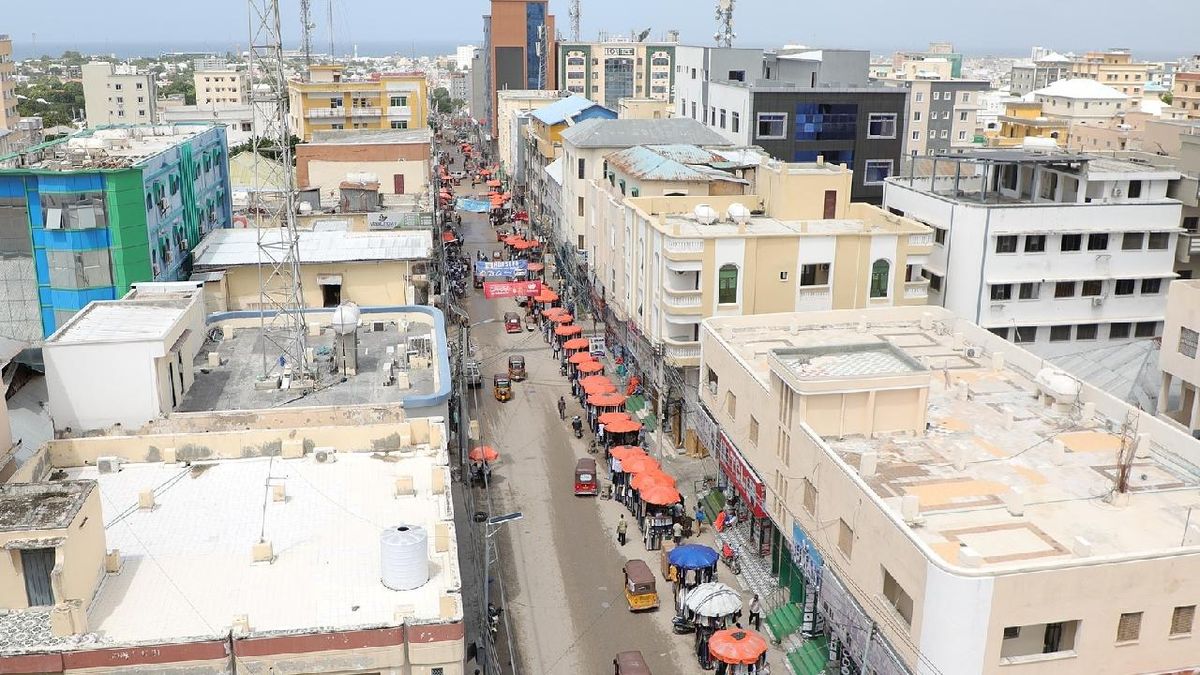
Somalia is grappling with soaring living costs after Houthi missile and drone strikes have choked the Bab al‑Mandab Strait, a key artery for global shipping. A 10‑kilogram cooking‑gas cylinder now costs about $40, up from $25, and diesel has jumped to $1.50 per litre. The price surge is spilling over into food markets, where transport‑linked expenses are pushing staple prices higher. At the same time, a recent pirate seizure of the Cameroon‑flagged MV Lutuf off the northeastern coast, and the subsequent clash that left 14 suspected pirates dead, have revived fears of a piracy resurgence.
The Red Sea bottleneck is a convergence point for several strategic incentives. Houthi militants in Yemen, backed by Iran, use attacks on commercial traffic to pressure the Saudi‑UAE coalition and to extract concessions in the broader Gulf conflict. Their strikes force shipping lines to reroute around the Cape of Good Hope, inflating global freight rates and indirectly raising import costs for landlocked economies like Somalia. Somalia’s government, still rebuilding after decades of civil war, relies on foreign naval assistance—principally from Turkey, the United Arab Emirates, and Western navies—to patrol the Gulf of Aden. These partners must balance resources between the Red Sea, the Horn of Africa, and other flashpoints such as the South China Sea or the Black Sea, creating gaps that pirates can exploit.
Economic incentives also shape the response. Local warlords and clan militias profit from smuggling fuel and illicit goods, and a booming black‑market for gasoline can outpace official tariffs. The Somali parliament’s recent anti‑piracy legislation aims to curb ransom payments, but enforcement hinges on a fragile security apparatus that depends on external funding. Meanwhile, global oil markets react to the shipping slowdown by tightening supply, which feeds back into higher fuel prices that Somali households feel at the pump.
For most Somalis, the abstract geopolitics translate into daily hardship. Rural families, already dependent on charcoal and kerosene, now face a $15 increase for a cooking‑gas cylinder—a sum that can represent a month's income for low‑wage laborers. Urban dwellers in Mogadishu see transport fares climb, squeezing budgets already stretched by unemployment and drought‑related crop failures. Small traders, who rely on imported goods, confront price volatility that erodes profit margins and forces many to close stalls. Women, who traditionally manage household food supplies, spend longer hours queuing for fuel and negotiating with informal vendors, exposing them to harassment and health risks from unsafe fuel substitutes. The specter of renewed piracy also threatens fishermen along the coast, whose catches are essential for local food security, as they risk violent encounters or forced payments to armed groups.
Official statements from the Somali government and its foreign partners emphasize maritime security and anti‑piracy legislation, but they downplay the structural dependency on external naval forces. By framing the issue as a law‑and‑order problem, they sidestep the deeper economic drivers: chronic underinvestment in port infrastructure, lack of transparent customs revenue, and the entanglement of clan politics with smuggling networks. International media also gloss over the environmental toll of increased diesel consumption and the shift to lower‑quality fuel, which exacerbates air pollution in densely populated neighborhoods. Moreover, the narrative that ransom payments “fuel crime” obscures the reality that many ship owners, under pressure from insurers and shareholders, may still opt for quick payouts to protect cargo, perpetuating the piracy cycle.
Watch for naval redeployments as the United States and its allies recalibrate forces amid rising tensions in the Indo‑Pacific; a thinning presence in the Gulf of Aden could embolden pirate outfits. Monitor Somalia’s budget allocations for port upgrades in Berbera and Kismayo—investment here could reduce reliance on illicit fuel channels. Keep an eye on regional diplomatic talks between the Gulf Cooperation Council and the Houthi leadership; any de‑escalation could lower shipping insurance premiums and ease price pressures. Finally, track grassroots fuel cooperatives emerging in Somali towns; their growth may signal a bottom‑up response to state‑level inadequacies, reshaping how energy access is managed in a fragile economy.
Editor's Note: Analysis based on publicly available reports; on‑ground verification limited.
Source referenced: CGTN
This brief was synthesized by our Editorial Engine and reviewed by The Ground Narrative team.