TRENDING

Saturday, 19 September 2026
----------------------
8 Rabi' Al-Thani 1448 AH
The US and Japan have jointly intervened to support the Japanese yen, a move described by President Trump as a 'signal of friendship' that will benefit both the US and the global economy. But what are the underlying power dynamics at play, and who will bear the human cost of this decision?
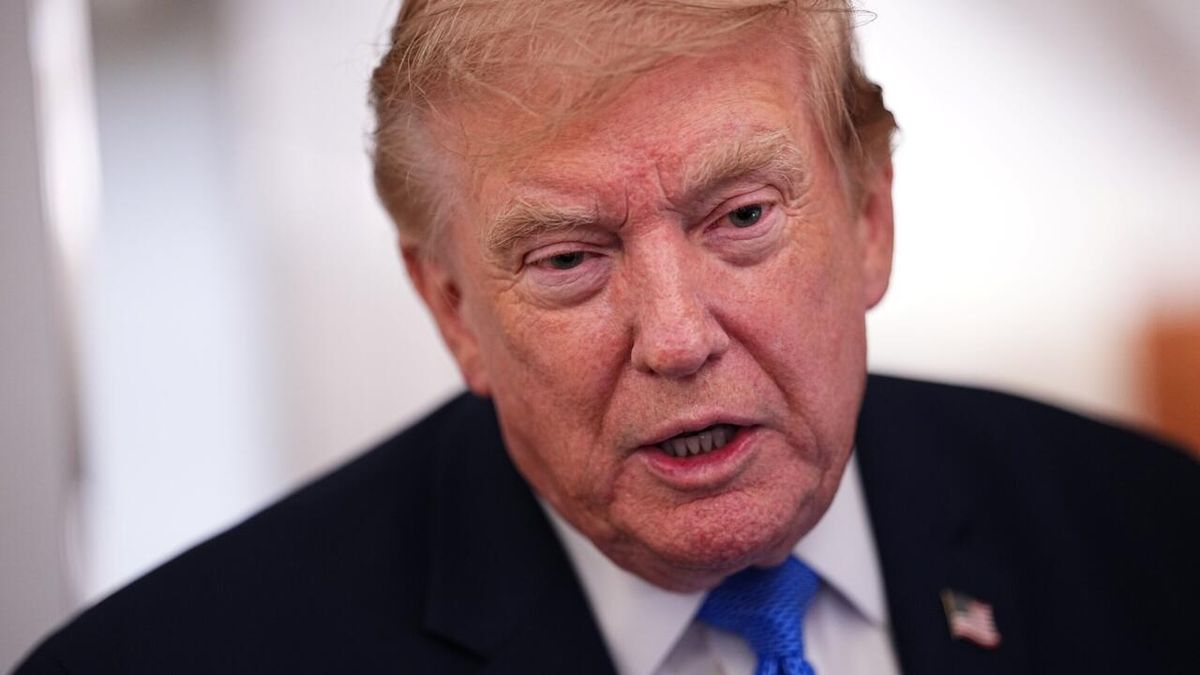
The United States and Japan have engaged in a rare currency intervention, jointly backing the Japanese yen for the first time in nearly three decades. President Trump described the move as a 'signal of friendship' that would financially benefit the US and the world economy. The intervention came after the yen slid to its weakest level since 1986, due to higher US interest rates, rising oil prices, and persistent capital outflows.
The US-Japan currency intervention is a strategic move that reflects the complex power dynamics at play in the global economy. By supporting the yen, the US is signaling its commitment to maintaining a stable economic relationship with Japan, a key ally in the Asia-Pacific region. This move is also likely to benefit US exporters, who will see their products become more competitive in the Japanese market. However, the intervention also raises questions about the potential impact on other currencies, particularly the euro, which was sold by the Federal Reserve Bank of New York to buy yen.
The human cost of the US-Japan currency intervention will be felt by various populations, particularly those in Japan who are already struggling with a weakening economy. The intervention may lead to higher prices for imported goods, which could exacerbate existing economic inequalities. Additionally, the move may also have a negative impact on other countries that rely heavily on exports to Japan, such as China and South Korea. The people who will be most affected by this decision are likely to be those who are already vulnerable, including low-income households, small business owners, and workers in industries that are heavily reliant on international trade.
What is being downplayed by powerful actors is the potential long-term consequences of this intervention. The US-Japan currency intervention may create a moral hazard, where other countries expect similar support from the US in times of economic distress. This could lead to a destabilization of the global economy, as countries become increasingly reliant on US support to prop up their currencies. Furthermore, the intervention may also undermine the independence of the Japanese central bank, which could have significant implications for the country's economic sovereignty.
Readers should watch for the potential impact of the US-Japan currency intervention on other currencies, particularly the euro and the Chinese yuan. They should also monitor the response of other countries, particularly China and South Korea, which may feel threatened by the US-Japan alliance. Additionally, readers should pay attention to the potential long-term consequences of this intervention, including the potential for moral hazard and the erosion of economic sovereignty. As the global economy continues to evolve, it is essential to understand the complex power dynamics at play and the potential human cost of decisions made by powerful actors.
Editor's Note: The analysis is based on publicly available information and may not reflect the full complexity of the situation.
Source referenced: FRANCE24
This brief was synthesized by our Editorial Engine and reviewed by The Ground Narrative team.


