TRENDING

Saturday, 19 September 2026
----------------------
8 Rabi' Al-Thani 1448 AH
A Washington Post report suggests at least 22 U.S. soldiers have died in the Iran conflict, contradicting the Pentagon’s official count of 18. The discrepancy reveals how power, politics, and public perception intersect in wartime reporting.
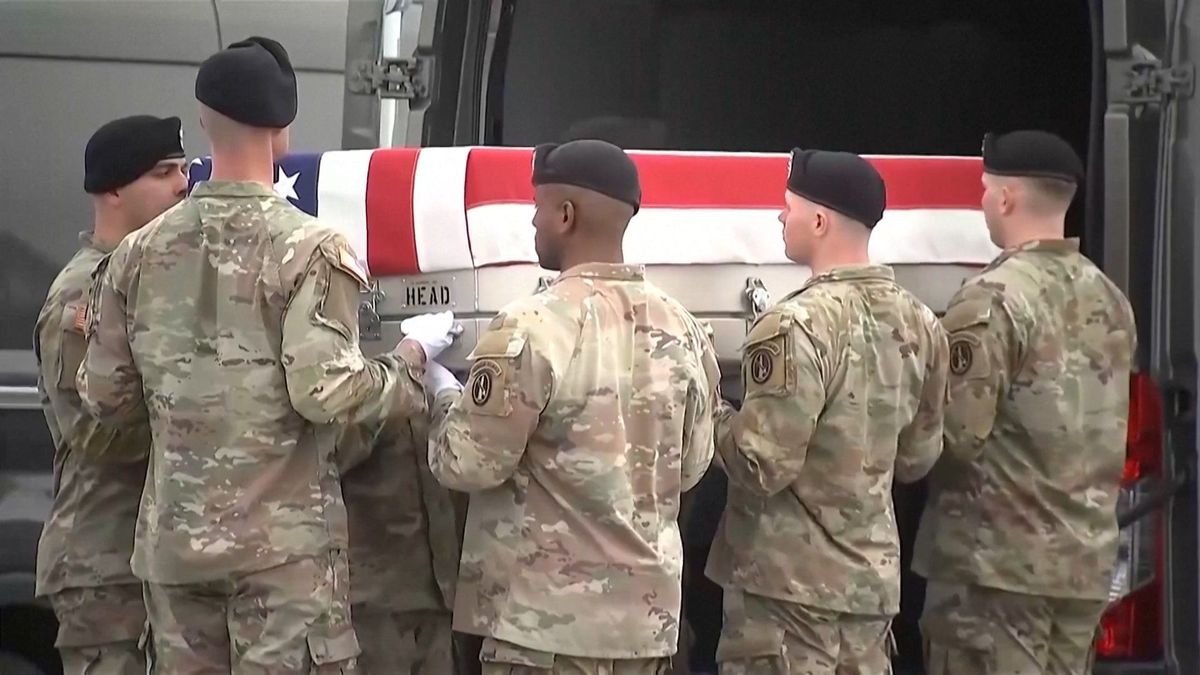
The Pentagon publicly lists 18 U.S. military deaths since the war with Iran began in early 2025. A Washington Post investigation, citing six unnamed Pentagon officials, says the true toll is at least 22, and the agency has offered no explanation for the gap. The claim has been dismissed by some commentators as a "complete lie," but the lack of transparency raises questions about the flow of information from Washington to the public.
Political survival: The Biden administration entered the Iran war with a fragile coalition in Congress. Keeping casualty figures low helps maintain support for continued funding and avoids triggering the War Powers Resolution debates that could force a vote on withdrawal.
Institutional incentives: The Department of Defense’s internal metrics reward “mission success” and downplay setbacks. Reporting higher casualties could trigger internal reviews, affect promotion boards, and invite congressional oversight.
Media framing: By allowing a narrow official narrative, the Pentagon shapes the news cycle, limiting the space for investigative reporting. The rapid dismissal by pundits serves to reinforce the official line before alternative narratives can gain traction.
Alliance calculus: U.S. partners in the region—Saudi Arabia, Israel, and the UAE—monitor American resolve closely. A higher death count could embolden adversaries and weaken deterrence, prompting the Pentagon to manage the narrative carefully.
Budgetary stakes: Defense contractors benefit from sustained operations. A perception of a “contained” conflict justifies continued procurement contracts for weapons systems deployed in Iran, from drones to precision‑strike missiles.
The families of the missing soldiers bear the immediate human cost. Many receive delayed or incomplete notifications, complicating grief rituals and financial planning. Communities near U.S. bases in the Gulf—particularly in Kuwait and Qatar—experience heightened security alerts, curfews, and the psychological strain of living under a conflict that feels distant yet immediate.
In Iran, civilian casualties from U.S. strikes have risen, but the focus on American death counts diverts attention from the humanitarian toll on Iranian neighborhoods, schools, and hospitals. Refugee flows from border provinces have increased, straining neighboring countries' resources and prompting a secondary wave of displacement that receives little media coverage.
U.S. service members stationed in support roles—logistics, intelligence, medical—face heightened risk without the recognition afforded to combat troops, further eroding morale across the ranks.
The Pentagon’s silence on the discrepancy is not merely an oversight; it is a strategic choice. By withholding the full figure, the administration avoids triggering the 10‑day reporting requirement under the National Defense Authorization Act, which would force a public accounting of casualties and could open the door to congressional hearings.
Equally omitted is the budgetary impact of the war’s hidden cost. Extra fatalities often trigger “casualty assistance” funds, diverting money from other defense priorities and inflating the war’s true price tag.
Finally, the narrative downplays the political leverage the Iranian regime gains when U.S. casualties rise. Tehran can portray the conflict as a defensive struggle, rallying domestic support and using the casualty discrepancy to claim U.S. hypocrisy on transparency.
Watch for a Congressional inquiry into the casualty figures. A bipartisan committee could demand a full audit of the Department of Defense’s reporting mechanisms, especially if families of the missing soldiers organize public protests.
Monitor media coverage in the coming weeks. If independent journalists obtain corroborating evidence, the story could break beyond the Washington Post, forcing the Pentagon to adjust its public stance.
Track budget requests for the fiscal year 2027. An increase in funding for Middle‑East operations, especially for unmanned systems, may signal that the war is intensifying despite the official low‑casualty narrative.
Finally, observe regional diplomatic moves. Any shift in Iran’s willingness to negotiate a ceasefire could be influenced by the hidden human cost on both sides, altering the strategic calculus for the United States and its allies.
By pulling back the curtain on the casualty discrepancy, we see how power, politics, and profit intertwine, leaving ordinary families and civilians to shoulder the true price of war.
Editor's Note: Based on publicly available reports; exact casualty figures remain unverified.
Source referenced: ALJAZEERA
This brief was synthesized by our Editorial Engine and reviewed by The Ground Narrative team.