TRENDING

Wednesday, 5 August 2026
----------------------
22 Safar 1448 AH
As the US and Iran engage in a delicate dance over the Strait of Hormuz, the fate of global oil supplies hangs in the balance. With a potential deal on the horizon, the human cost of the conflict is often overlooked. The Ground Narrative examines the power mechanics at play and the untold stories behind the headlines.
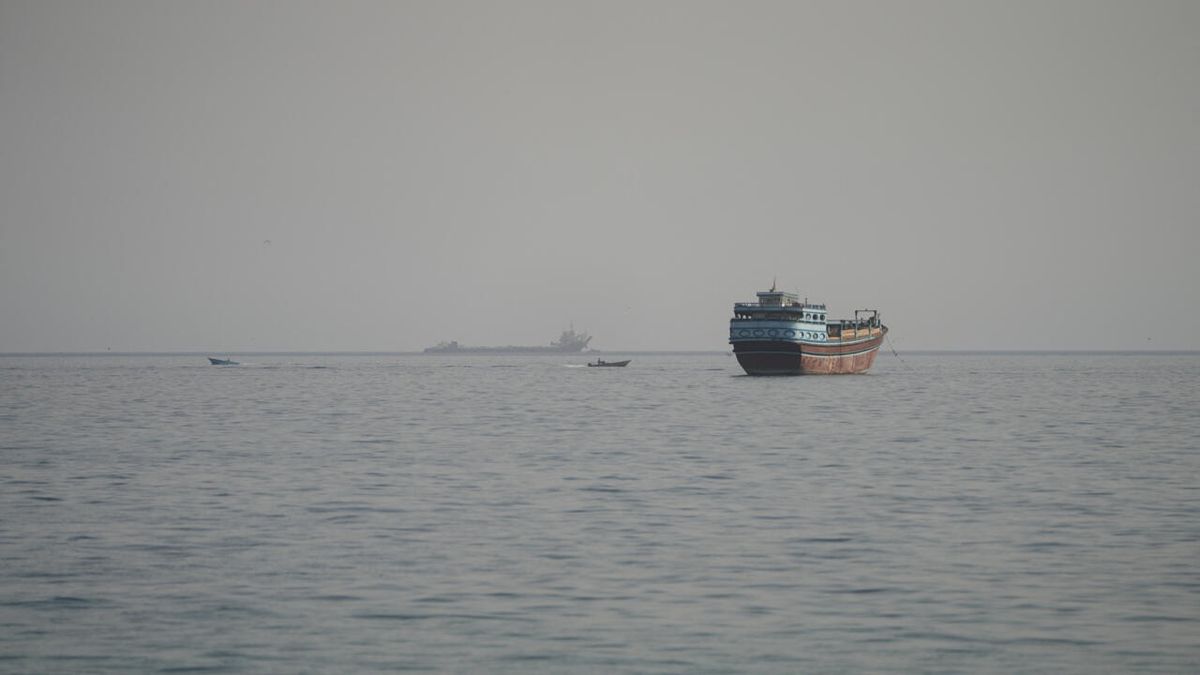
The US and Iran are on the cusp of a potential deal to reopen the Strait of Hormuz, a vital waterway for global oil and gas supplies. A senior Trump administration official has stated that an agreement could be reached as soon as 'today or tomorrow', sparking hopes of a diplomatic breakthrough. Despite Iran's public denials of negotiating with Washington, US Treasury Secretary Scott Bessent has expressed optimism about the prospect of a deal.
The Strait of Hormuz has become a focal point in the conflict between the US and Iran, with both sides vying for control. Iran seeks to charge tolls and exercise control over the strait, a move fiercely opposed by the US. The Trump administration has threatened to hit Iran 'very hard' if a deal is not reached, while also hinting at the possibility of a diplomatic breakthrough. The power dynamics at play are complex, with the US, Iran, and other regional actors like Oman and Qatar playing key roles in the negotiations.
As the conflict over the Strait of Hormuz continues, the human cost is often overlooked. The war between the US and Iran has resulted in significant economic losses, with oil prices plummeting in recent days. The disruptions in Hormuz have also placed greater importance on shipping lanes through the Red Sea, where Iran-backed Houthi rebels have declared a maritime blockade on Saudi Arabia. The attacks on commercial vessels have resulted in crew members going missing, and ships being sunk. The people who bear the human cost of this conflict are often the ones who are not in the room – the sailors, the oil workers, and the ordinary citizens who rely on the stable supply of oil and gas.
One of the untold stories behind the headlines is the role of Oman in mediating negotiations between the US and Iran. While Qatar has been publicly acknowledged as a key player in the talks, Oman's involvement has been less visible. The Sultanate has a long history of diplomatic engagement with both the US and Iran, and its role in facilitating a deal could be crucial. Another aspect of the story that is not being fully reported is the impact of the conflict on the global economy. The war has resulted in significant losses for the US, with the cost of the conflict running into billions of dollars. The human cost of the conflict is also not being fully reported, with the focus primarily on the diplomatic efforts to reach a deal.
As the situation in the Strait of Hormuz continues to unfold, there are several key developments to watch for. The potential deal between the US and Iran could have significant implications for global oil supplies and the regional balance of power. The role of Oman and Qatar in mediating negotiations will be crucial, and any progress in the talks could have a significant impact on the conflict. The human cost of the conflict will also continue to be a major concern, with the potential for further attacks on commercial vessels and the ongoing disruption to shipping lanes. As the situation continues to evolve, it will be essential to keep a close eye on the power mechanics at play and the untold stories behind the headlines.
Editor's Note: The situation in the Strait of Hormuz is highly fluid, and the outcome of the negotiations between the US and Iran is uncertain.
Source referenced: FRANCE24
This brief was synthesized by our Editorial Engine and reviewed by The Ground Narrative team.