TRENDING

Saturday, 19 September 2026
----------------------
8 Rabi' Al-Thani 1448 AH
The US has revoked the visa of Brazil's ambassador, escalating a diplomatic dispute that could have far-reaching consequences for the region. As tensions rise, the people of Brazil and the US are caught in the middle, facing uncertainty and potential economic hardship. The move is seen as a deliberate attempt to influence Brazil's upcoming presidential election, with the US pushing for approval of its nominee for ambassador to Brazil.
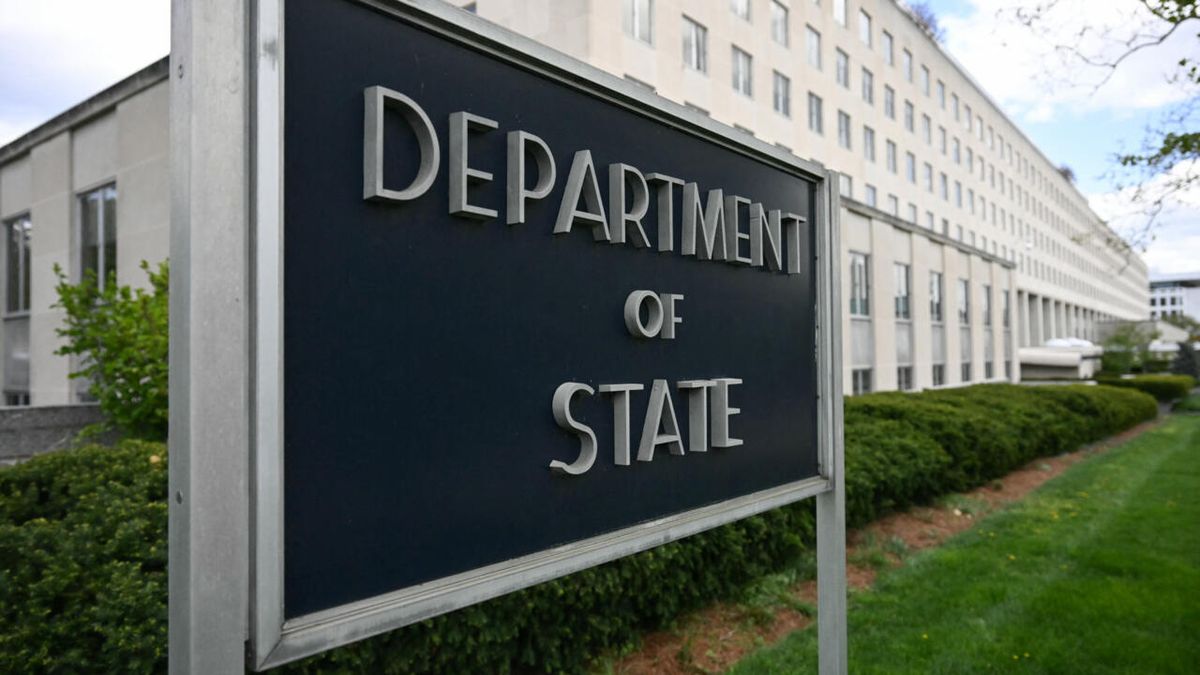
The United States has revoked the visa of Brazil's ambassador, Maria Luiza Ribeiro Viotti, in an escalating diplomatic standoff between the two countries. The move is seen as a response to Brazil's delay in approving the US nominee for ambassador to Brazil, Daniel Perez. The US has stated that the visa revocation will be reversed if Brazil grants approval of the nominee.
The diplomatic dispute between the US and Brazil is rooted in a deeper struggle for influence in the region. The US is seeking to exert its power and shape the outcome of Brazil's upcoming presidential election, which is seen as a crucial moment in the country's history. The US nominee for ambassador, Daniel Perez, is a prominent Florida Republican, and his approval is seen as a key test of Brazil's relationship with the US. The US is using its economic and diplomatic leverage to pressure Brazil into approving the nominee, highlighting the power dynamics at play in the region.
The people of Brazil and the US are bearing the human cost of the diplomatic dispute. The revocation of the ambassador's visa is seen as a symbol of the deteriorating relationship between the two countries, and it has sparked concerns about the potential economic and social consequences. The dispute is also having a direct impact on the lives of individuals, including the two US officials who were denied visas to visit Brazil last month. The people of Brazil are also facing uncertainty and potential economic hardship as the country's presidential election approaches, with the US pushing for a candidate who is seen as more favorable to its interests.
What is being downplayed in the diplomatic dispute is the role of ideology and politics in shaping the relationship between the US and Brazil. The US is seeking to promote its own interests and values in the region, and it is using its diplomatic leverage to influence the outcome of Brazil's presidential election. The dispute is also being fueled by unfounded claims of electoral fraud, which are being promoted by right-wing candidate Flavio Bolsonaro and his supporters. The US is also downplaying the potential consequences of its actions, including the potential for economic hardship and social unrest in Brazil.
As the diplomatic dispute between the US and Brazil continues to escalate, there are several key developments to watch for. The outcome of Brazil's presidential election will be crucial, and the US will likely continue to push for its preferred candidate. The US will also likely continue to use its diplomatic leverage to influence the relationship between the two countries, and there may be further tensions and disputes in the coming months. The people of Brazil and the US will be watching closely, and they will be hoping for a resolution to the dispute that promotes peace, stability, and prosperity in the region.
Editor's Note: The analysis is based on publicly available information, but the situation is complex and evolving. Further developments may shed more light on the motivations and consequences of the diplomatic dispute.
Source referenced: FRANCE24
This brief was synthesized by our Editorial Engine and reviewed by The Ground Narrative team.


