TRENDING

Wednesday, 4 November 2026
----------------------
24 Jumada Al-Awwal 1448 AH
Democrat Sherrod Brown reclaimed an Ohio Senate seat in a $500 million‑plus battle, signaling a shift for labor‑aligned voters. The win also exposes how corporate money and national politics intersect with everyday struggles in the Midwest.
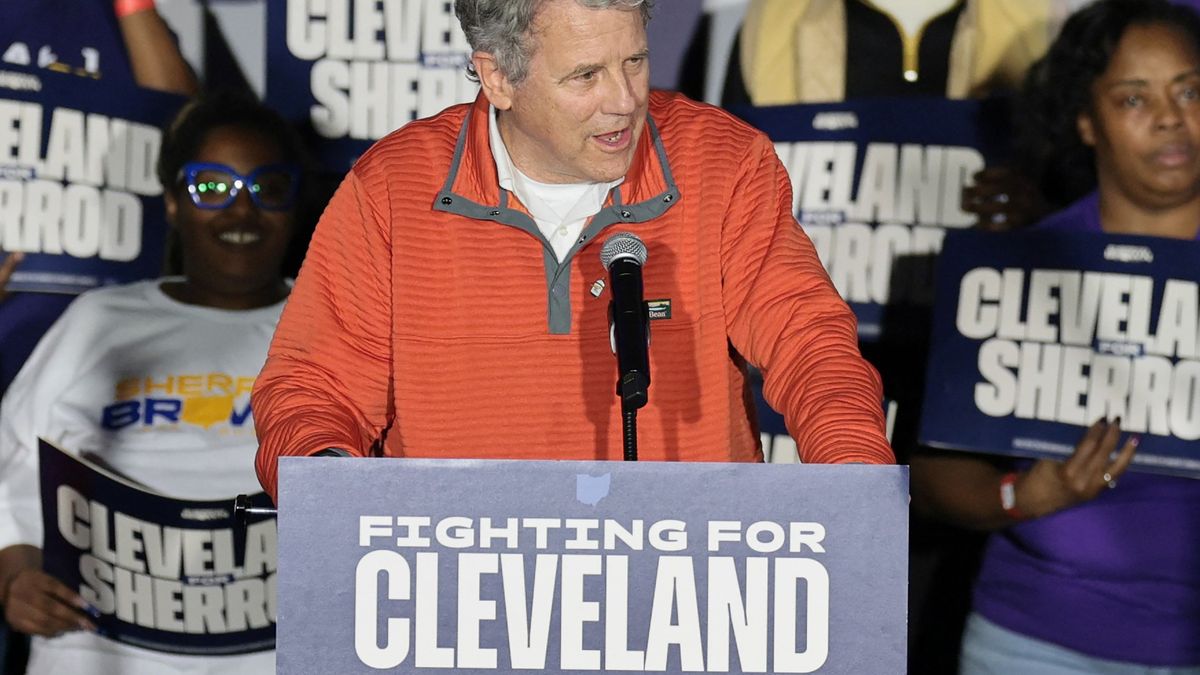
Democrat Sherrod Brown won back an Ohio seat in the U.S. Senate, defeating incumbent Republican Jon Husted in the 2026 midterm elections. The race, the second most expensive of the cycle, saw more than $500 million poured into advertising, much of it from tech firms seeking to block Brown’s return.
The Ohio contest was a micro‑cosm of three overlapping power structures: campaign finance, intra‑party dynamics, and regional economic anxiety. First, the flood of corporate dollars—chiefly from Silicon Valley giants—illustrates how tech firms view Senate seats as gateways to influence federal regulation on data privacy, antitrust, and AI policy. By financing ads that painted Brown as a tax‑and‑trade hawk, these companies hoped to protect their profit margins from a senator known for championing progressive taxation and stricter corporate oversight.
Second, the Republican establishment leaned heavily on Donald Trump’s brand. Husted, appointed in early 2025 after JD Vance vacated the seat, rode a platform of second‑term Trump policies: tax cuts, a renewed Iran conflict, and protectionist tariffs. The party’s calculus was simple—hold the seat to preserve a narrow Senate majority and keep the Trump‑aligned agenda alive.
Third, the Midwest’s cost‑of‑living crisis added a structural layer. Decades of deindustrialization left Ohio’s former manufacturing hubs with stagnant wages and eroding public services. Brown’s campaign framed the election as a referendum on whether federal policy would prioritize labor unions and working‑class relief over corporate tax breaks. By positioning himself as the voice of steelworkers, truck drivers, and rural farmers, Brown tapped into a demographic that feels abandoned by national politics.
The convergence of these forces created a high‑stakes arena where billions of ad impressions were bought not just to win a seat, but to shape the policy environment for the next four years.
In cities like Youngstown and Dayton, families have watched local factories shutter, leaving a generation with limited job prospects. The soaring cost of housing, healthcare, and education has turned everyday budgeting into a survival exercise. Brown’s victory promises renewed federal attention to job‑training programs and infrastructure grants, but the immediate reality for these residents is a continued squeeze while political battles play out in Washington.
Ohio’s agricultural belt faces fluctuating commodity prices and rising input costs. Husted’s support for tariffs on foreign agricultural imports offered short‑term price stability for some, yet also risked retaliatory measures that could hurt export‑dependent farms. Brown’s push for broader trade agreements and climate‑resilient farming subsidies could mitigate long‑term risk, but the transition period may leave farmers vulnerable to market swings.
Union members, who have historically backed Brown, see his win as a validation of collective bargaining power. However, the influx of corporate money into the race underscores a paradox: the very entities that benefit from union labor also bankroll opposition messaging. Union locals must now contend with a political environment where their influence is both amplified and contested.
While campaign finance reports list donors, they rarely reveal the strategic intent behind the spending. Tech firms poured tens of millions into digital ads that emphasized “tax hikes” and “job‑killing regulations,” framing Brown as an economic threat. What remains under‑reported is how these ads were micro‑targeted to swing‑voter precincts, leveraging data analytics to amplify fear of progressive policies. The narrative of a clean, issue‑focused race masks a sophisticated battle for future regulatory leverage.
Both parties have portrayed the Ohio seat as decisive for Senate control, yet internal Republican fractures—particularly between Trump‑aligned hardliners and more traditional fiscal conservatives—suggest a less monolithic bloc. Husted’s defeat may embolden moderate Republicans to distance themselves from extreme policy positions, subtly reshaping the Senate’s voting calculus beyond a simple partisan split.
National outlets have framed the race as a bellwether for the 2028 presidential contest, but they often overlook Ohio’s own legislative battles over Medicaid expansion, public‑school funding, and red‑lining reforms. These state‑level issues directly affect the constituents who turned out for Brown, yet they receive scant attention in the broader narrative, obscuring the local policy levers that could be decisive in the coming years.
The next months will reveal whether Brown can translate campaign promises into legislative action. Key indicators include: the speed of his committee assignments, especially on labor and finance; any bipartisan infrastructure bills that target Ohio’s rust‑belt cities; and the response of tech donors—whether they shift to lobbying or fund grassroots opposition in upcoming state elections. Additionally, watch for shifts in Republican Senate strategy as they grapple with a more moderate caucus post‑Ohio.
The Ohio Senate race is more than a single seat; it is a lens into how money, regional distress, and party identity intersect to shape national policy. Observing how these dynamics play out will help ordinary citizens gauge where real power resides and what it will cost them in the years ahead.
Tech companies feared a **Sherrod Brown** Senate seat could bring stricter antitrust and tax legislation. By funding ads that portrayed him as a tax‑and‑regulation threat, they aimed to protect future profit margins.
Brown promises renewed federal support for infrastructure, job‑training, and union rights, which could ease economic pressure in former industrial towns. However, policy changes will take time, and immediate relief remains limited.
Source referenced: ALJAZEERA
This brief was synthesized by our Editorial Engine and reviewed by The Ground Narrative team.