TRENDING

Wednesday, 4 November 2026
----------------------
24 Jumada Al-Awwal 1448 AH
Australia’s ban on social media for under‑16s has landed in the High Court, pitting child‑protection arguments against constitutional free‑speech claims. The outcome could ripple through global tech regulation.
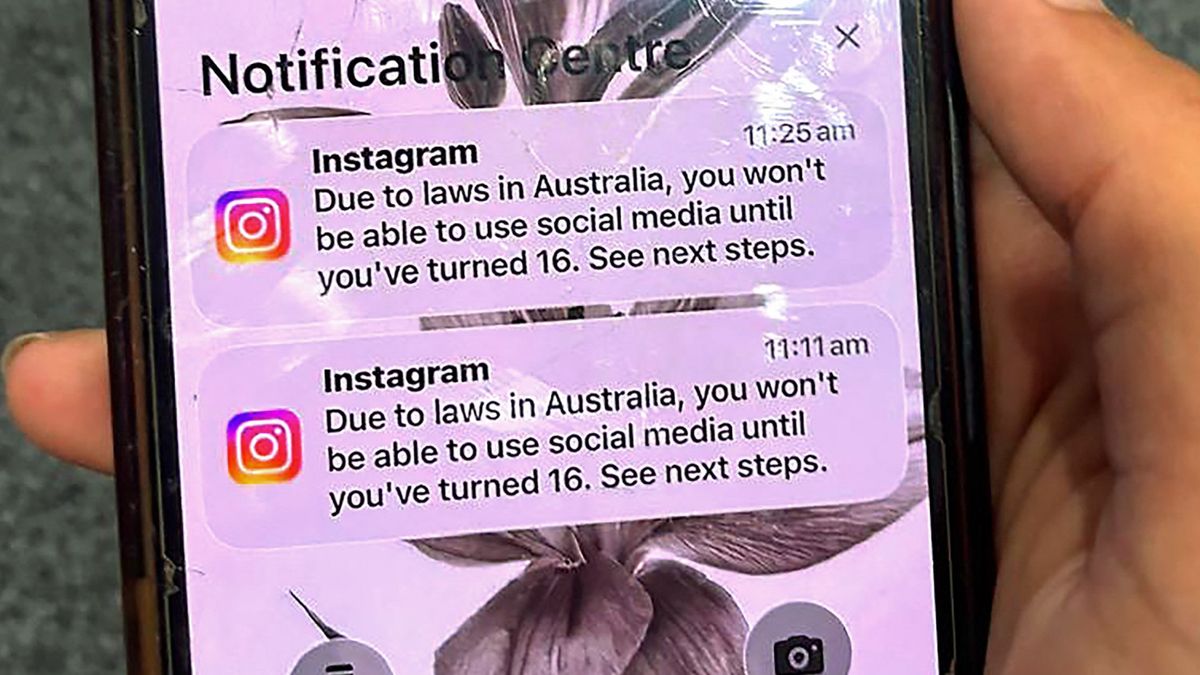
In December 2025, Australia enacted a law that bars anyone under the age of 16 from accessing major social‑media platforms, including Reddit, Facebook, Instagram and YouTube. The measure was defended in the High Court this week after a lawsuit filed by Reddit and the Sydney‑based Digital Freedom Project challenged its constitutionality. While the government cites mental‑health data, the court has yet to rule on whether the ban’s benefits outweigh the implied freedom of political communication.
The ban sits at the intersection of three powerful incentives. First, the Australian government faces mounting electoral pressure after a series of high‑profile suicides among teenagers were linked, in public discourse, to online harassment. Politicians have leveraged the policy to signal decisive action on youth safety, a narrative that resonates with parents and senior voters alike. Second, domestic tech‑policy agencies see the law as a way to assert regulatory sovereignty in a landscape dominated by U.S. platforms; by imposing strict age‑verification and hefty fines—up to 49.5 million Australian dollars—the state signals that it can dictate terms of digital participation. Third, the global tech industry watches closely. While platforms like Reddit argue the ban is over‑broad, they also calculate that a precedent could force similar restrictions in other markets, potentially reshaping revenue models that rely on younger demographics. The legal framing—labeling the restriction as “modest” and “indirect” to political expression—allows the government to sidestep a direct clash with the Constitution while still imposing a de‑facto barrier. Internationally, the move has already nudged France and the United Kingdom to explore comparable age‑limits, creating a nascent coalition of states that could coordinate standards under the guise of child protection.
Even as officials cite depression, anxiety and suicidal ideation as justification, the ban deprives millions of adolescents of a primary venue for peer interaction, identity formation and civic engagement. Rural and remote youths, who often rely on online communities to combat isolation, face heightened loneliness. Moreover, the abrupt removal of accounts can trigger digital trauma, especially when personal histories, friendships and creative outputs vanish without warning.
Families now shoulder the burden of policing workarounds. Many parents lack the technical expertise to enforce age‑verification, leading to a hidden economy of VPN services and fake IDs. The stress of monitoring children’s online activity adds to already stretched household resources, particularly in low‑income households where parental supervision time is limited.
The law forces platforms to invest heavily in age‑verification infrastructure and to audit existing accounts. This translates into hiring more compliance staff, often outsourced to low‑wage call centers, and increasing the workload of content moderators tasked with identifying under‑age users. The financial penalties for non‑compliance—up to 49.5 million Australian dollars—also pressure shareholders, potentially diverting investment from other innovation areas.
Government data claims five million accounts have been closed, yet anecdotal evidence suggests many under‑16s still slip through using workarounds. The real metric—whether rates of teen depression have fallen—is absent from public reports. By focusing on account deletions, officials sidestep a rigorous cost‑benefit analysis that would weigh enforcement expenses against measurable health outcomes.
While Reddit and the Digital Freedom Project are the visible plaintiffs, behind‑the‑scenes lobbying from larger platforms such as Meta and Google has shaped the law’s wording. These firms have pushed for narrower definitions of “reasonable measures,” hoping to preserve ad revenue from older teens while appearing cooperative on child safety. Their influence is rarely disclosed in official statements.
The ban disproportionately harms children from disadvantaged backgrounds who lack alternative avenues for digital learning and socialization. Wealthier families can afford private tutoring, curated extracurriculars, or paid subscriptions to “safe” platforms, whereas poorer youths may be left without any structured online presence, widening the digital divide.
The High Court’s verdict, expected in the coming months, will set a legal benchmark for how far governments can go in restricting digital speech for health reasons. Watch for:
- Any split decision that carves out exceptions for political content, which could create a loophole for activist groups.
- Follow‑up legislation that tightens age‑verification, potentially mandating biometric checks—a step that would raise new privacy concerns.
- International reactions, especially from the EU and the United Kingdom, which may cite the Australian case when drafting their own youth‑protection frameworks.
- Platform responses, including the rollout of alternative “kid‑safe” apps or the acceleration of AI‑driven age‑screening tools.
- Grassroots movements, both for and against the ban, that could influence upcoming elections and reshape public opinion on digital rights.
The coming weeks will reveal whether the ban remains a symbolic gesture or evolves into a durable model for state‑controlled digital spaces. The stakes are not just about teenage screen time; they touch on the balance between public health, constitutional freedoms, and the commercial power of global tech giants.
The challenge claims the ban infringes the implied freedom of political communication in the Australian Constitution, arguing it is disproportionate to the stated health benefits.
Government data released in July reports that about five million social‑media accounts belonging to users under 16 have been removed.
France and the United Kingdom have announced exploratory reviews of comparable bans, citing Australia’s approach as a possible model.
Source referenced: ALJAZEERA
This brief was synthesized by our Editorial Engine and reviewed by The Ground Narrative team.


