TRENDING

Wednesday, 4 November 2026
----------------------
24 Jumada Al-Awwal 1448 AH
Bulgaria heads to a second‑round presidential vote that pits the establishment‑backed Iotova‑Valchev ticket against an anti‑establishment coalition. The outcome will shape the country’s relationship with the EU, NATO, and its own struggling populace.
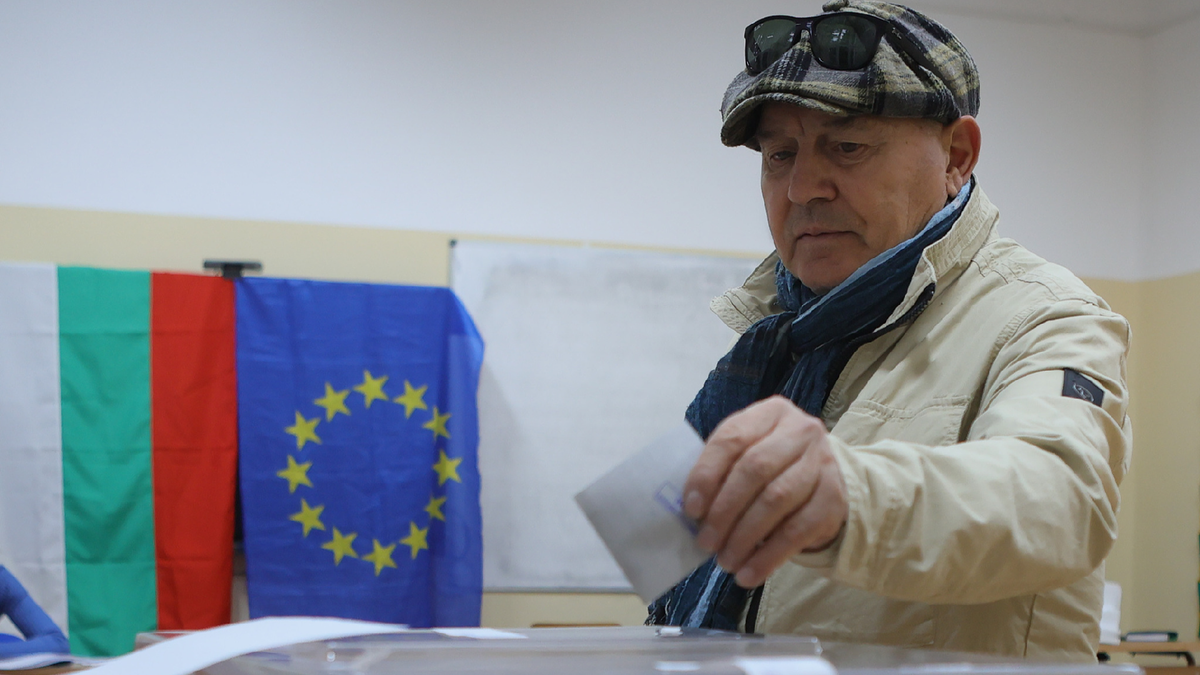
Bulgarians went to the polls on 1 November 2026 for the second round of their presidential election. Incumbent Iliana Iotova, running with Kiril Valchev, led the first round with 34.76 % of the vote, while Andrey Gurov, paired with Georgi Kandev, secured 31.95 %. The runoff pits the ruling Progressive Bulgaria party and the Bulgarian Socialist Party against a coalition of We Continue the Change and Democratic Bulgaria. Exit polls were slated for the evening, with official results due by the following Wednesday.
The contest is less about personal charisma than about competing visions of Bulgaria’s place in Europe and the structures that sustain political elites.
- Party alliances and patronage – The Iotova‑Valchev ticket enjoys a broad coalition that includes the long‑standing Socialist Party, which controls key ministries and state‑owned media. This alliance secures a network of patronage jobs, especially in the public sector, that keep regional power brokers loyal.
- Economic stakes – Bulgaria remains the EU’s poorest member, with wages well below the bloc average. The ruling coalition promises continuity of EU‑funded infrastructure projects and energy subsidies that keep the state budget afloat. Gurov’s platform, by contrast, emphasizes fiscal tightening, anti‑corruption reforms, and a push for private‑sector‑led growth, threatening entrenched interests.
- Foreign alignment – Bulgaria is a NATO member since 2004 and an EU member since 2007. The incumbent camp signals a steady pro‑Western course, reassuring Brussels and Washington that the country will continue to host NATO facilities and support EU sanctions on Russia. Gurov’s camp, while not anti‑Western, has flirted with a more independent foreign policy, courting Russian energy firms and hinting at a reassessment of the EU’s migration quota system.
- Institutional power – The presidency in Bulgaria is largely ceremonial, but it can shape public discourse, appoint certain officials, and act as a moral authority. Control of the office also offers a platform for future parliamentary influence, especially as the next parliamentary elections loom in 2027.
- Electoral math – With 27 candidate pairs in the first round, the runoff forces voters to choose between the two most viable blocs. Turnout is expected to be lower than the first round, amplifying the influence of mobilized party bases and organized voting blocs, such as pensioners in rural areas and diaspora voters in EU countries.
Ordinary Bulgarians bear the brunt of the political tug‑of‑war, even as the headlines focus on party leaders and foreign policy.
Bulgaria’s average monthly salary hovers around €700, well below the EU average. Pensioners receive one of the lowest pensions in the bloc, and many families rely on remittances from relatives working abroad. A continuation of the current subsidy regime keeps electricity and gas prices artificially low, but it also strains the national budget, limiting funds for health care and education.
Young people continue to leave in record numbers; the country’s population fell by over 1 % in the past year alone. Those who stay often face a stagnant job market, leading to underemployment and informal work. The political stalemate over migration quotas adds uncertainty for those hoping to work in Western Europe, as Bulgaria’s role as a gateway for asylum seekers becomes a bargaining chip in EU negotiations.
Rural areas, especially in the northwest and the Rhodope mountains, suffer from depopulation, poor infrastructure, and limited access to quality health services. The incumbent’s promise of continued EU‑funded road projects is a lifeline for these communities, while Gurov’s emphasis on fiscal austerity raises fears of project cuts.
Official narratives highlight democratic choice and EU alignment, but several layers remain under‑reported.
Behind the scenes, a handful of Bulgarian oligarchs control significant portions of the media market and key sectors such as construction, mining, and energy. Their interests align with the incumbent coalition, which safeguards lucrative state contracts and avoids aggressive anti‑corruption probes. Gurov’s anti‑corruption rhetoric threatens these networks, yet mainstream coverage downplays the depth of their reach.
Russian‑linked outlets have amplified criticism of EU sanctions and highlighted alleged corruption within the ruling parties. While Bulgarian authorities publicly condemn foreign interference, they rarely disclose the scale of online influence operations, allowing the narrative to persist without scrutiny.
Brussels presents its funding as a partnership, but much of the aid is tied to reforms that would curtail patronage and increase transparency. The incumbent’s subtle resistance to fully implementing these reforms is framed as “protecting national sovereignty,” masking a reluctance to relinquish control over patronage networks.
In recent years, Chinese firms have entered the Bulgarian construction and renewable‑energy markets, offering loans and joint ventures. The political discourse rarely mentions how these deals could shift Bulgaria’s strategic orientation, especially if the EU tightens scrutiny over Chinese influence.
The runoff’s result will set the tone for Bulgaria’s next five years, but the real indicators will appear in the weeks that follow.
- Parliamentary coalition talks – Regardless of who wins, the president will need to work with a fragmented parliament. The composition of that coalition will reveal whether reformist forces can break the patronage cycle.
- EU funding rollout – Monitoring the disbursement of the 2024‑2027 Cohesion Fund will show whether Brussels’ conditionality gains traction or remains a diplomatic footnote.
- Energy contracts – Any new agreements with Russian gas suppliers or Chinese renewable firms will signal a shift in Bulgaria’s energy independence strategy.
- Civil society mobilization – Protests, voter turnout in the diaspora, and the activity of anti‑corruption NGOs will indicate how much public pressure can counterbalance elite interests.
- NATO readiness – The presence of NATO training facilities in Bulgaria makes the country a strategic frontline. Any change in the president’s stance toward NATO exercises will be closely watched by both Washington and Moscow.
The runoff is more than a ceremonial vote; it is a flashpoint where domestic patronage, EU integration, and great‑power competition intersect. Observers should track not only the headline result but also the subtle policy shifts that follow, as they will shape the everyday lives of millions of Bulgarians and the security calculus of Europe’s southeastern flank.
Iotova backs the current coalition, promising continuity of EU‑funded projects and a pro‑Western stance. Gurov campaigns on anti‑corruption reforms, fiscal tightening, and a more independent foreign policy that could open space for Russian or Chinese ties.
A win for Iotova is likely to keep current EU funding streams and compliance with sanctions, while a Gurov victory could prompt renegotiations of EU conditionality, especially on anti‑corruption measures and migration quotas.
Source referenced: CGTN
This brief was synthesized by our Editorial Engine and reviewed by The Ground Narrative team.