TRENDING

Wednesday, 4 November 2026
----------------------
24 Jumada Al-Awwal 1448 AH
The Philippines supplies more than three‑quarters of its export value to fellow APEC members, especially in electronics. Yet the surge in trade masks deep pressures on workers, fishermen and small‑scale farmers.
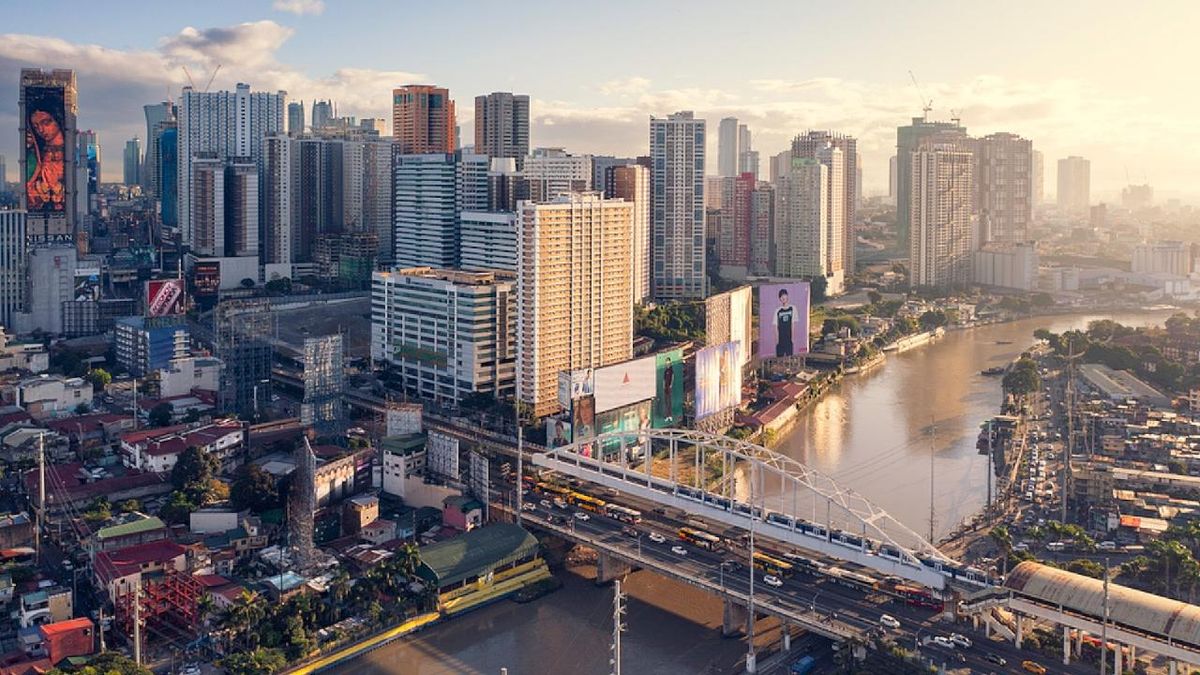
In 2025, Philippines shipped $69.41 billion worth of goods to other APEC economies, with electronic products alone accounting for $38.26 billion. The share of merchandise exports bound for APEC partners rose to 82.2%, underscoring the archipelago’s integration into regional supply chains. The data, released by the national statistics office, also highlighted a growing presence of renewable‑energy projects and a still‑vibrant domestic fishing sector.
The export surge rests on three intersecting incentives. First, low‑cost labor and a strategic location between China and the United States make the Philippines an attractive hub for multinational electronics assemblers seeking to diversify away from mainland China. Second, government policy—particularly tax breaks for export‑oriented firms and a push to attract foreign direct investment—creates a fiscal environment that rewards scale over wages. Third, the broader APEC framework, with its commitment to free trade and reduced tariffs, guarantees a ready market for Filipino output, reinforcing a cycle where producers chase volume to meet regional demand.
While export figures look impressive, factory workers in the Calabarzon and Central Luzon regions often earn near the minimum wage, with overtime unpaid or compensated at rates far below the legal minimum. Health and safety violations are common, especially in smaller subcontractors that lack the resources to upgrade equipment. The rapid expansion of electronics assembly has also spurred a surge in informal labor, leaving many without social security or stable contracts.
The same ports that handle container ships also serve traditional fishing vessels. As container traffic swells, fishing zones are squeezed, and waste from cargo operations contaminates coastal waters. Small‑scale fishers report declining catches and increased competition from industrial trawlers backed by foreign investors. Their livelihoods, already precarious, now face the added pressure of rising fuel costs tied to global oil price fluctuations.
Rice and corn farmers in the Central Visayas and Ilocos regions experience volatile prices because export‑focused agribusinesses prioritize cash crops for overseas markets. When global demand dips, farmers are left with surplus produce that cannot be sold domestically at profitable rates, leading to higher food insecurity in rural households.
Government officials frequently cite the export boom as evidence of successful economic policy, but they rarely disclose the lobbying power of multinational electronics firms that shape tax incentives and labor regulations. These corporations push for relaxed enforcement of occupational safety standards, arguing that stricter rules would erode competitiveness.
Official statements celebrate the rise of solar‑panel installations, yet they downplay the environmental toll of expanding manufacturing zones. Deforestation for new factory sites, increased water consumption, and hazardous waste disposal are rarely quantified in public reports, even as nearby communities report rising rates of respiratory illness.
The APEC narrative emphasizes market openness, but it also serves as a diplomatic buffer for larger powers. By deepening trade ties with the Philippines, both the United States and China secure footholds in a region where influence is contested, without overtly militarizing the relationship. This strategic calculus is omitted from most economic briefings.
Watch for the next round of export‑tax reforms slated for early 2027, which could further lower corporate tax rates in exchange for higher employment targets. Monitor labor‑rights NGOs for reports of increased union activity in electronics hubs, as collective bargaining could shift the profit‑share balance. Finally, keep an eye on regional fisheries agreements that may either protect small‑scale fishers or open the door to larger foreign fleets, reshaping coastal economies across the archipelago.
In 2025, about 82.2% of the Philippines' merchandise exports were destined for fellow APEC economies, amounting to roughly $69.41 billion.
Workers see low wages, often near the minimum, with limited overtime pay and frequent safety violations, especially in smaller subcontractors lacking resources for proper equipment.
Yes, expanding manufacturing zones lead to deforestation, higher water use, and hazardous waste, while increased port activity contaminates coastal waters, impacting fishing communities.
Source referenced: CGTN
This brief was synthesized by our Editorial Engine and reviewed by The Ground Narrative team.