TRENDING

Tuesday, 4 August 2026
----------------------
21 Safar 1448 AH
Hundreds of migrants remain stranded in Ceuta, caught between Spain's labor needs and Europe's divided approach to border control. This analysis uncovers the power dynamics and human cost of a crisis where geopolitical leverage meets individual desperation.
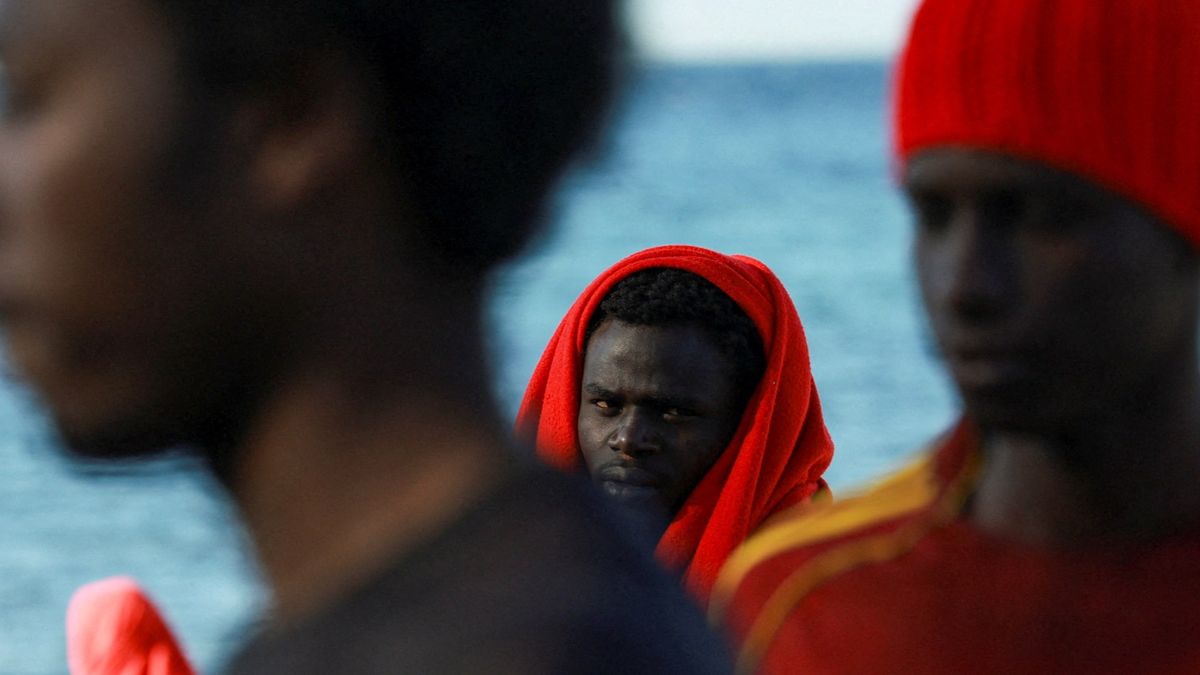
On the shores of Ceuta, a Spanish enclave in North Africa, hundreds of migrants from various African nations remain stranded. This follows a recent surge of tens of thousands from Morocco, many of whom were quickly returned under special arrangements between Spain and Morocco. The remaining individuals, primarily from countries like Sudan, Somalia, and Senegal, cannot be easily repatriated and are living in precarious conditions, seeking asylum or economic opportunity. This situation has intensified a debate within the European Union, particularly after Spain's Socialist government proposed regularizing up to one million undocumented migrants to address its aging population and labor shortages, a move met with strong opposition from other EU members, especially the populist right.
This unfolding situation in Ceuta is a stark illustration of the complex power dynamics at play between Spain, Morocco, and the broader European Union. Spain finds itself in a precarious position, attempting to balance its role as an EU border guardian with its own domestic economic realities. The proposed regularization of migrants is a pragmatic response to a looming labor crisis, yet it directly challenges the prevailing anti-migration sentiment in much of the EU. For Morocco, the control of its borders, or the strategic relaxation of that control, serves as a potent diplomatic tool. Reports of Moroccan border guards 'waving through' migrants suggest a calculated maneuver, using migration flows as leverage in its ongoing relationship with Spain and the EU, likely in exchange for aid or other concessions. The EU, meanwhile, is deeply fractured, with some member states prioritizing border security and advocating for stricter controls, while others, like Spain, grapple with the demographic and economic imperatives that necessitate migrant labor. This internal discord weakens the EU's collective response and leaves individual nations vulnerable to external pressures.
While governments negotiate and political factions clash, the most immediate and profound cost is borne by the migrants themselves. Stranded on a beach ironically named 'Playa del Trampolin' (Trampoline Beach), they exist with minimal access to food, water, or hygiene. Their lives are suspended in uncertainty, their hopes for a better future clashing with the harsh realities of their present. Many are fleeing war, persecution, or profound poverty, carrying complex stories of desperation and resilience. Others, like Omar from Senegal, are simply seeking work, believing they have much to contribute. For them, Ceuta is not just a border; it is a crucible where their aspirations meet the indifference of international politics. Beyond the individuals, the small enclave of Ceuta itself bears a human cost, as its limited resources are stretched to accommodate an unexpected influx, impacting local communities and services.
What is often downplayed or omitted in official statements is the strategic dimension of Morocco's actions. The narrative often frames migrant surges as a failure of border control, but the suggestion of Moroccan guards actively facilitating crossings points to a deliberate policy choice. This turns human beings into bargaining chips, allowing Morocco to exert pressure on Spain and the EU for political or economic gains. Furthermore, the broader EU discourse frequently demonizes 'economic migrants' while simultaneously relying on their labor to fill critical shortages in aging societies. Spain's regularization plan, while controversial, highlights this unspoken economic necessity. The EU's externalization of border control, effectively outsourcing its migration challenges to North African states, also comes with an untold human cost, often leading to less transparent and less humane treatment of migrants outside European jurisdiction.
Readers should closely watch the fallout from Spain's proposal to regularize undocumented migrants. Its reception within the EU will be a critical indicator of the bloc's future direction on migration policy – whether pragmatism or populist fear will prevail. The ongoing relationship between Spain and Morocco, particularly concerning border management agreements and aid packages, will reveal the true nature of the 'special arrangements' that govern these flows. Furthermore, observe how other European nations, facing similar demographic challenges, might react or adapt their own migration policies. The fate of the hundreds of individuals still stranded in Ceuta will serve as a stark reminder of the human stakes in these high-level political maneuvers, and whether 'Playa del Trampolin' truly becomes a jumping-off point or a dead end for their hopes.
Source referenced: ALJAZEERA
This brief was synthesized by our Editorial Engine and reviewed by The Ground Narrative team.


