TRENDING

Saturday, 19 September 2026
----------------------
8 Rabi' Al-Thani 1448 AH
A recent surge of undocumented migrants crossing from Morocco into Spain's North African enclave of Ceuta has triggered a serious border crisis, exposing divisions within the European Union over migration policy. The crisis has resulted in the deaths of at least 67 people and the return of over 48,000 migrants to Morocco.
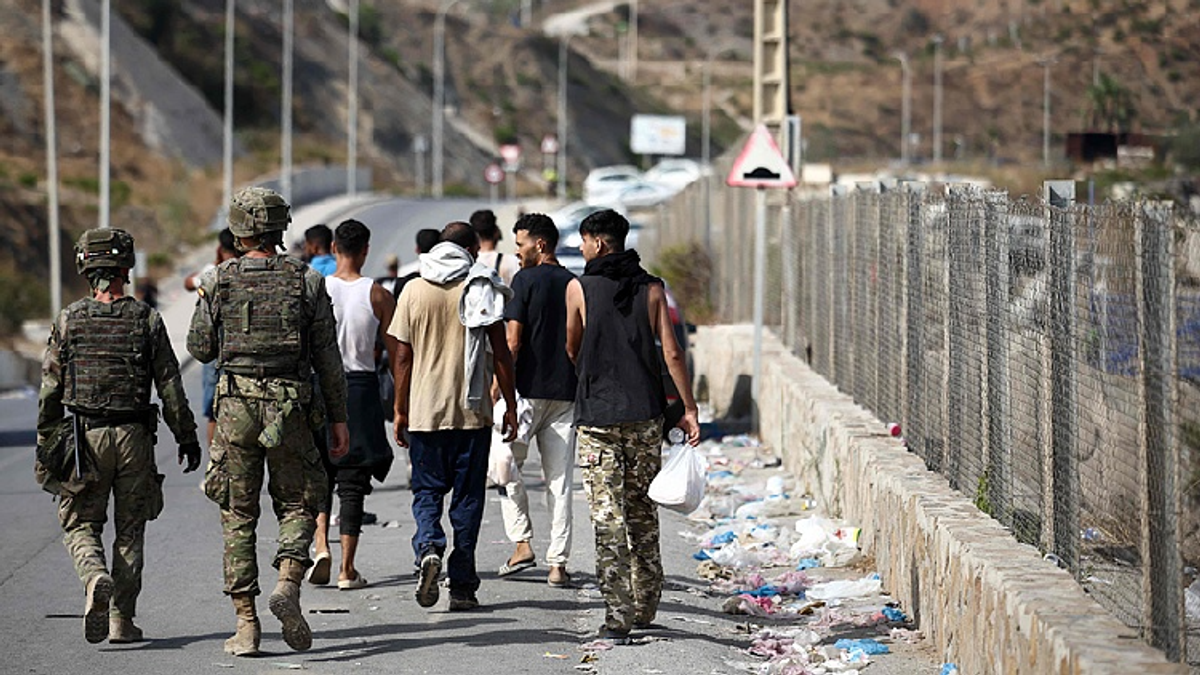
In late June and early July, Spain's Supreme Court ruled that migrants intercepted at sea near Ceuta and Melilla could not be summarily returned under the special 'pushback' regime applied at land borders. This ruling was quickly distorted online, leading many to believe that reaching Ceuta by sea would guarantee legal residency in Spain. As a result, over 50,000 undocumented migrants entered Ceuta, many by swimming around the Tarajal border crossing or using makeshift flotation devices.
The crisis in Ceuta is a symptom of a larger issue - the lack of a unified migration policy within the European Union. The EU's external border management has been a point of contention among member states, with some countries calling for stricter controls and others advocating for a more humanitarian approach. The recent influx of migrants has reignited this debate, with some EU member states criticizing Spain's migration policy and calling for an emergency ministerial meeting to discuss the crisis.
The human cost of the Ceuta crisis has been devastating. At least 67 people have died during the crossings, and many more are still missing. The migrants who made it to Ceuta were met with harsh conditions, including overcrowding and poor sanitation. The crisis has also had a significant impact on the local community, with many residents of Ceuta feeling overwhelmed by the sudden influx of migrants.
What is being downplayed in the official statements is the role of migrant-smuggling networks in amplifying false information on social media, creating the impression that reaching Ceuta guaranteed legal status. These networks have been able to exploit the lack of a unified migration policy within the EU, as well as the desperation of migrants seeking a better life in Europe. The EU's inability to address the root causes of migration, such as poverty and conflict, has also contributed to the crisis.
As the EU interior ministers hold a videoconference to discuss the Ceuta crisis, it is essential to watch for any signs of a unified approach to migration policy. Will the EU be able to put aside its differences and develop a comprehensive plan to address the root causes of migration, or will the crisis in Ceuta continue to expose the divisions within the EU? The outcome of this meeting will have significant implications for the future of migration policy in Europe and the lives of thousands of migrants seeking a better life.
Editor's Note: The analysis is based on publicly available information and may not reflect the full complexity of the situation.
Source referenced: CGTN
This brief was synthesized by our Editorial Engine and reviewed by The Ground Narrative team.


