TRENDING

Monday, 3 August 2026
----------------------
20 Safar 1448 AH
Wildfires in Le Porge, France, have unearthed WWII shells, prompting bomb disposal operations and raising questions about the lasting impact of war on communities. As residents await their return, the incident highlights the enduring legacy of conflict and the human cost of unexploded ordnance.
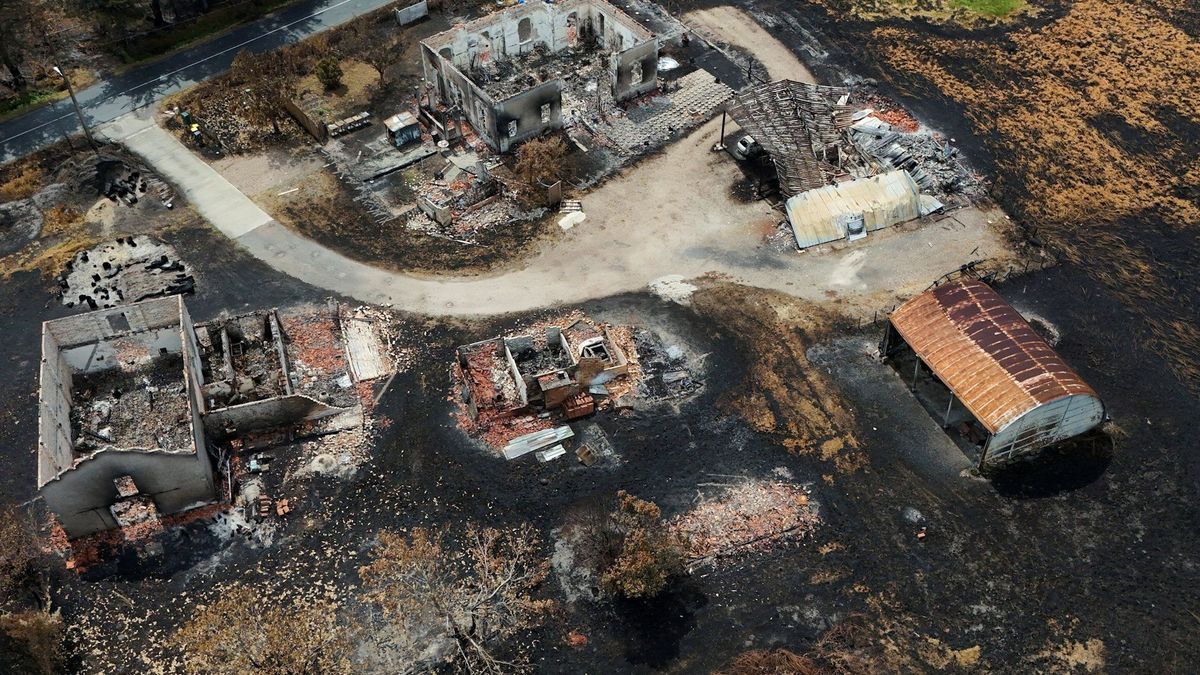
In the French village of Le Porge, a recent wildfire has led to the discovery of World War II shells, prompting an urgent bomb disposal operation. The effort aims to ensure the safe return of residents who were evacuated due to the fire. This incident underscores the unpredictable nature of wildfires and the potential for uncovering remnants of past conflicts.
The presence of WWII shells in Le Porge is a stark reminder of the long-lasting impact of war on communities and the environment. The French government and local authorities face the challenge of balancing the need for public safety with the historical significance of these discoveries. Meanwhile, international organizations and experts in demining play a crucial role in assisting with the disposal of unexploded ordnance, highlighting the importance of global cooperation in addressing the legacy of conflict.
For the residents of Le Porge, the discovery of WWII shells has meant displacement and uncertainty. Beyond the immediate risks posed by unexploded ordnance, there are also psychological impacts to consider, as communities confront the remnants of a war that may seem distant but still affects their daily lives. The incident also draws attention to the global issue of unexploded remnants of war, which continue to claim lives and disrupt communities long after conflicts have ended.
While the immediate focus is on the safe disposal of the WWII shells, there is a broader narrative about the incomplete clearance of war remnants across Europe and other regions affected by WWII. Powerful actors, including governments and international bodies, may be downplaying the scale of the problem, the resources required to address it, and the need for sustained efforts to educate the public about the risks associated with unexploded ordnance. This underreporting can lead to a lack of urgency in addressing these issues, leaving communities vulnerable.
As the situation in Le Porge unfolds, readers should watch for updates on the bomb disposal operations and the return of residents to their homes. Furthermore, this incident should prompt a closer look at global initiatives aimed at clearing unexploded remnants of war, the funding allocated to these efforts, and the international cooperation required to tackle this legacy of conflict effectively. The response to this incident in Le Porge could set a precedent for how similar situations are handled in the future, emphasizing the need for transparent reporting and community engagement in the face of such challenges.
Editor's Note: The full extent of unexploded WWII ordnance in France and similar regions is not entirely known, and the exact number of such incidents globally may be underreported.
Source referenced: ALJAZEERA
This brief was synthesized by our Editorial Engine and reviewed by The Ground Narrative team.


