TRENDING

Monday, 21 September 2026
----------------------
10 Rabi' Al-Thani 1448 AH
Two regional defeats – Berlin to Die Linke and Mecklenburg‑Western Pomerania to the AfD – have turned Chancellor Friedrich Merz’s first year into a political wake‑up call. He vows to press on, but the power balance in Germany is shifting beneath his agenda.
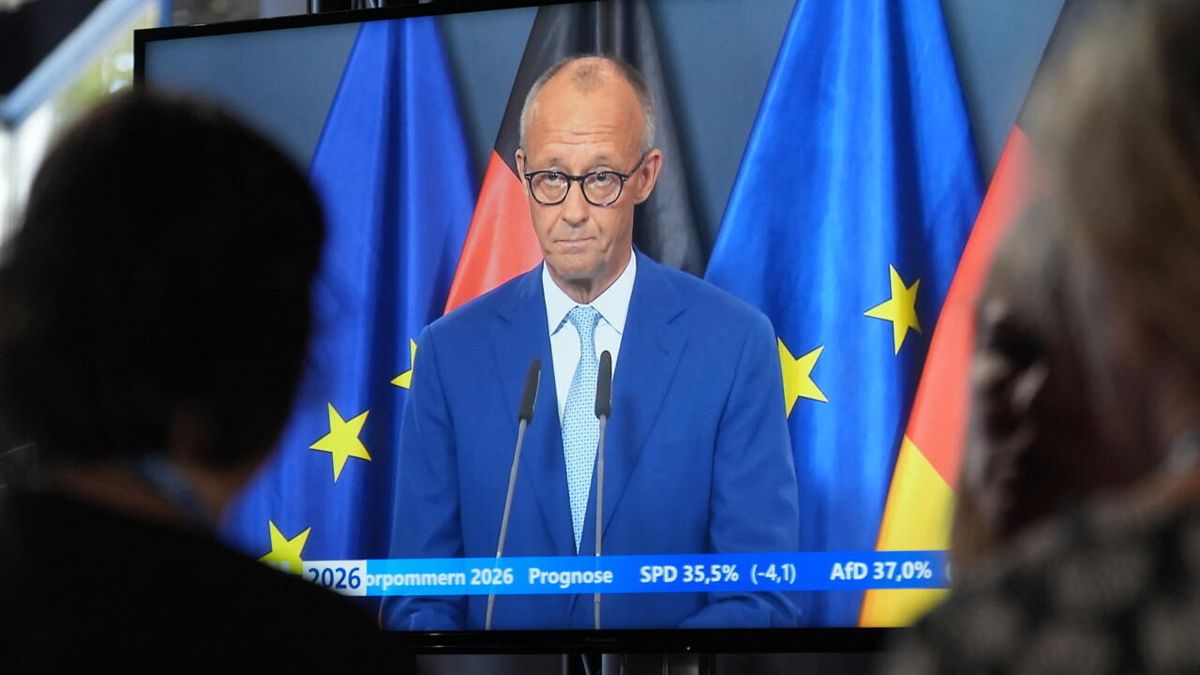
German Chancellor Friedrich Merz suffered unexpected setbacks in two key state elections on September 20, 2026. Exit polls in Berlin show the left‑wing Die Linke ahead of the governing CDU, while in Mecklenburg‑Western Pomerania the far‑right AfD narrowly beats the Social Democrats. Merz called the CDU’s performance a “disaster” but pledged to keep pushing his reform programme.
The regional losses expose three intersecting pressures on Merz’s rule. First, the coalition math in the Bundestag is already fragile; the CDU‑SPD partnership relies on a slim majority, and any erosion at the state level threatens to embolden opposition parties to demand concessions in federal policy. Second, policy incentives matter: Merz’s agenda – pension cuts, liberalised labour rules and a push for faster energy transition – is designed to appease business lobbies and the European Commission, but it alienates working‑class voters who fear wage stagnation. Third, the political survival calculus for Merz is shaped by intra‑party dynamics. The CDU’s right‑wing base, still loyal to former leader Angela Merkel’s centrist line, is uneasy about losing ground to the AfD, while the party’s moderate wing worries about being painted as a vehicle for neoliberal austerity. The dual defeat forces Merz to balance appeasing his party’s right flank, keeping the centre‑right coalition intact, and avoiding a full‑scale backlash that could trigger a snap federal election.
The human cost of Merz’s reform push is already being felt in the everyday lives of ordinary Germans. In Berlin, low‑income families dependent on public housing and social services risk losing subsidies as the CDU’s fiscal tightening gains traction. In the rural districts of Mecklenburg‑Western Pomerania, the AfD’s surge reflects deep frustration over depopulation, dwindling public transport, and a perceived neglect of the agricultural sector. Young workers in both regions fear that pension reforms will force them to retire later with reduced benefits, while small‑business owners worry about deregulated labour laws that could erode collective bargaining power. The political rhetoric in the studio does not capture the anxiety of a generation that sees its future squeezed between a hard‑line fiscal agenda and a rising tide of nationalist sentiment.
Official statements focus on “policy continuity” and “national resilience,” but they downplay two critical dimensions. First, the role of foreign investors in shaping the reform agenda is largely invisible. German industry groups, backed by U.S. and Asian capital, lobby for deregulation that would make the labour market more attractive to multinational firms, a factor that subtly steers the Chancellor’s priorities away from domestic social concerns. Second, the security calculus linked to the AfD’s rise is being muted. While the party is framed as a protest vote, its growing foothold in a border state raises questions about Germany’s ability to enforce EU migration and border policies, especially as neighboring states grapple with their own far‑right surges. Both dimensions are omitted from the televised address, leaving the public with an incomplete picture of what drives the political calculus.
Watch for three developments that will determine whether Merz can salvage his agenda. 1️⃣ Federal budget negotiations in the coming months will reveal how much fiscal tightening the CDU can extract from coalition partners without triggering a vote of no confidence. 2️⃣ The upcoming state elections in Saxony and Baden‑Württemberg will test whether the AfD can replicate its Mecklenburg‑Western Pomerania breakthrough or if Die Linke can consolidate its urban resurgence. 3️⃣ Business lobbying activity around the EU’s Green Deal funding, especially from the automotive and chemical sectors, will indicate whether external capital is willing to bankroll the reforms Merz champions. The interplay of these factors will shape not only Germany’s domestic trajectory but also its role in the broader European power balance.
Source referenced: FRANCE24
This brief was synthesized by our Editorial Engine and reviewed by The Ground Narrative team.


