TRENDING

Monday, 21 September 2026
----------------------
10 Rabi' Al-Thani 1448 AH
The White House has denied access to major news outlets, sparking concerns over press freedom. This move highlights the executive branch's power to control information and shape public narratives.
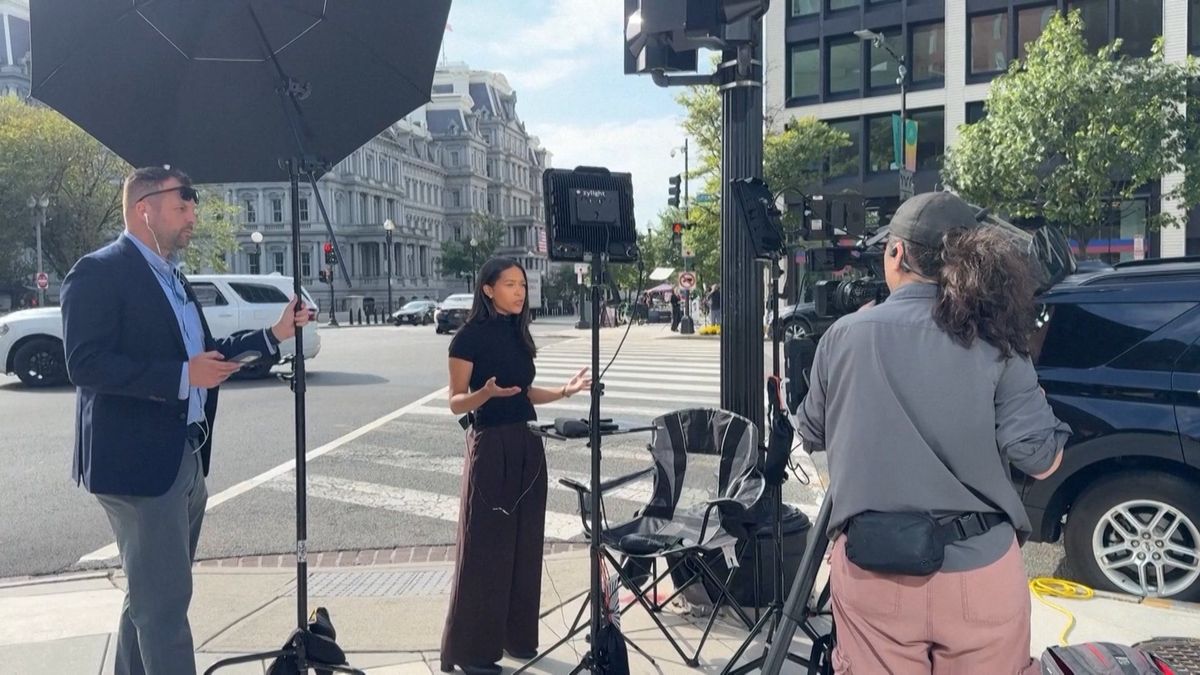
On September 20, 2026, the White House took the unprecedented step of denying access to journalists from CNN, MSNBC, and Politico. This decision, reportedly enacted by the administration of Donald Trump, effectively banned these prominent news organizations from covering White House events and briefings. The affected outlets swiftly condemned the action, asserting it infringes upon First Amendment protections for a free press and constitutes a restriction of access based on their critical coverage.
This incident lays bare the executive branch's immense power to control the flow of information and, by extension, public perception. The White House, as the seat of presidential power, dictates who gains physical access to its premises and, therefore, to direct interactions with the President and his staff. By selectively barring outlets, an administration can attempt to punish critical reporting and reward favorable coverage, creating a chilling effect across the media landscape. This tactic leverages the inherent desire of news organizations to have direct access, transforming it into a privilege that can be revoked. The underlying incentive for the powerful is to minimize scrutiny and maximize control over the narrative, especially in a politically charged environment where public opinion is paramount for political survival.
The immediate human cost of this decision is borne by the journalists themselves, whose ability to perform their civic duty — informing the public — is directly curtailed. However, the larger, often unseen cost falls upon the ordinary citizens who rely on a diverse and unhindered press for accurate and comprehensive information. When major news outlets are denied access, the public loses a crucial set of eyes and ears inside the corridors of power. This creates information vacuums, allows unchecked narratives to proliferate, and ultimately hinders the public's capacity to make informed decisions about their leaders and the policies that affect their lives. It erodes the foundational principle that a government is accountable to its people, and that a free press is the primary mechanism for enforcing that accountability.
While the immediate outcry focuses on press freedom, what is often downplayed or omitted in official statements is the long-term institutional damage being inflicted. This isn't merely an isolated incident of an administration clashing with specific media outlets; it sets a dangerous precedent. By normalizing the idea that a president can arbitrarily define who is a 'legitimate' journalist worthy of access, it weakens the institutional role of the press as the fourth estate. Governments and powerful corporations globally, including those in less democratic nations, observe such actions. The message sent is that media access can be weaponized as a tool of political control, potentially emboldening other regimes to adopt similar tactics against their own independent media, further eroding global democratic norms under the guise of 'managing' the press. The silence or muted responses from other powerful political actors, both domestic and international, also speaks volumes, implying a tacit acceptance or a fear of becoming the next target.
Observers should closely watch for several developments. Firstly, the legal challenges that the banned media outlets may pursue, and how the courts interpret the First Amendment's protections in the context of White House access. Secondly, the response from other media organizations — whether they unite in solidarity or if some choose to distance themselves to preserve their own access. Thirdly, monitor public opinion shifts regarding press freedom and the executive's role in controlling information. Finally, and perhaps most critically, observe how this incident influences media-government relations in other democratic nations. Will this become a template for how powerful actors globally manage or suppress critical reporting, or will it galvanize a stronger defense of press independence worldwide?
Source referenced: ALJAZEERA
This brief was synthesized by our Editorial Engine and reviewed by The Ground Narrative team.


