TRENDING

Saturday, 7 November 2026
----------------------
27 Jumada Al-Awwal 1448 AH
The personal data of Italy's Foreign Minister, Antonio Tajani, was leaked on the dark web by pro-Russian hackers, marking a direct escalation in the digital conflict tied to Europe's support for Ukraine.
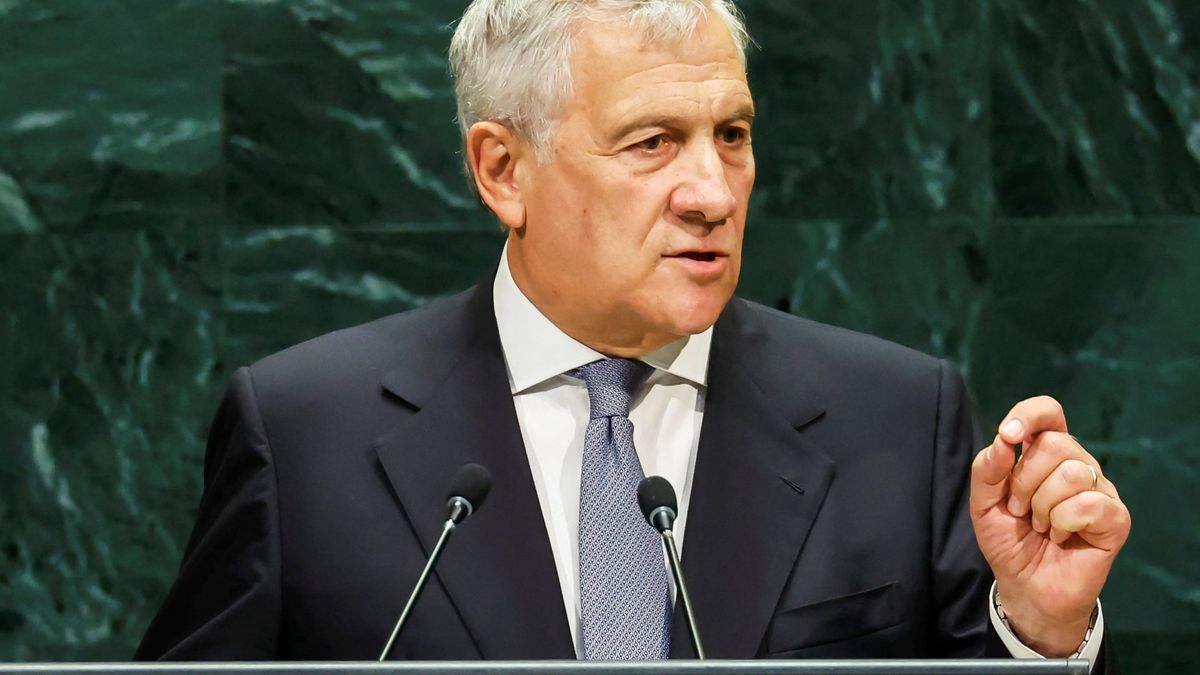
Italian Foreign Minister Antonio Tajani recently disclosed that his personal data, including information related to his family, had been disseminated and offered for sale on the dark web. Prime Minister Giorgia Meloni swiftly attributed the breach to pro-Russian hackers, linking the attack directly to Italy's unwavering support for Ukraine and its efforts to bolster its digital defenses. This incident is not isolated; it emerges amidst a broader pattern of digital disruptions and physical threats across Europe, encompassing hoax bomb alerts, flight diversions, and attacks on critical infrastructure like supermarket refrigeration systems, all pointing to a sustained, low-intensity digital conflict.
The leak of Minister Tajani's personal data by pro-Russian hackers is a textbook example of asymmetric warfare in the digital age. In an era where direct military confrontation carries immense risks, cyberattacks offer a potent, low-cost alternative for states or their proxies to exert pressure, sow discord, and test the resolve of adversaries without crossing conventional thresholds of war. The power dynamic here is rooted in deniability and disruption. By operating through
Source referenced: ALJAZEERA
This brief was synthesized by our Editorial Engine and reviewed by The Ground Narrative team.