TRENDING

Monday, 3 August 2026
----------------------
20 Safar 1448 AH
A US international cricketer's eight-year ban for match-fixing exposes the relentless pressure on athletes and the pervasive influence of illicit betting markets on global sports.
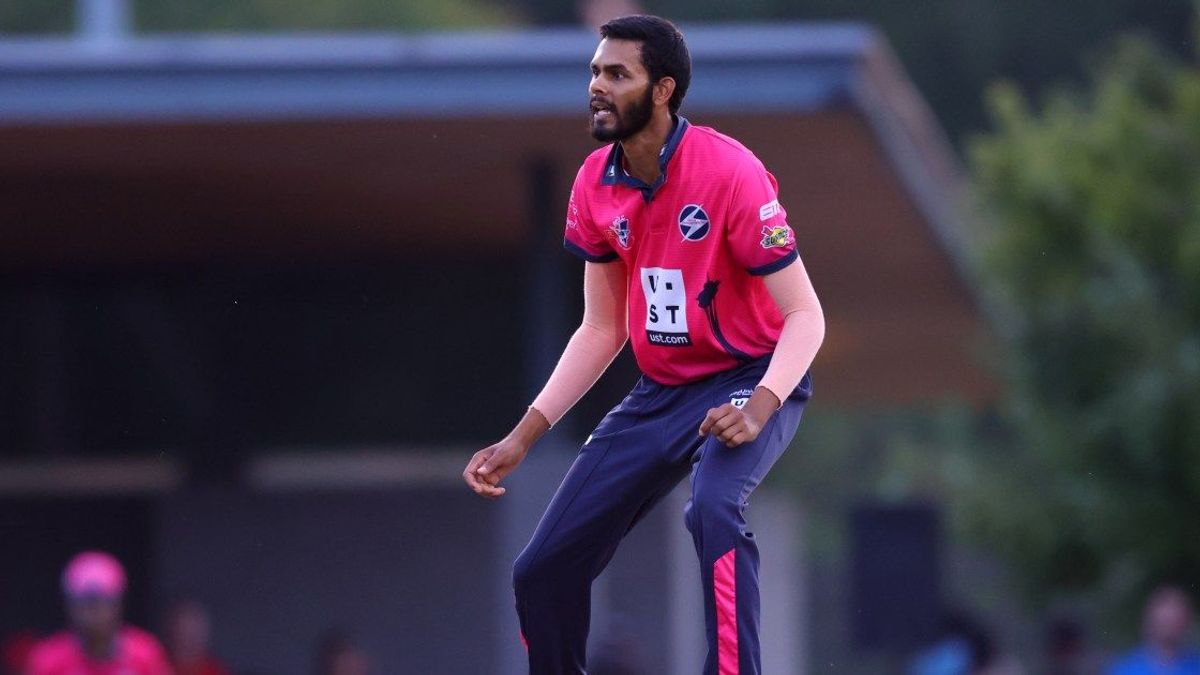
Akhilesh Reddy, a 26-year-old USA international cricketer, has been handed an eight-year ban by the International Cricket Council (ICC) for multiple breaches of its anti-corruption code. The charges stemmed from his involvement during the Abu Dhabi T10 League, where he was found guilty of attempting to fix or improperly influence matches, soliciting another player to engage in corrupt activities, and deleting crucial data from his mobile device relevant to the investigation. The ban, backdated to November 21, 2025, effectively ends his professional career.
The Reddy case is not an isolated incident but a stark reminder of the immense financial pressures and temptations that pervade global sports, particularly cricket. The power mechanics at play are multi-layered. Firstly, there's the economic vulnerability of athletes: while top-tier cricketers earn millions, many professionals, especially in developing cricket nations or franchise leagues, operate on far more modest incomes, making them susceptible targets for illicit approaches. The promise of quick, significant sums of money can override ethical considerations and career longevity.
Secondly, the global betting market for cricket is a colossal, largely unregulated beast, estimated to be worth billions. This creates an irresistible incentive for organized crime syndicates to infiltrate the sport. Short-format leagues like the T10, with their rapid outcomes and fewer variables, can be seen as particularly attractive targets for manipulation, offering quicker returns on illegal bets. The ICC's Anti-Corruption Unit (ACU) wields regulatory power, but it's a constant, resource-intensive battle against sophisticated, cross-border criminal networks whose primary incentive is profit, irrespective of the sport's integrity. The very commercial value of cricket, built on fan trust and perceived fairness, becomes a target for those seeking to exploit its vulnerabilities.
The immediate and most visible cost falls upon Akhilesh Reddy himself, whose career is now in ruins, facing public shame and likely financial hardship. However, the human cost extends far beyond the individual player. Fans are the ultimate casualties. Their emotional investment, their belief in fair competition, and the purity of the game are eroded when they learn that outcomes might be predetermined. This betrayal shatters the very essence of sportsmanship and the communal joy of sport.
For emerging cricketing nations, such as the USA, the impact is particularly damaging. Significant efforts and investments are being made to grow the sport in non-traditional markets. An international player from such a nation being implicated in match-fixing casts a long shadow over the legitimacy of the sport's development there, potentially deterring future investment, grassroots participation, and the crucial trust of a nascent fan base. Moreover, the honest players who resist approaches from fixers bear a silent burden, navigating an environment where suspicion can linger, and the pressure to report can be immense, often with personal risks.
What official statements and bans often downplay is the sheer scale and systemic nature of match-fixing. This isn't merely about individual moral failings; it's about a pervasive, shadowy economy often linked to powerful organized crime syndicates that operate globally. The ICC's ACU, despite its efforts, acknowledges that it can only catch a fraction of the illicit activity. The sophisticated networks that funnel money, identify targets, and execute fixes are rarely fully exposed or dismantled.
Furthermore, there's the economic disparity within professional sports. While the narrative often focuses on the "greed" of players, the reality for many is a precarious existence, far removed from the multi-million-dollar contracts of superstars. This economic vulnerability is a key factor that fixers exploit, turning athletes into pawns in a much larger, darker game. The true architects of these schemes, the financiers and kingpins, remain largely untouched, operating from the shadows, their profits often laundered through legitimate channels. The focus on the player's guilt often overshadows the deeper, structural issues that enable such corruption to thrive.
Moving forward, several critical areas warrant close observation. The ICC's evolving strategy against corruption will be key – will they enhance intelligence gathering, increase educational outreach to vulnerable players, or push for more robust international cooperation with law enforcement agencies to target the syndicates themselves? The growth of cricket in new territories like the USA will be a litmus test; incidents like Reddy's could either force stricter integrity measures and vetting processes or stunt the sport's development if trust is not re-established.
Finally, the ongoing technological arms race between illegal betting operations and anti-corruption units will continue. As betting platforms become more sophisticated and globally accessible, the challenge of monitoring and preventing manipulation intensifies. This incident serves as a stark reminder that the battle for the integrity of global sports is a continuous, high-stakes conflict, with the powerful forces of illicit finance constantly probing for weaknesses in the system.
Source referenced: ALJAZEERA
This brief was synthesized by our Editorial Engine and reviewed by The Ground Narrative team.


