TRENDING

Wednesday, 16 September 2026
----------------------
5 Rabi' Al-Thani 1448 AH
Despite unprecedented destruction and personal loss, thousands of Gaza's high school students achieved remarkable exam results, transforming education into an act of quiet defiance against systemic challenges.
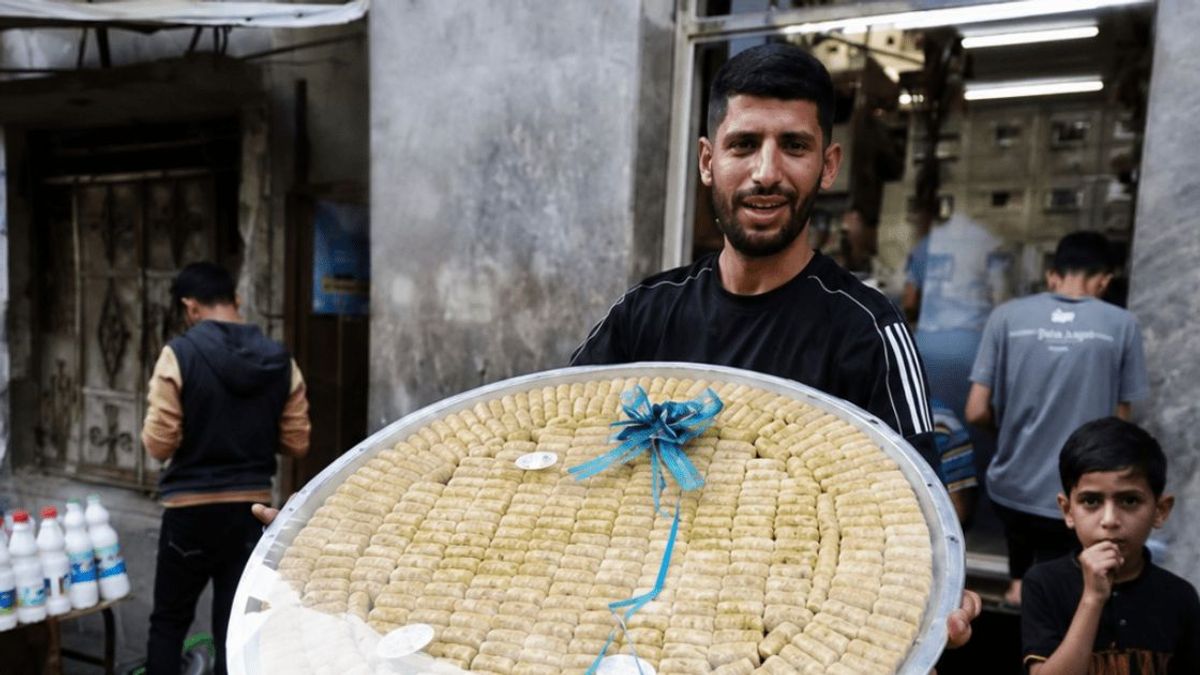
In July 2026, amidst a landscape of widespread destruction, thousands of high school students across the Gaza Strip received their Tawjihi exam results. Against all odds—including the destruction of nearly all educational infrastructure, displacement, and immense personal tragedy—many students, like the Musa siblings in Khan Younis, achieved exceptional scores. This academic milestone, typically a moment of pure celebration, was instead a testament to an enduring commitment to education in the face of a collapsed society, with over 1,100 students who were due to sit the exams having been killed.
The power dynamics at play in Gaza's educational sphere are stark. On one side, Israel's military operations have systematically dismantled the physical infrastructure of learning, with over 97 percent of schools damaged or destroyed. This deliberate or indiscriminate destruction of educational facilities, coupled with blockades on essential resources, creates an environment where the very act of teaching and learning becomes an act of resistance. The objective consequence is a profound disruption to societal continuity and the potential to create a lost generation, impacting long-term stability and future prospects.
On the other side, the power of resilience and human will is evident in the students, families, and teachers. For Palestinians in Gaza, education is not merely a path to individual advancement; it is a strategic investment in collective dignity and a future beyond the immediate conflict. It is a quiet, yet potent, form of soft power against the hard power of military might and economic strangulation. The commitment of teachers like Hanaa al-Sayed, who taught in damaged schools and provided psychological support alongside academics, underscores a profound societal imperative to preserve knowledge and hope.
The human cost of this struggle is borne overwhelmingly by Gaza's children and their families. The stories of students like Tala Abu Sukkar, who lost her mother, father, brother, sister, and four nephews and nieces, yet still achieved an 86 percent average, illustrate the profound psychological and emotional burden. These students study in tents, damaged buildings, or makeshift shelters, often grappling with the trauma of displacement, loss, and constant insecurity. The destruction of homes and communities means that the traditional support structures for learning are shattered, leaving children to navigate their academic journeys while simultaneously processing immense grief and instability. The long-term psychological impact on a generation forced to mature under such conditions is immeasurable, shaping their worldview and future capacity.
What governments and international bodies often downplay or omit in their public statements is the strategic, long-term impact of systematically undermining an entire population's access to education. While humanitarian aid focuses on immediate needs, the destruction of schools and the disruption of learning are not just collateral damage; they are an assault on the future. The international community's inability to effectively protect educational infrastructure or ensure consistent access to learning materials implicitly condones a reality where a generation's intellectual capital is eroded. The narrative often centers on immediate conflict resolution, overlooking the slow, insidious violence inflicted upon civil society's foundations. The powerful actors rarely acknowledge the generational wound being inflicted, nor the potential for this disenfranchisement to shape future political landscapes, whether through intensified despair or a hardened resolve for self-determination.
Looking ahead, several critical indicators will reveal the true trajectory for Gaza's students. Watch for the extent and speed of school reconstruction efforts, and whether these are comprehensive or merely symbolic. Crucially, observe the access these high-achieving students gain to higher education, both within Gaza (if universities can function) and abroad. Will scholarships and travel permits be made available, or will their academic success be met with continued systemic barriers? Finally, monitor the provision of mental health and psychosocial support for these deeply traumatized students and educators. The resilience shown in these exam results is extraordinary, but without sustained investment in their well-being and future opportunities, this generation's hard-won academic victories risk becoming isolated triumphs in a landscape of ongoing struggle. Their future, and by extension, Gaza's, hinges on whether the world will move beyond acknowledging their resilience to actively enabling their potential.
Source referenced: ALJAZEERA
This brief was synthesized by our Editorial Engine and reviewed by The Ground Narrative team.


