TRENDING

Thursday, 5 November 2026
----------------------
25 Jumada Al-Awwal 1448 AH
South Korea is expanding its naval presence closer to the Strait of Hormuz, ostensibly for anti-piracy, but under significant US pressure to support its regional objectives. This move forces Seoul to balance critical alliances with the risk of entanglement in a volatile conflict.
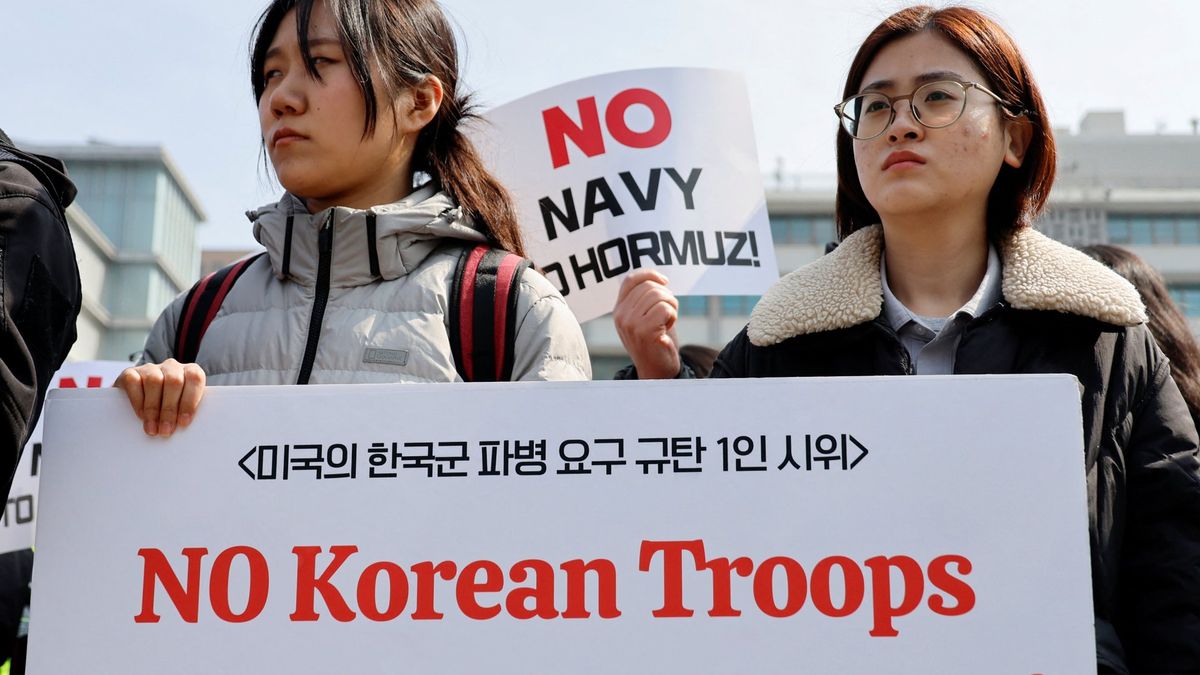
South Korea is preparing to significantly expand the operational area of its Cheonghae anti-piracy unit, pushing its patrols from the Gulf of Aden into waters closer to the Strait of Hormuz. The proposed expansion would nearly double the unit's operating radius, extending its reach into the Arabian Sea south of Oman, near the port of Duqm. This move, which includes adding personnel and a P-8A maritime patrol aircraft, comes after explicit pressure from the United States to support its regional posture, specifically described as its "war on Iran" in the intelligence. The South Korean Ministry of National Defense will seek approval from the National Assembly to extend the unit's mandate, which is set to expire at the end of 2026.
The decision by South Korea to expand its naval presence is a direct consequence of the intricate web of power dynamics that define its relationship with the United States and its economic reliance on Middle Eastern energy. At its core, this is a classic example of a junior ally navigating the demands of a senior partner, even when those demands carry significant risks.
Washington's leverage over Seoul is immense. The US provides South Korea's primary security umbrella against North Korea, a non-negotiable strategic imperative for Seoul. This security guarantee comes with implicit and explicit expectations of alignment on broader US foreign policy objectives. When US President Donald Trump pressures Seoul to support its "war on Iran," it's not merely a request; it's a test of alliance loyalty. For the US, South Korea's participation, even if framed as non-combat, offers symbolic and practical benefits: it legitimizes Washington's regional stance, demonstrates allied unity, and potentially frees up US assets for other missions.
South Korea's government, led by President Lee Jae Myung, is caught in a difficult balancing act. On one hand, it must appease Washington to maintain the integrity of the alliance. On the other, it faces domestic political opposition to troop deployments that could draw the nation into a distant conflict. Seoul's economic interests are also profoundly tied to the Strait of Hormuz, through which a significant portion of its crude oil imports and global trade passes. Protecting these vital shipping lanes is a genuine concern, but the timing and the explicit US pressure suggest that economic protection is intertwined with, if not secondary to, geopolitical alignment.
Iran, for its part, holds a powerful, albeit reactive, position. As the primary guarantor of its own security in the Persian Gulf, Tehran views any increased foreign military presence, particularly one linked to US pressure, with suspicion. The Strait of Hormuz is a critical choke point, and Iran's ability to disrupt shipping there gives it significant leverage. Any perceived hostile action or encroachment could trigger a response, regardless of the stated intentions of the deploying nation.
The framing of the mission as
Source referenced: ALJAZEERA
This brief was synthesized by our Editorial Engine and reviewed by The Ground Narrative team.