TRENDING

Thursday, 5 November 2026
----------------------
25 Jumada Al-Awwal 1448 AH
China is pitching an AI‑native electricity network at this year's APEC summit, promising greener power for AI workloads. The plan reshapes power politics while ordinary households face new pressures.
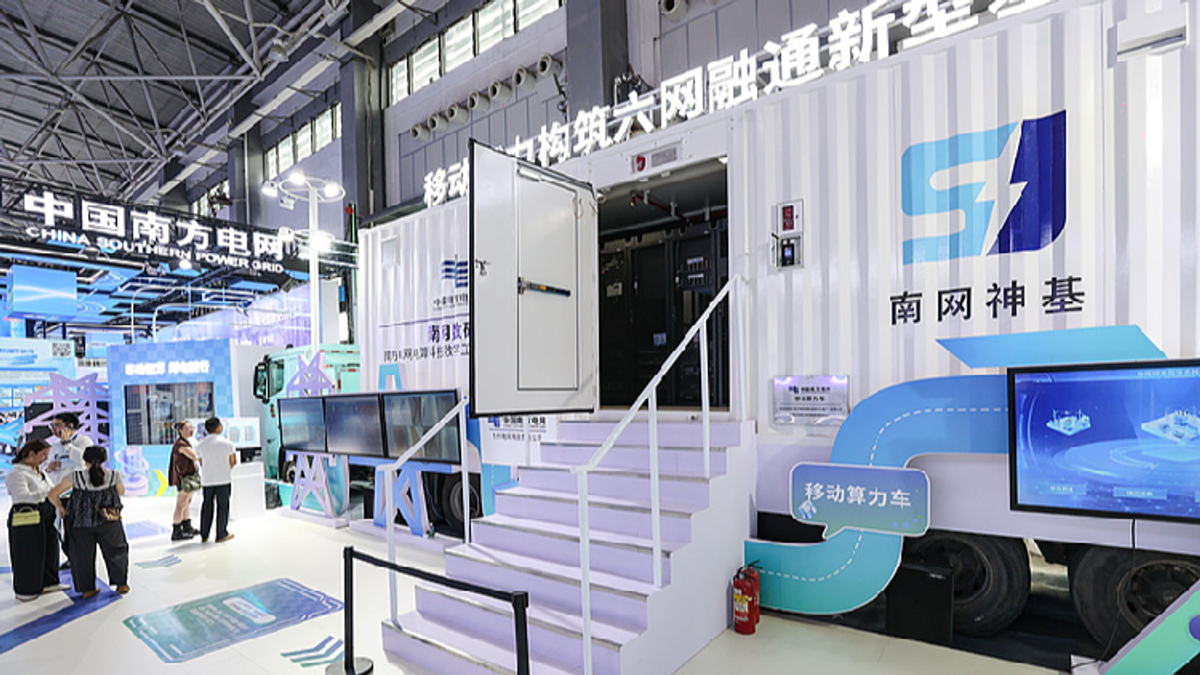
China's Southern Power Grid showcased an "AI‑native" electricity system at the 2026 APEC Economic Leaders' Meeting in Shenzhen. The demonstration highlighted a platform that lets operators plan grid expansion with natural‑language commands, matches AI‑intensive computing loads to periods of abundant renewable power, and promises to cut planning time from days to minutes. The rollout is framed as a joint APEC opportunity to blend green‑energy transition with the surging demand of artificial‑intelligence applications.
The push for an AI‑native grid sits at the intersection of three structural forces. First, China faces a dual imperative: meet its climate‑reduction pledges while supporting a domestic AI industry that the state earmarks as a strategic pillar of future growth. By embedding AI into grid operations, the power sector can optimise the dispatch of wind and solar, smoothing the intermittency that has traditionally limited renewable penetration.
Second, the six‑network coordination model—linking water, electricity, computing, communications, underground utilities and logistics—creates a bureaucratic incentive for central ministries to claim ownership of a new, high‑visibility infrastructure project. The model consolidates budgetary authority under national ministries, allowing them to justify large capital allocations that would otherwise be fragmented across provincial agencies.
Third, the APEC forum provides a diplomatic stage. By presenting the AI‑native grid as a regional cooperation platform, China can export its standards, lock in export markets for Chinese hardware and software, and subtly shape the regulatory playbook for neighbouring economies that are eager to modernise their own power systems.
The accelerated construction of high‑capacity transmission lines and substations often cuts through agricultural land. Farmers in provinces like Guizhou and Yunnan report loss of arable plots and delayed compensation, while the promised lower electricity tariffs arrive years later, if at all.
In megacities, AI‑driven demand‑response programs may prioritize large data centres over residential neighborhoods during peak renewable output. When the grid directs cheap solar power to AI clusters, households can be shifted to higher‑cost backup generation, nudging monthly bills upward.
The conversational AI tools that replace weeks of manual planning also reduce the need for junior engineers and technicians. Early‑career staff face fewer entry‑level positions, pushing them toward precarious gig work or forcing migration to other regions.
Chinese officials present the AI‑native grid as a climate solution, yet the underlying agenda includes exporting proprietary AI algorithms that embed Chinese data standards into foreign grids. By embedding these standards, China gains a foothold in the digital infrastructure of partner economies, a detail omitted from most press releases.
Pilot projects claim a 90% reduction in planning time, but they ignore the hidden expenses of integrating legacy equipment, training staff, and maintaining AI models that require continuous data labeling. These hidden costs are often absorbed by state‑owned utilities, whose balance sheets are not transparent to the public.
While the grid can shift loads to periods of high renewable generation, the actual increase in clean‑energy utilisation depends on the availability of storage and the willingness of data‑centre operators to curtail workloads. In practice, many AI firms purchase firm power contracts that lock in fossil‑fuel generation, diluting the touted green impact.
Watch for three signals in the coming months. First, the rollout of the E‑Hong platform beyond pilot zones; a rapid expansion would indicate that the model is being institutionalised at the national level. Second, any bilateral agreements signed at the APEC summit that tie grid upgrades to Chinese technology exports—these will reveal how the project is being leveraged as a diplomatic tool. Third, grassroots responses: protests over land acquisition or spikes in residential electricity bills will surface the human cost and could force policy adjustments.
The AI‑native grid is more than a technical upgrade; it is a nexus where climate ambition, digital sovereignty, and domestic power politics converge. Understanding who writes the code, who funds the lines, and who feels the price tag is essential for anyone watching the future of energy and AI in the region.
An AI‑native grid embeds artificial‑intelligence models directly into grid operations, allowing real‑time demand‑supply balancing, automated planning, and seamless coordination across infrastructure networks.
If the system prioritises large AI workloads during periods of abundant renewable power, residential users may be shifted to more expensive backup generation, potentially raising monthly bills.
APEC offers a multilateral platform for China to showcase the technology, attract regional partners, and set standards that could become exportable, extending its influence beyond domestic borders.
Editor's Note: Analysis based on publicly available statements and pilot project data; detailed cost figures remain opaque.
Source referenced: CGTN
This brief was synthesized by our Editorial Engine and reviewed by The Ground Narrative team.