TRENDING

Thursday, 5 November 2026
----------------------
25 Jumada Al-Awwal 1448 AH
Ueno Bank's midnight shutdown has left millions of Paraguayans without access to their money, sparking nationwide protests and exposing deep flaws in the country's financial oversight.
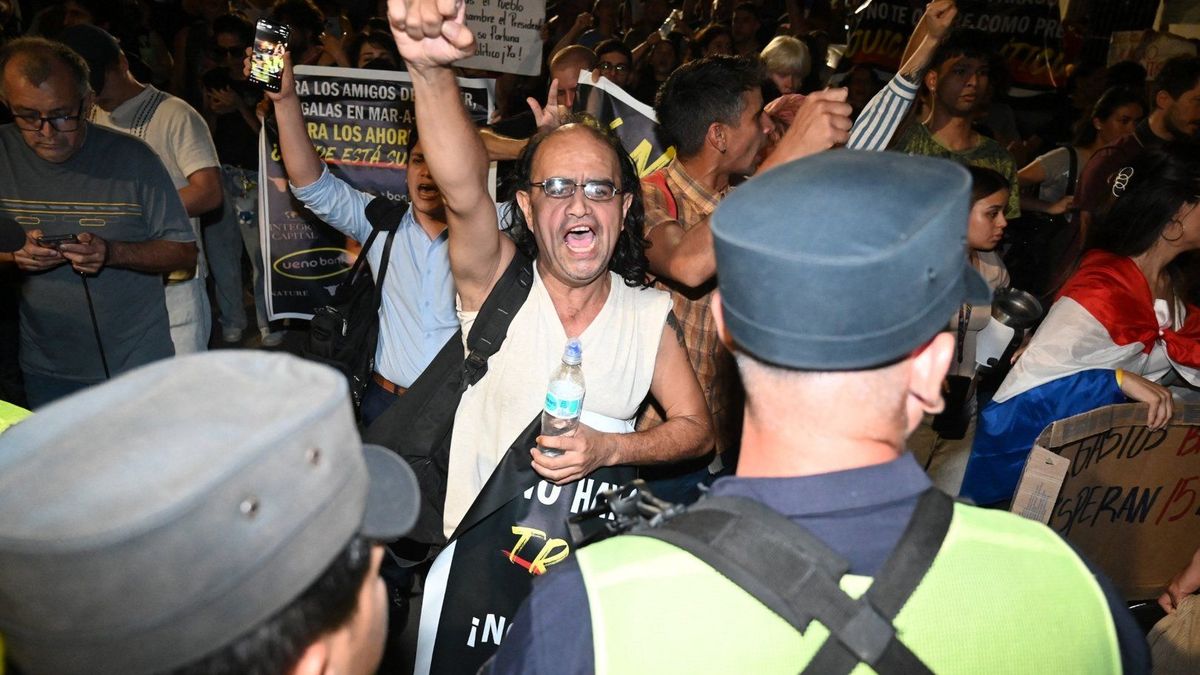
On the night of 4 November 2026, Ueno Bank—the nation’s largest private lender—was ordered to cease operations after regulators declared it insolvent. The move cut off access to accounts for an estimated 60 % of Paraguay’s adult population, effectively freezing half of the country’s savings in a single stroke. Within hours, streets in Asunción and regional cities filled with angry citizens demanding answers and their money.
The collapse did not happen in a vacuum; it is the product of decades‑long regulatory gaps, political patronage, and a fragile macro‑economic environment. First, Paraguay’s banking sector has historically been overseen by a thinly staffed central bank that lacks the technical capacity to enforce strict capital adequacy standards. This regulatory weakness allowed Ueno Bank to expand rapidly, leveraging high‑risk loans to politically connected agribusinesses without adequate collateral.
Second, the bank’s ownership structure ties directly to a network of influential families linked to the ruling Colorado Party. These elites have used the institution to funnel credit to their own enterprises, creating a de‑facto safety net that insulated them from market discipline. When the bank’s loan book began to sour—exacerbated by a sudden drop in soybean prices and a regional drought—political leaders were reluctant to intervene publicly, fearing exposure of their own financial entanglements.
Third, Paraguay’s reliance on external financing magnifies domestic vulnerabilities. The country’s sovereign debt is heavily weighted toward dollar‑denominated bonds, and the International Monetary Fund (IMF) has been pressuring the government to liberalize its financial sector. In exchange for a new tranche of support, the IMF encouraged deregulation that inadvertently opened the door for banks like Ueno to pursue aggressive growth strategies without commensurate oversight.
Finally, the broader geopolitical context cannot be ignored. Both China and the United States have been courting Paraguay for investment in infrastructure and agriculture. While China has financed several large‑scale irrigation projects, the United States has promoted private‑sector banking partnerships. The competition for influence has created a climate where domestic policymakers prioritize short‑term foreign capital inflows over long‑term financial stability.
In Asunción, daily wage earners who kept their salaries in Ueno suddenly found themselves unable to pay rent, buy food, or cover transport costs. Many have reported being evicted after missing a single month’s payment, a stark reminder that a banking crisis can quickly become a housing crisis.
Paraguay’s economy is heavily agricultural, and a large share of small‑scale farmers relied on Ueno for seasonal loans to purchase seeds and fertilizer. With those lines of credit vanished, planting cycles are delayed, threatening the upcoming harvest and the food security of entire provinces.
Family‑run shops, transport cooperatives, and informal market stalls that stored cash in the bank now face immediate insolvency. Without access to working capital, many are forced to close, leading to a cascade of job losses that will ripple through local economies for months.
A significant portion of Paraguay’s pension system is privately managed, with contributions held in commercial banks. The freeze means retirees cannot draw their monthly benefits, leaving them dependent on already strained social assistance programs.
Official statements from the Ministry of Finance have framed the collapse as an “isolated incident,” emphasizing that the rest of the banking system remains “sound.” This narrative omits the fact that Ueno accounted for roughly a third of total domestic deposits, meaning its failure threatens the entire sector’s stability.
Investigations into Ueno’s loan portfolio have been delayed, and key board members with direct ties to senior legislators have not been called to testify. By keeping these connections out of the public eye, the government minimizes the political fallout that could jeopardize upcoming elections.
While the IMF publicly urges transparency, private lenders from China and the United States have quietly increased their exposure to Paraguayan debt, betting on a post‑crisis restructuring that could yield high returns. Their involvement is rarely mentioned in official briefings, yet it shapes the policy choices the government can realistically make.
State‑affiliated broadcasters have limited coverage of the protests, focusing instead on “community solidarity” messages. Independent journalists reporting on the depth of the crisis have faced intimidation, suggesting an effort to contain the story before it fuels broader dissent.
The next weeks will reveal whether Paraguay can stabilize its financial system or spiral into a deeper crisis. Key indicators to monitor include:
- IMF negotiations: any conditionality tied to emergency funding could force unpopular austerity measures.
- Legislative response: whether the Colorado Party pushes through banking reform bills or attempts to shield implicated elites.
- Capital flight: a surge in dollar withdrawals or foreign exchange purchases would signal loss of confidence and could pressure the national currency.
- Protest dynamics: sustained street actions, especially in regional agricultural hubs, may force the government to declare a state of emergency or negotiate compensation.
- Regional ripple effects: neighboring Argentina and Brazil watch closely, as contagion fears could affect cross‑border trade and investment.
Observers should keep an eye on official statements for language that downplays systemic risk, and on any sudden shifts in foreign investment patterns that might hint at a strategic repositioning by external powers. The human cost will only become fully visible when the frozen accounts are finally reopened—or when they remain closed, reshaping Paraguay’s socioeconomic landscape for years to come.
Regulators found the bank insolvent after a surge in non‑performing loans tied to politically connected agribusinesses and a sharp drop in commodity prices, prompting an emergency shutdown.
The government can seek IMF emergency assistance, enact a deposit insurance scheme, or negotiate a restructuring with creditors, but each option carries political and economic trade‑offs.
Editor's Note: Analysis based on available reports; ongoing developments may alter the power dynamics described.
Source referenced: ALJAZEERA
This brief was synthesized by our Editorial Engine and reviewed by The Ground Narrative team.


