TRENDING

Thursday, 5 November 2026
----------------------
25 Jumada Al-Awwal 1448 AH
A US‑backed LNG venture in Karachi signals a dramatic shift in Washington’s approach to Islamabad, but the deal rides on a fragile political bargain. Ordinary Pakistanis and regional markets stand to feel the real impact.
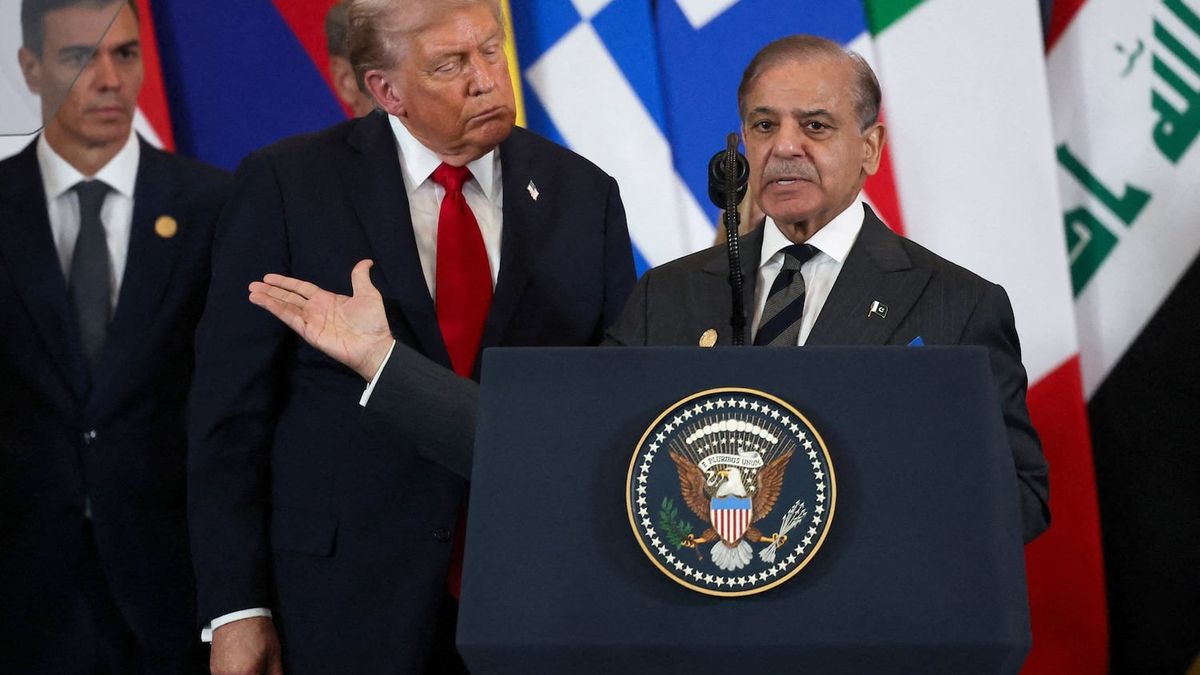
A consortium of American firms announced a $4.4 billion liquefied natural gas (LNG) project for Port Qasim near Karachi, promising Pakistan its first large‑scale storage terminal and a 680‑mile delivery pipeline. The plan is backed by the U.S. Trade and Development Agency, the U.S. International Development Finance Corp, and the Export‑Import Bank of the United States, marking the most ambitious commercial push from the Trump administration toward Islamabad.
President Donald Trump has framed the deal as a win‑win for American industry and a sign of renewed friendship with Pakistan. With the 2026 midterms delivering a Democratic Congress, the administration seeks a visible foreign‑policy success that can be touted in campaign ads and used to counter criticism over the Afghanistan withdrawal. The LNG project also dovetails with Trump’s broader agenda of expanding U.S. energy exports to reduce global reliance on Russian gas.
Pakistan, still reeling from balance‑of‑payments crises and soaring energy costs, sees the LNG terminal as a hedge against volatile global markets. By securing a domestic storage hub, the government hopes to stabilise electricity prices, attract foreign investment, and leverage the project to negotiate better terms on critical minerals and cryptocurrency regulation—areas where the U.S. has recently expressed interest.
The consortium includes firms linked to Trump’s family and close allies, creating a direct financial incentive for the president to push the deal through. Their lobbying arms have emphasized job creation narratives, while quietly counting on the project’s long‑term revenue streams to offset any political risk.
If the terminal stalls or the pipeline faces delays, Pakistani households could endure higher fuel bills for years, eroding already thin disposable incomes. Construction workers on the site—many from low‑skill backgrounds—face precarious employment, limited safety standards, and the threat of sudden layoffs if U.S. funding is withdrawn after the election.
Large‑scale LNG storage carries risks of leaks, methane emissions, and water contamination for coastal communities around Karachi. Local fishermen, already squeezed by overfishing and pollution, could lose access to traditional fishing grounds, deepening food‑security concerns.
The Export‑Import Bank and development agencies are leveraging government guarantees to de‑risk private capital. Should the project underperform, the U.S. Treasury could absorb losses, effectively shifting part of the financial burden onto American taxpayers.
While officials publicly stress “energy security” for Pakistan, they rarely disclose the extent to which the deal benefits companies tied to the president’s inner circle. This omission obscures a conflict of interest that could shape policy decisions more than strategic considerations.
Democratic leaders have pledged tighter scrutiny of overseas aid and export‑credit programs, but the rapid rollout of the LNG project has left little time for thorough hearings. The administration’s framing of the venture as a “national security” priority sidesteps the usual budgetary checks that would expose cost overruns.
Washington’s push for Pakistan to import U.S. goods masks a deeper interest in the country’s untapped critical‑mineral deposits and its burgeoning crypto‑exchange ecosystem. By positioning energy as the entry point, the U.S. can later negotiate access to these strategic assets under the guise of technical assistance.
The next few months will reveal whether the LNG project survives the transition to a Democratic Congress. Key indicators include: (1) any legislative hearings on Export‑Import Bank guarantees; (2) shifts in Pakistani procurement policy after the 2027 general election; and (3) the emergence of local opposition movements in Karachi’s coastal districts, which could force a renegotiation of environmental safeguards. Observers should also monitor how the deal influences broader U.S. energy diplomacy in South Asia, especially as China expands its own gas infrastructure in the region.
The US sees the project as a way to open new markets for American energy firms, reduce global reliance on Russian gas, and gain leverage over Pakistan’s critical‑mineral and crypto sectors.
Democratic oversight could tighten export‑credit guarantees, demand stricter environmental reviews, or even halt funding, jeopardizing the timeline and financial viability of the LNG terminal.
If successful, it could lower fuel prices, but delays or cost overruns may raise electricity bills, while construction jobs remain insecure and coastal communities risk environmental damage.
Editor's Note: Analysis based on publicly available reports and expert commentary; some corporate linkages remain under investigation.
Source referenced: FOREIGNPOLICY
This brief was synthesized by our Editorial Engine and reviewed by The Ground Narrative team.


