TRENDING

Friday, 6 November 2026
----------------------
26 Jumada Al-Awwal 1448 AH
Morocco’s new head of government, Fatima Ezzahra Mansouri, marks a historic first for Arab politics, but her real influence hinges on entrenched royal power and a restless youth. The coming months will test whether symbolism translates into tangible change.
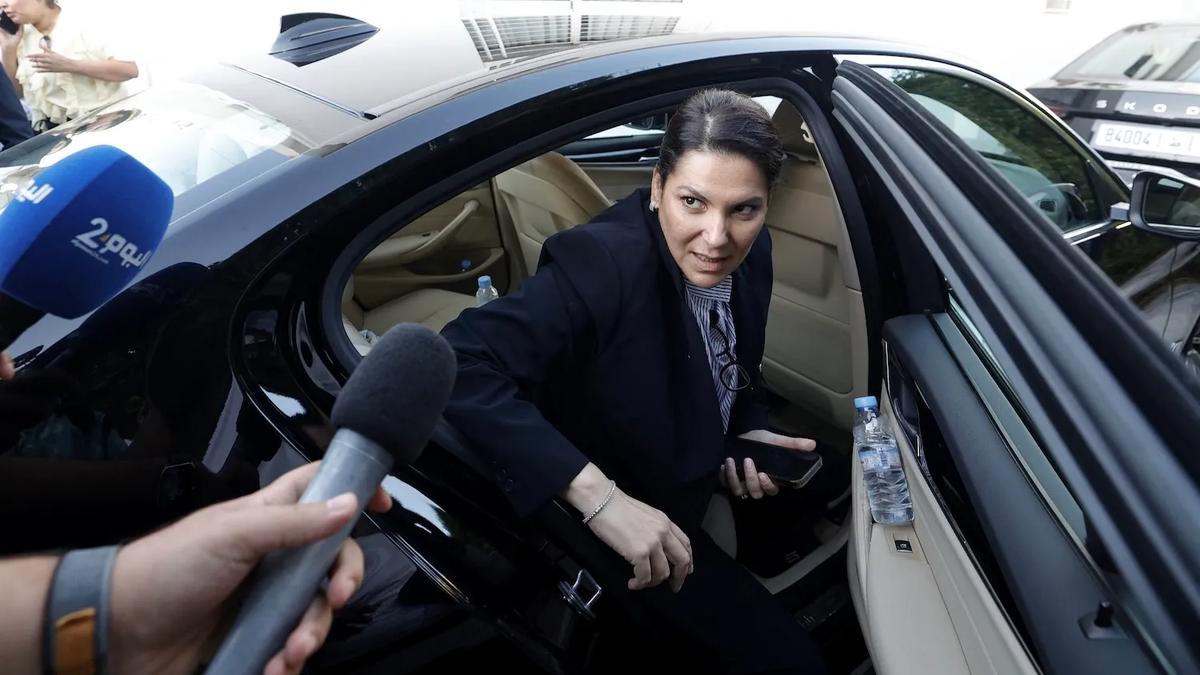
On 29 September 2026 King Mohammed VI appointed Fatima Ezzahra Mansouri as Morocco’s head of government, making the kingdom the second Arab state after Tunisia to install a woman at the executive’s helm. The appointment followed a September 23 election that saw a record 62 % abstention rate, reflecting deep voter disengagement.
The Moroccan political system is a hybrid of constitutional monarchy and party politics, but real authority still rests with the throne. The 2011 constitution, drafted after the February 20 Movement, nominally shifted executive power to the head of government and parliament, yet the king retains control over the ministries of interior, foreign affairs, and the armed forces. This duality creates a structural ceiling for any prime minister, regardless of gender.
Authenticity and Modernity Party (PAM), founded in 2008 by royal advisor Fouad Ali El Himma, operates as the palace’s preferred civilian vehicle. PAM’s 97‑seat win in the latest parliament forced it into a coalition, but the party’s proximity to the palace means its policy agenda is often pre‑approved by the monarch. Mansouri, a three‑time leader within PAM and former mayor of Marrakech, is therefore both a product of and a conduit for this elite network.
Economic considerations further shape the power calculus. Morocco’s GDP growth hovers around 4 %, buoyed by tourism, automotive exports, and a looming co‑hosting role for the 2030 FIFA World Cup. However, the government’s budget allocation heavily favors stadium construction and related infrastructure, a priority that aligns with the monarchy’s soft‑power ambitions on the global stage. The fiscal emphasis on sport over social services tightens the leash on any reformist agenda Mansouri might pursue.
The youth‑led Gen Z 212 protests that erupted last fall added another layer. Demonstrators demanded redirected spending toward education and health, exposing a generational fault line. The state’s response—mass arrests and over 2,500 prosecutions—signaled that security apparatuses remain loyal to the king, not to the civilian government. Mansouri inherits a coalition that must balance these security imperatives with the public’s clamor for change.
Morocco’s 15‑24 age group faces a 30 % unemployment rate, with three million classified as NEET (Not in Employment, Education, or Training). The lack of decent jobs fuels a steady stream of irregular migration, illustrated by the July exodus of over 70,000 Moroccans toward the Spanish enclave of Ceuta, many of whom perished or were returned under harsh conditions. These statistics underscore that the abstract notion of “growth” does not reach the country’s youngest citizens.
The Moudawana—Morocco’s family status law—governs marriage, divorce, child custody, and inheritance. Its 2004 revision sparked fierce debate, and a new overhaul is on the table, promising greater gender parity in divorce proceedings and inheritance shares. Conservative religious parties and the Justice and Development Party (JDP), though weakened, remain vocal opponents. Any shift in the Moudawana will directly affect millions of women, determining whether they can claim equal rights within the household.
Following the Gen Z 212 protests, at least 580 detainees remain incarcerated, according to the Moroccan Association of Human Rights (AMDH). Families of the imprisoned endure legal uncertainty, loss of income, and social stigma. The crackdown illustrates how political dissent translates into personal hardship, reinforcing a climate of fear that discourages collective action.
Official narratives celebrate Mansouri’s historic appointment, but they downplay the monarch’s decisive role in policy direction. King Mohammed VI still appoints the interior and foreign ministers, controls the armed forces, and can dissolve parliament. This concentration of power means that any substantive reform—especially on the Moudawana—requires the king’s tacit or explicit approval. The public rarely sees this behind‑the‑scenes negotiation, leading to an overestimation of the head of government’s autonomy.
While PAM brands itself as a modernist, reform‑oriented party, its origins lie in a royal strategy to counterbalance Islamist influence. The party’s funding streams, media access, and elite patronage are largely channeled through palace‑linked networks. Consequently, the party’s policy proposals often reflect the monarchy’s long‑term stability goals rather than popular demand, a nuance omitted from most press releases.
The appointment of a woman to the top executive slot is framed as a breakthrough for gender equality. Yet only six of the 32 ministers in the new cabinet are women, and Mansouri herself has not positioned herself as a vocal feminist champion. Critics argue that the symbolism masks deeper issues—corruption, lack of judicial independence, and limited parliamentary oversight. By focusing on the gender milestone, the state diverts attention from these systemic problems.
Co‑hosting the 2030 FIFA tournament promises international prestige and short‑term construction jobs, but the long‑term fiscal burden falls on ordinary citizens. Stadium projects have already displaced low‑income neighborhoods in Marrakech and Casablanca, inflating housing costs for families already struggling with a 4 % inflation rate. The government’s public budgeting documents rarely itemize these social externalities, presenting the World Cup as an unalloyed benefit.
In the coming months, three developments will signal whether Mansouri’s tenure transcends symbolism. First, the parliamentary debate on the Moudawana reform will reveal the king’s willingness to endorse gender‑forward legislation; any amendment that softens inheritance equality will likely indicate a ceiling to change. Second, the allocation of World Cup funds—particularly whether any portion is redirected to education or health—will test the coalition’s responsiveness to Gen Z 212 demands. Finally, the treatment of detained activists, especially any high‑profile releases or trials, will expose the balance of power between security forces loyal to the throne and a civilian government seeking legitimacy.
Observers should monitor statements from the royal palace, PAM’s legislative proposals, and grassroots mobilizations in urban centers like Marrakech and Rabat. The interplay of these actors will determine whether Morocco’s historic first woman leader becomes a catalyst for deeper reform or remains a carefully curated image for both domestic audiences and the international community.
The head of government manages day‑to‑day administration and can propose legislation, but the king retains control over the interior, foreign affairs, and the armed forces, limiting independent decision‑making.
Reforms could grant women greater rights in divorce and inheritance, but conservative opposition may dilute changes, meaning the real impact will depend on how far the king and parliament are willing to go.
Source referenced: FOREIGNPOLICY
This brief was synthesized by our Editorial Engine and reviewed by The Ground Narrative team.