TRENDING

Friday, 18 September 2026
----------------------
7 Rabi' Al-Thani 1448 AH
Russian anti-war politician Boris Nadezhdin has fled the country after being designated a 'foreign agent' and disqualified from running in a parliamentary election. His departure marks the loss of another prominent opposition voice in a country where dissent is increasingly being crushed. As Nadezhdin's case highlights, the human cost of Russia's war in Ukraine is not just limited to the battlefield, but also to the freedoms of its own citizens.
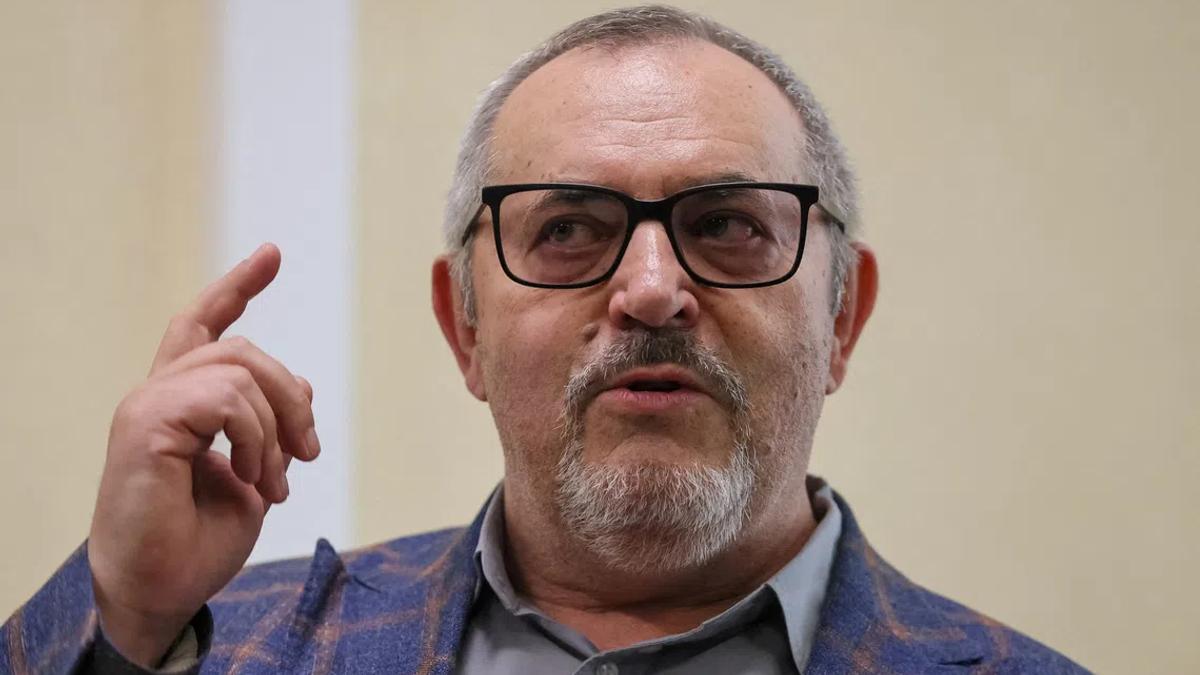
Russian anti-war politician Boris Nadezhdin has announced that he has left the country, weeks after being designated a 'foreign agent' by the Moscow authorities. This move has disqualified him from running in a parliamentary election and has effectively silenced another prominent opposition voice in Russia.
Nadezhdin's departure is a result of the Kremlin's tightening grip on dissent in Russia. Since the start of the war in Ukraine in 2022, the Russian government has clamped down on any form of opposition, accusing critics of being 'foreign agents' and a threat to national unity. This has led to a situation where most critics of President Vladimir Putin are either in jail or in exile. The 'foreign agent' label is a powerful tool used by the authorities to discredit and silence opponents, and Nadezhdin's case is just the latest example of this.
The human cost of Russia's war on dissent is significant. Not only are opposition politicians like Nadezhdin being forced into exile, but ordinary citizens are also facing repression and censorship. The Kremlin's crackdown on dissent has created a climate of fear, where people are reluctant to speak out against the government or its policies. This has a profound impact on the lives of Russians, who are being denied their basic freedoms and rights. As Nadezhdin's case shows, even those who try to work within the system to bring about change are being pushed out, leaving many to wonder if there is any space left for dissent in Russia.
What the Russian government is downplaying is the extent to which its actions are undermining the very foundations of democracy in the country. By silencing opposition voices and cracking down on dissent, the Kremlin is creating a power vacuum that can only be filled by more authoritarianism. The international community is also being misled about the true nature of the Russian government's actions, with the Kremlin presenting its repression of dissent as a necessary measure to protect national unity. However, the reality is that this is a deliberate attempt to suppress any form of opposition and maintain the Kremlin's grip on power.
As the situation in Russia continues to deteriorate, it is essential to watch for any further signs of the Kremlin's crackdown on dissent. The international community must also pay attention to the plight of Russian opposition politicians like Nadezhdin, who are being forced into exile. The Russian government's actions have significant implications for the country's future, and it is crucial to monitor the situation closely to understand the full extent of the human cost of its war on dissent.
Editor's Note: The analysis is based on publicly available information and may not reflect the full complexity of the situation in Russia.
Source referenced: STRAITSTIMES
This brief was synthesized by our Editorial Engine and reviewed by The Ground Narrative team.


