TRENDING

Thursday, 5 November 2026
----------------------
25 Jumada Al-Awwal 1448 AH
Midterm elections have handed Democrats control of Congress, setting the stage for a legislative showdown over presidential trade powers. Voters, citing economic pain from tariffs, have empowered lawmakers to reclaim authority over trade policy.
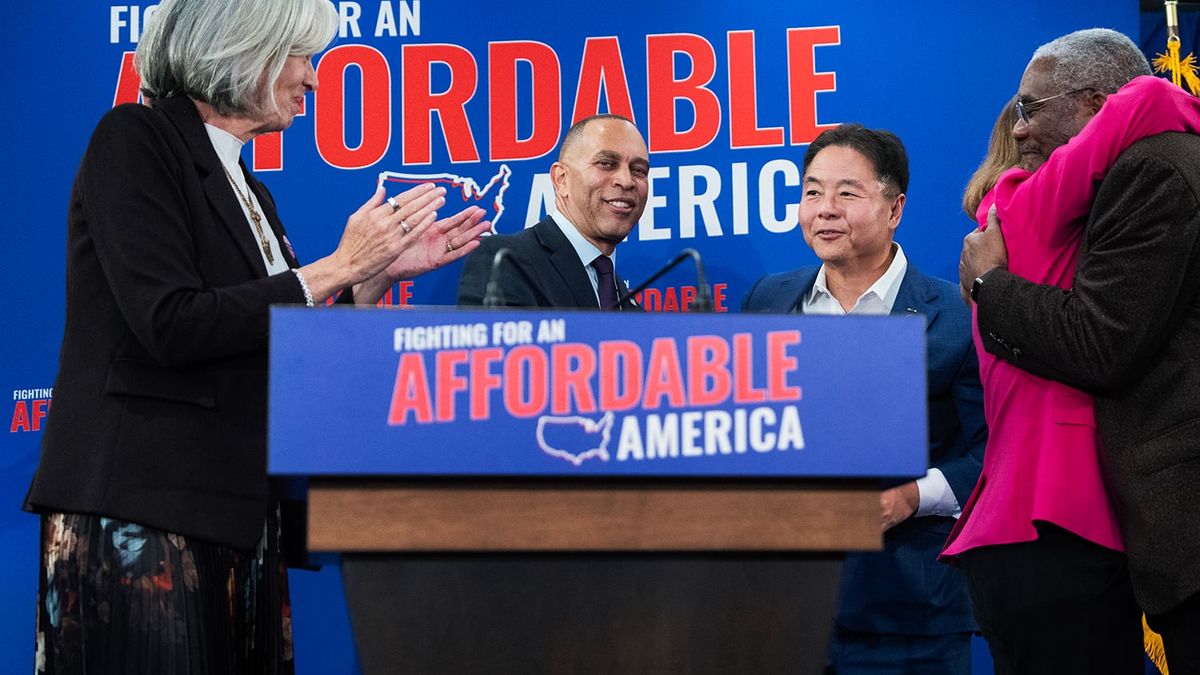
Following the United States midterm elections in November 2026, the political landscape has dramatically shifted, with Democrats securing a commanding majority in both chambers of Congress. This electoral outcome is largely attributed to widespread voter dissatisfaction with the economic impact of President Donald Trump's trade policies, particularly his extensive use of tariffs. For two years, these tariffs, applied to both allies and adversaries, have been linked to stubbornly high inflation and increased consumer prices, making affordability a central concern for the electorate. Now, with a unified legislative branch and a clear mandate from voters, Congress is poised to challenge and potentially claw back the unilateral trade authority that the executive branch has exercised, setting the stage for a significant internal power struggle over the future of American trade policy.
At the heart of this unfolding drama is a fundamental constitutional tug-of-war between the executive and legislative branches over the power to regulate commerce and levy taxes. Historically, Congress, which holds explicit constitutional authority over trade, began delegating significant powers to the President following the disastrous Smoot-Hawley Tariff Act of 1930. This delegation aimed to provide the executive with agility in foreign policy and prevent the legislative gridlock that had previously hampered trade negotiations. However, under President Trump, this delegated authority has been used expansively, transforming the President's office into a formidable trade weapon.
President Trump has heavily relied on statutes like Section 232 of the 1962 Trade Expansion Act, which permits tariffs on national security grounds, and Section 301 of the 1974 Trade Act, allowing action against countries discriminating against U.S. commerce. His administration has stretched the interpretation of “national security” to include items as diverse as bathroom fittings and lumber, and used Section 301 against nearly all U.S. trading partners, citing issues like slave labor. These broad interpretations have allowed the executive to impose tariffs unilaterally, bypassing direct congressional approval and often operating outside World Trade Organization (WTO) norms.
The recent midterm elections have fundamentally altered the power calculus. A unified Democratic Congress, no longer constrained by a split legislature or the need to appease a president from their own party, now has the political will and legislative capacity to act. The widespread public discontent over inflation and economic pain directly linked to tariffs provides a strong mandate for lawmakers to reclaim their institutional power. Even some Republicans, particularly those from border states affected by tariffs on Canada (imposed under the rarely used Section 338), may find common ground with Democrats in curbing presidential overreach. This bipartisan discomfort with the executive's expansive trade powers creates an opening for legislative action that previously failed during earlier, more timid attempts.
The incentives are clear: for Congress, it's about responding to voter concerns, reasserting constitutional checks and balances, and restoring institutional prestige. For the President, while he has historically championed unilateral tariff action, his suggestion of not wanting to spend his remaining term
Presidential tariffs are unpopular because they often lead to higher prices for domestic consumers and businesses, contributing to inflation, rather than solely taxing foreign entities. Voters in the recent midterm elections cited economic pain and affordability concerns directly linked to these tariffs.
Congress is seeking to reassert its constitutional authority over trade and taxation, which it has historically delegated to the executive branch. Lawmakers aim to curb the president's unilateral ability to impose tariffs under broad interpretations of existing statutes, restoring legislative oversight.
Tariffs directly impact ordinary Americans by increasing the cost of imported goods, which translates into higher consumer prices and contributes to inflation. This erodes household purchasing power, creates economic uncertainty for businesses, and can lead to job insecurity in affected sectors.
Editor's Note: Analysis is based on a hypothetical future scenario (November 2026 midterms, Trump's second term) as described in the raw intelligence provided.
Source referenced: FOREIGNPOLICY
This brief was synthesized by our Editorial Engine and reviewed by The Ground Narrative team.


