TRENDING

Thursday, 5 November 2026
----------------------
25 Jumada Al-Awwal 1448 AH
Democrats reclaimed both chambers of Congress just as Ukraine braces for a harsh winter. Citizens on Kyiv streets weigh hope against daily survival.
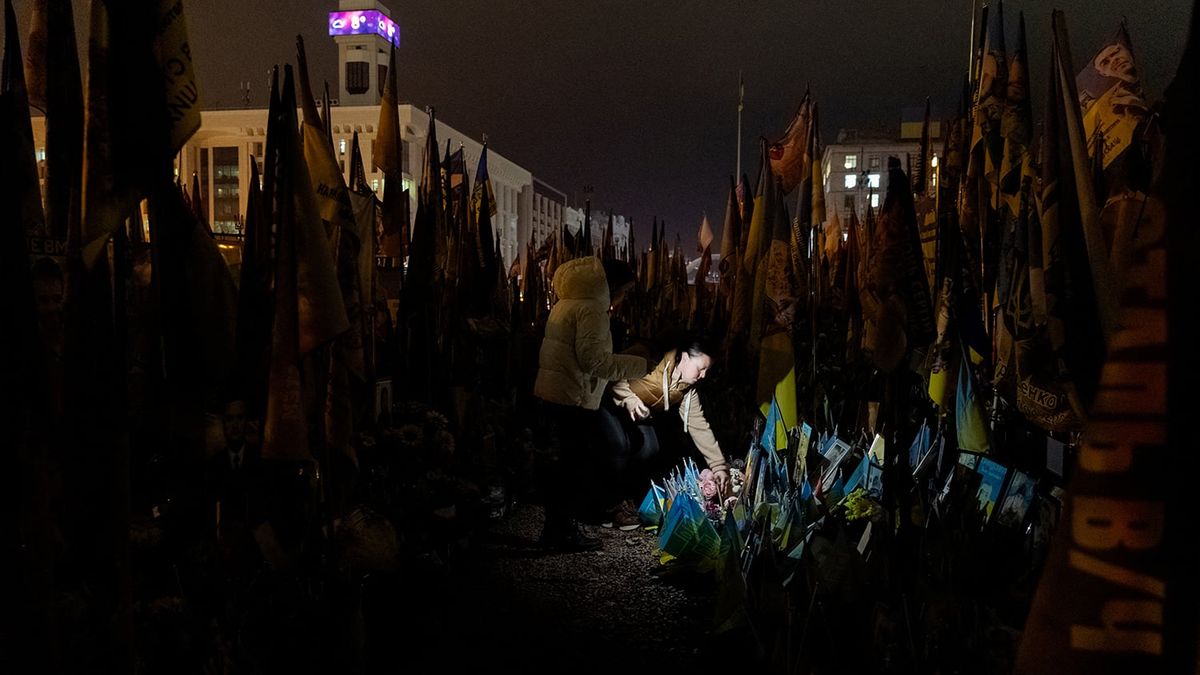
The November 2026 U.S. midterm elections handed Democrats control of the Senate and the House, ending two years of split congressional leadership. In Kyiv, the result was met with cautious optimism, but the city was still grappling with rolling blackouts, water cuts, and a recent Russian strike on a humanitarian hub that left dozens dead. While the political shift in Washington sparked talk of renewed support, Ukrainians on the ground were more concerned with keeping the lights on and staying warm.
The new congressional makeup reshapes several intersecting incentives. First, Democrats face a domestic pressure to deliver on foreign‑policy promises made during the 2024 presidential campaign, especially the pledge to sustain robust aid to Ukraine. Failure to do so would provide ammunition for the opposition and erode voter confidence ahead of the 2028 presidential race. Second, the Republican‑led White House, still under Trump, must navigate a Congress that can now block or reshape any executive‑branch aid packages, forcing the administration to negotiate rather than dictate terms.
Economic trade‑offs also play a decisive role. The $2.1 billion Patriot missile sale, already approved by the Trump administration, is financed by Canada, Norway, and Germany. With Democrats in Congress, the likelihood of additional appropriations—especially for energy resilience and reconstruction—rises, but it also opens a debate over fiscal priorities amid rising U.S. debt. Military doctrine adds another layer: Russia has intensified hybrid warfare, targeting power grids and water infrastructure to erode public morale. For Ukraine, securing a steady flow of advanced air‑defense systems like the Patriot is essential to protect critical nodes, yet delivery timelines remain uncertain.
Alliance math further complicates the picture. NATO members are watching the U.S. congressional shift to gauge the durability of the transatlantic security umbrella. European capitals, especially Germany and France, have signaled willingness to fund reconstruction, but they too must balance domestic political constraints. The upcoming European Commission meeting, which will host Ukraine, the U.S., and other allies, becomes a litmus test for coordinated post‑war security guarantees.
Finally, political survival for Zelensky hinges on translating foreign goodwill into tangible improvements for his citizens. The Ukrainian president’s public statements linking Russian attacks to the timing of U.S. elections underscore a strategic narrative: if the U.S. notices and reacts, it validates Kyiv’s diplomatic outreach and bolsters Zelensky’s standing at home.
Winter in Ukraine is already brutal; the added strain of systematic power outages pushes families into a daily calculus of survival. In a downtown Kyiv café, a diesel generator has been humming nonstop for eight hours, while patrons line up for rented power packs. Residents like Yulia, who declined a surname, voice a simple demand: "water, electricity, and no war." The loss of municipal services forces citizens to rely on public fountains for drinking water and on makeshift heating solutions that increase fuel consumption and indoor air pollution.
On Monday, Russian forces bombed a civilian‑focused humanitarian hub in the Zaporizhzhia region, killing at least 40 people and leaving dozens missing. The strike, one of the deadliest since the conflict began, not only deepened the trauma of families but also crippled the delivery of food, medicine, and winter clothing to an already vulnerable population. Rescue teams work amid rubble, their efforts hampered by intermittent electricity and the threat of further attacks.
Small enterprises, from street vendors to family‑run cafés, face a double bind: reduced consumer spending due to rising living costs and the operational burden of generator fuel, which can consume up to 30 % of a modest profit margin. Maxim Yersigngeyev, who brought his daughter to a café because of a blackout at home, illustrates how ordinary citizens juggle parental responsibilities with the uncertainty of basic services.
Beyond the physical hardships, the relentless cycle of attacks erodes mental health. Residents report heightened anxiety, especially as the winter months limit outdoor social interaction. The constant need to monitor emergency alerts and the fear of sudden infrastructure collapse create a pervasive sense of insecurity that can linger long after the conflict subsides.
Official statements from the U.S. State Department emphasize a “continued commitment” to Ukraine, but they downplay the timing of aid approvals and the bureaucratic bottlenecks that delay delivery. While the Patriot missile sale is highlighted as a decisive move, the narrative glosses over the fact that the weapons could take “several years” to reach the front lines, a timeline that starkly contrasts with the immediacy of winter needs.
European leaders publicly pledge billions for reconstruction, yet the allocation mechanisms remain opaque. The European Commission’s upcoming summit will discuss post‑war guarantees, but details on how funds will be earmarked for energy infrastructure versus administrative overhead are scarce. This lack of transparency makes it difficult for Ukrainian NGOs to plan long‑term projects.
Russia frames the U.S. elections as a distraction, suggesting that Western powers are preoccupied with domestic politics while Kyiv suffers. State‑run media amplify the narrative that the U.S. will “notice nothing,” aiming to sow doubt among Ukrainians about the reliability of their allies. This propaganda seeks to weaken morale and undermine the perceived value of foreign assistance.
Within Congress, some Democratic lawmakers view Ukraine aid as a lever to pressure the Trump administration on broader foreign‑policy issues, such as trade with China or climate commitments. This instrumentalization can lead to aid being bundled with unrelated policy demands, potentially delaying pure humanitarian assistance.
The coming weeks will reveal whether the new Democratic majority can translate rhetoric into concrete funding for Ukraine’s energy grid before the first deep freeze. Key indicators include: (1) the speed of supplemental appropriations for generators and water infrastructure; (2) the timeline for Patriot missile components to be shipped and integrated; and (3) the outcomes of the European Commission summit, especially any binding agreements on reconstruction financing.
Equally important is the diplomatic choreography surrounding the Abu Dhabi talks slated for next month, where U.S. envoy Steve Witkoff will mediate between Kyiv and Moscow. The tone and substance of those negotiations will signal whether the U.S. is prepared to act as a genuine broker or merely a peripheral observer.
Finally, watch for shifts in Russian targeting patterns. An uptick in attacks on civilian utilities during the election cycle could indicate a calculated effort to exploit perceived Western distraction, while a de‑escalation might suggest that the new congressional composition is already influencing Kremlin calculations.
Staying attuned to these dynamics will help ordinary citizens—both in Ukraine and abroad—understand how high‑level political changes translate into the daily realities of heat, light, and safety on the ground.
Democrats are likely to push for additional appropriations, especially for air‑defense systems, but legislative negotiations could delay actual deliveries, meaning aid may not arrive before the harsh winter.
The most urgent needs are reliable electricity, safe drinking water, heating fuel, and medical supplies, all of which are threatened by ongoing Russian attacks on infrastructure.
Source referenced: FOREIGNPOLICY
This brief was synthesized by our Editorial Engine and reviewed by The Ground Narrative team.