TRENDING

Thursday, 5 November 2026
----------------------
25 Jumada Al-Awwal 1448 AH
A Russian air strike on a school used as an aid hub in Zaporizhia killed 40 people, including rescuers and civilians. The incident exposes the stark calculus of war and the limited response from global powers.
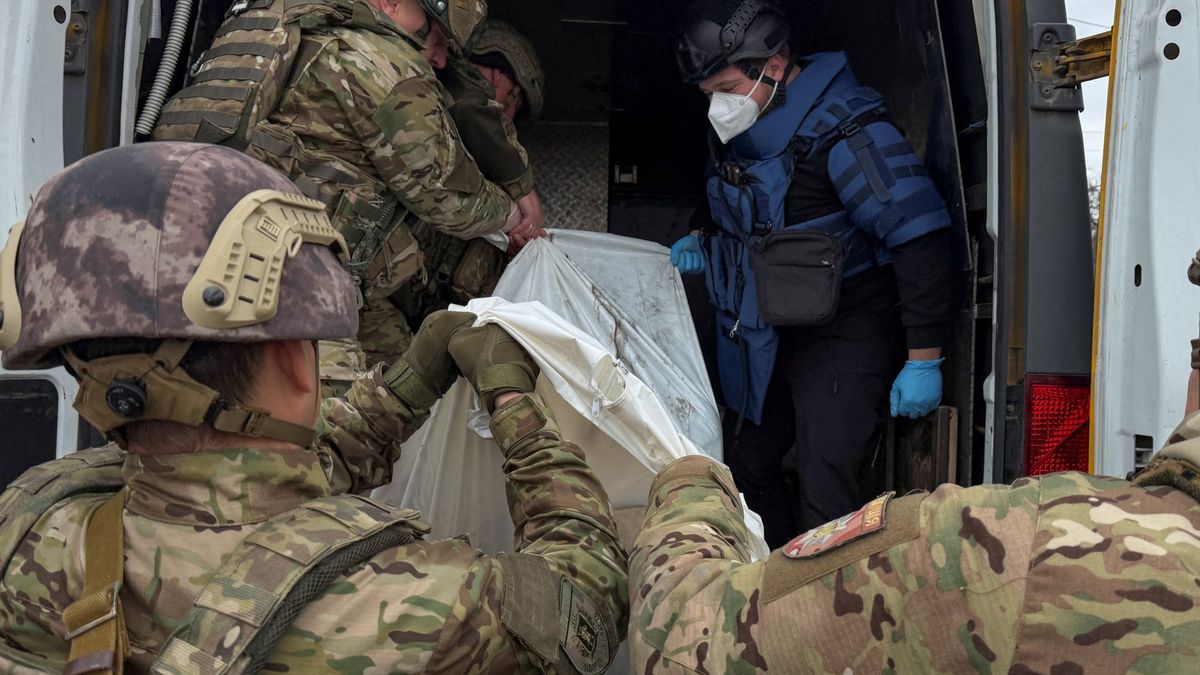
On November 4, 2026, a Russian air raid hit a school in the village of Komyshuvakha, Zaporizhia region, which had been repurposed as a humanitarian aid distribution point and an underground shelter. Initial reports listed 37 dead; Ukrainian authorities later raised the figure to 40, noting that more bodies may still be trapped under the rubble. The strike came just days before U.S.-brokered cease‑fire talks scheduled for Abu Dhabi.
The attack cannot be read merely as a tactical mistake; it reflects a layered set of incentives that bind the belligerents.
- Strategic signaling – By targeting a civilian‑focused facility, Russia sends a message that any de‑escalation effort will be met with force, preserving its domestic narrative of unwavering resolve. The timing, on the eve of peace talks, underscores a desire to extract concessions without appearing to back down.
- Political survival – President Vladimir Putin faces a tightening domestic front where war fatigue is rising. Demonstrating that the Russian military can still strike deep inside contested zones helps sustain the image of control and deters internal critics.
- Negotiation leverage – For Ukraine, the tragedy amplifies its moral appeal to the United States and European allies, pressuring them to adopt a tougher stance. President Volodymyr Zelenskyy has repeatedly framed civilian casualties as a barometer of international commitment.
- Alliance math – The United States, while championing a cease‑fire, must balance its own strategic interests in Europe, energy security, and the looming 2026 mid‑term elections. A strong response could risk escalation, yet a muted reaction may embolden further attacks.
- Economic trade‑offs – The Zaporizhia region is a grain‑export corridor; any prolonged disruption threatens global food markets, a lever that both Moscow and Kyiv can wield in diplomatic circles.
The village’s population, already strained by years of frontline proximity, lost dozens of relatives in a single afternoon. Survivors describe a scene of shattered classrooms, personal belongings scattered among crumbling walls, and an overwhelming sense of abandonment as rescue drones struggled to locate victims.
Four police officers and two members of a volunteer rescue crew perished while ushering civilians into the underground shelter. Their body‑camera footage, later released by Ukrainian police, captured the moment a warning of incoming guided bombs was received, followed by a sudden, deafening silence. These first‑responders, many of whom are local residents, now join a growing list of civilian heroes paying the ultimate price.
The school doubled as a distribution hub for food, medicine, and winter heating supplies. Its destruction has forced aid agencies to reroute shipments, delaying assistance to thousands of displaced families across Zaporizhia and neighboring oblasts. The ripple effect threatens to exacerbate winter shortages, especially for the elderly and children who rely on the center for daily meals.
While President Zelenskyy condemned the strike as a “vile terrorist act,” major Western capitals issued brief statements that stopped short of labeling the incident a war crime. The United Nations human‑rights mission noted probable violations of international law, but concrete punitive measures remain absent. This muted tone reflects a broader reluctance to jeopardize the fragile diplomatic channel that could lead to a cease‑fire.
Russian state media portrayed the strike as a legitimate strike on a “military‑grade target,” emphasizing the presence of alleged combatants inside the shelter. Ukrainian outlets highlighted civilian suffering, often sharing the harrowing body‑camera clip. The divergent narratives shape public perception, with international audiences receiving a filtered version that downplays the scale of civilian loss.
International humanitarian law clearly protects civilian structures, yet enforcement mechanisms are weak. The lack of an independent investigative body on the ground means that evidence collection is fragmented, and the perpetrators remain shielded by diplomatic immunity. This legal vacuum allows both sides to continue operating under the assumption that accountability is unlikely.
- Cease‑fire negotiations in Abu Dhabi – Observe whether the Zaporizhia tragedy is referenced in the talks and if it influences the bargaining positions of Kyiv and Moscow.
- U.S. congressional response – Upcoming hearings on Ukraine aid could reveal whether the incident spurs a shift in funding or a tougher stance toward Russia.
- Humanitarian logistics – Track how aid agencies reconfigure supply routes in Zaporizhia; disruptions may signal broader strategic pressure on grain exports.
- Information warfare – Monitor the spread of the body‑camera footage and subsequent narratives on social platforms; the battle for the story often predicts the next diplomatic move.
- Legal initiatives – Watch for any moves by the International Criminal Court or other tribunals to launch formal inquiries, which could add pressure on Moscow in the diplomatic arena.
The coming weeks will reveal whether the loss of 40 lives becomes a catalyst for meaningful change or another footnote in a protracted conflict where power calculations routinely eclipse human tragedy.
Russia framed the school as a legitimate military target, claiming it housed combatants. Analysts see the strike as a strategic signal to undermine upcoming cease‑fire talks and maintain pressure on Kyiv.
The attack raises the stakes for both sides; Ukraine may demand stronger guarantees for civilian protection, while Russia could use the incident to justify harsher terms. International mediators will have to address the humanitarian fallout to keep talks viable.
Source referenced: ALJAZEERA
This brief was synthesized by our Editorial Engine and reviewed by The Ground Narrative team.


