TRENDING

Thursday, 5 November 2026
----------------------
25 Jumada Al-Awwal 1448 AH
A new wave of progressive candidates has made significant inroads in recent US midterm elections, signaling a direct challenge to the nation's long-standing economic consensus. Facing a persistent cost-of-living crisis and growing disillusionment, American voters are increasingly open to ideas once considered on the fringes of political discourse.
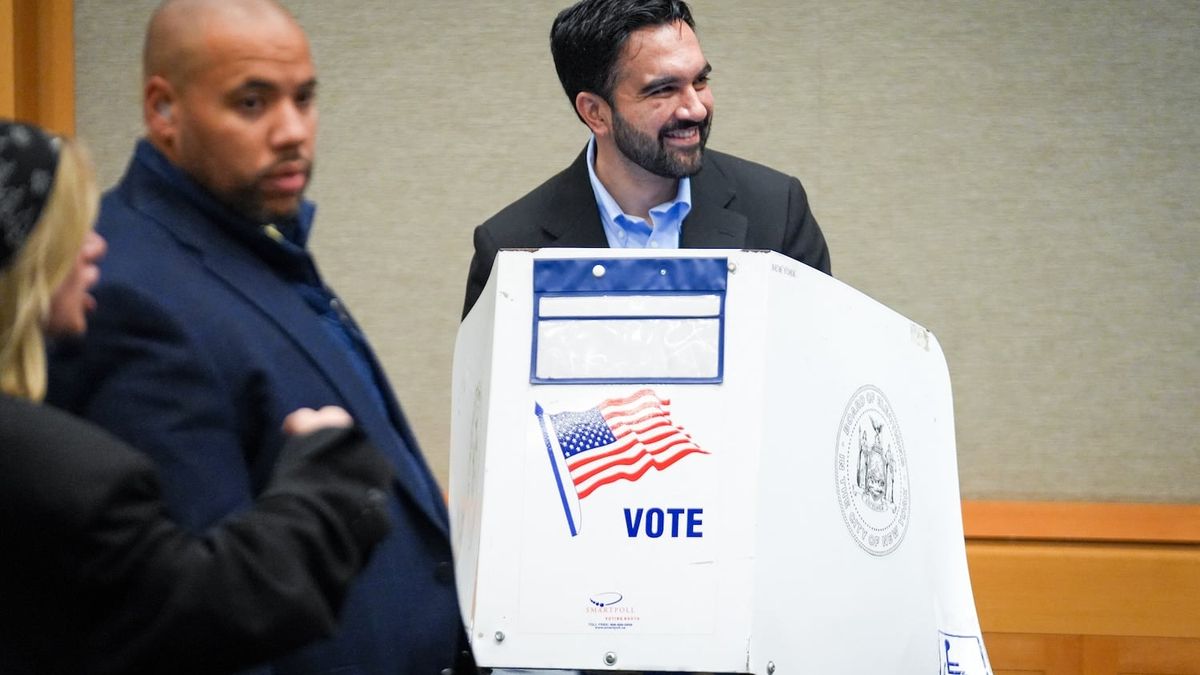
Recent US midterm elections have seen a notable surge in progressive candidates securing victories, particularly within the Democratic Party. Figures like James Talarico and Annie Andrews won unexpected Senate seats in Texas and South Carolina, while Peggy Flanagan and Manny Rutinel clinched victories in Minnesota and Colorado. These successes, alongside the closely watched Michigan Senate race won by Abdul El-Sayed, were often decided on platforms advocating for stronger labor institutions, higher minimum wages, universal healthcare, and an expanded social safety net. This shift comes as the concept of democratic socialism gains increasing palatability among American voters, driven by an ongoing cost-of-living crisis and widespread disillusionment with the prevailing economic system. The Republican establishment, epitomized by Speaker Mike Johnson's warning of
The demand for reform is primarily driven by a persistent cost-of-living crisis, rising economic inequality, and a widespread sense of alienation and disillusionment with the current economic system. Voters feel the system is not working for them, leading to a search for alternatives.
'Affective institutions' are models that acknowledge human needs for social connection and trust, building consensus-based communities rather than relying solely on market mechanisms or centralized control. Examples like worker cooperatives and community-governed resources suggest alternatives to traditional large-scale capitalist structures.
Both movements, despite their ideological differences, are reacting against the dominant neoclassical economic consensus. The populist right, exemplified by Trump, challenges free trade with industrial policy, while the progressive left advocates for democratic socialist principles like universal healthcare and a stronger social safety net, both seeking to address the perceived failures of unregulated markets.
Source referenced: FOREIGNPOLICY
This brief was synthesized by our Editorial Engine and reviewed by The Ground Narrative team.


