TRENDING

Monday, 21 September 2026
----------------------
10 Rabi' Al-Thani 1448 AH
The United States has again denied visas to the Palestinian leadership ahead of the UN General Assembly, prompting the EU to intervene. This clash reveals how diplomatic access is weaponized amid competing domestic pressures and international obligations.
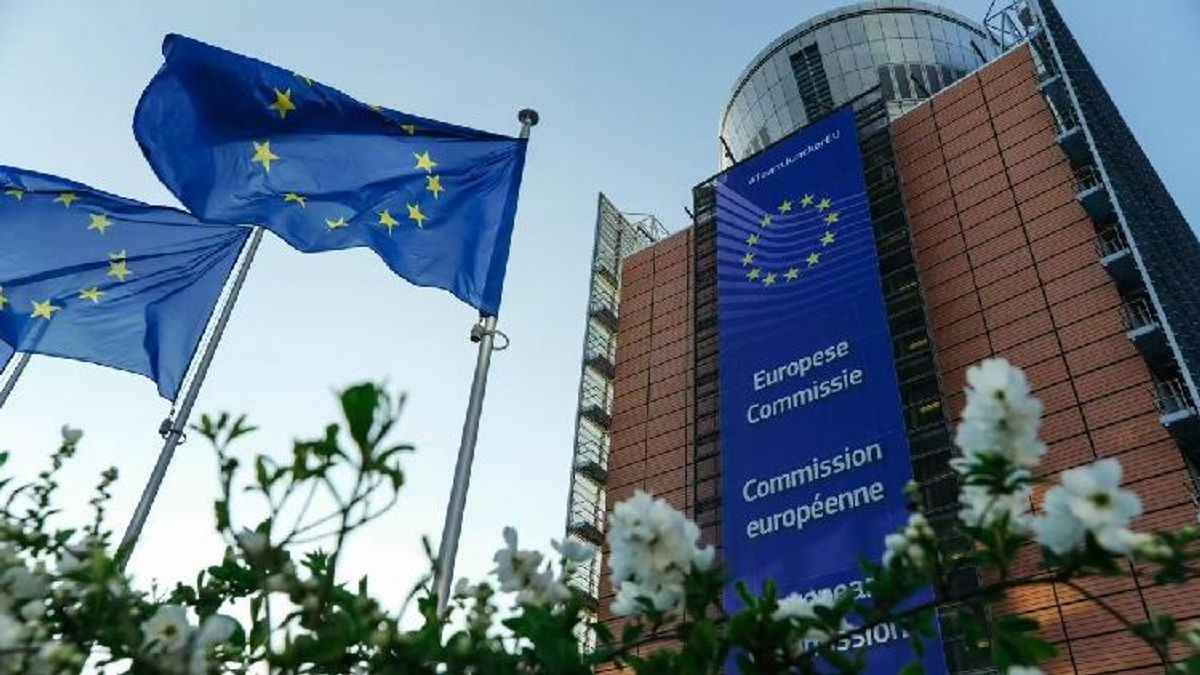
The United States extended its denial of entry visas to members of the Palestinian delegation for a second consecutive year, blocking President Mahmoud Abbas from traveling to New York for the UN General Assembly. The European Union publicly expressed regret and urged Washington to reverse the decision, citing the host‑country responsibilities outlined in the UN headquarters agreement.
The visa denial sits at the intersection of three structural forces. First, domestic U.S. politics: congressional committees and influential lobbying groups, notably the pro‑Israel lobby, have long pressured the State Department to limit Palestinian high‑level access, framing it as a security or diplomatic leverage issue. Second, the United States’ legal obligations as the UN host nation require it to facilitate the participation of all member states, a clause that the administration can sidestep only by invoking “national security” or “public order” exceptions. Third, the EU’s diplomatic calculus: Brussels seeks to preserve its credibility as a multilateral champion while balancing its own internal divisions over the Israeli‑Palestinian conflict. By publicly urging a reversal, the EU signals solidarity with the UN charter but also tests the limits of its influence over U.S. foreign‑policy choices, especially as trans‑Atlantic relations face strains over trade, technology, and defense spending.
The human cost falls largely on Palestinians who are already grappling with economic hardship and restricted movement. Abbas’s absence from the General Assembly diminishes the visibility of Palestinian grievances on a global stage, reducing opportunities for diplomatic outreach, aid coordination, and public sympathy. Civil society groups in the West Bank and Gaza lose a rare platform to amplify calls for humanitarian relief, while ordinary Palestinians face the indirect fallout of reduced international pressure on the occupation. Moreover, the visa denial reinforces a pattern of exclusion that erodes trust in international institutions, feeding cynicism among younger Palestinians who already feel disenfranchised.
Official statements from Washington stress “security concerns” and “procedural consistency,” yet they omit the political calculus behind the decision. What is downplayed is the extent to which the visa policy is used as a bargaining chip in broader U.S. negotiations with Israel, including arms sales and diplomatic cover in other regional forums. The EU’s intervention, while framed as a defense of UN norms, also masks its limited leverage: the EU cannot compel Washington without risking a diplomatic rift that could spill over into trade talks and joint research programs. Both sides therefore present the issue as a procedural dispute, while the underlying power play remains largely invisible to the public.
Watch how the United Nations adapts to repeated visa denials. The General Assembly’s decision to allow a virtual address for Abbas may set a precedent for remote participation, potentially reshaping diplomatic protocols for states facing travel restrictions. Simultaneously, monitor congressional hearings on the State Department’s visa policies; any shift in the composition of key committees could alter the pressure on the administration. Finally, the EU’s next diplomatic move—whether it escalates to formal complaints or leverages trade negotiations—will indicate how far European states are willing to push back against U.S. unilateral actions in multilateral settings.
Source referenced: CGTN
This brief was synthesized by our Editorial Engine and reviewed by The Ground Narrative team.


