TRENDING

Thursday, 5 November 2026
----------------------
25 Jumada Al-Awwal 1448 AH
China says it is in talks with the United States and Russia about a trilateral summit during the APEC leaders’ meeting in Shenzhen. The article unpacks who benefits, who bears the cost, and what the world should watch next.
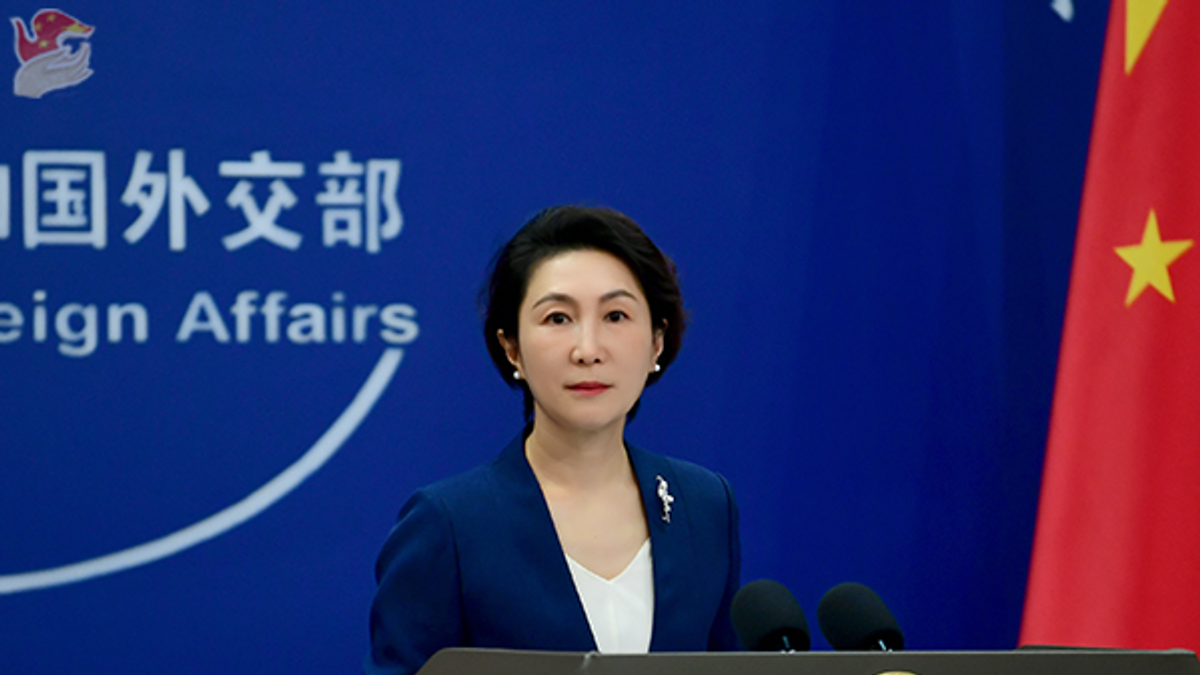
Chinese Foreign Ministry spokesperson Mao Ning confirmed that Beijing is in contact with the United States and Russia about a possible trilateral summit on the sidelines of the 33rd APEC Economic Leaders' Meeting in Shenzhen on November 18‑19, 2026. The announcement came during a routine press briefing, answering a reporter’s question about whether the three heads of state would meet while the broader APEC gathering proceeds.
Hosting APEC gives China a rare platform to showcase its economic clout while inviting rival powers into its backyard. By positioning itself as the convenor of a three‑way dialogue, Beijing hopes to extract concessions on trade, technology access, and sanctions relief that have hampered its growth since the early 2020s. The summit also lets China signal to domestic audiences that it can manage great‑power relations without compromising national dignity.
For the United States, the prospect of a three‑way summit offers a diplomatic back‑channel to address lingering disputes over Taiwan, semiconductor export controls, and the lingering fallout from the Ukraine war. President Joe Biden’s administration faces a mid‑term election cycle where any sign of diplomatic progress can be spun as a win against “China‑first” narratives. Yet the White House must balance that against a bipartisan Congress that remains wary of appearing soft on Russia.
Russia enters the talks with a war‑torn economy and a dwindling pool of allies. A direct line to China—its primary source of military equipment and a market for energy exports—has become a lifeline. By joining a summit that also includes the United States, Moscow hopes to break its diplomatic isolation, potentially securing a de‑escalation corridor that could ease sanctions pressure while preserving its strategic partnership with Beijing.
All three powers stand to gain economically: China can attract foreign investment by projecting stability; the United States can negotiate better market access for its tech firms; Russia can seek relief for its energy exports. However, each side must also manage alliance expectations—NATO allies watch any Russia‑China rapprochement with suspicion, while Asian partners monitor China’s willingness to restrain its assertiveness in the South China Sea.
The APEC venue brings a surge of security personnel, diplomats, and media crews to Shenzhen, inflating demand for hotels, transport, and food services. While some local businesses enjoy a short‑term boom, the city also faces rising prices for everyday goods, squeezing low‑income residents who already grapple with housing affordability. Construction crews tasked with rapid venue upgrades work long hours under heightened surveillance, with limited overtime pay.
A high‑profile summit can trigger short‑term disruptions in the region’s manufacturing hubs. Ports in Guangdong may impose stricter inspections, delaying shipments of electronics and apparel that feed Western retail shelves. Small‑scale exporters, already squeezed by trade tensions, risk losing contracts if delays push buyers toward alternative factories in Southeast Asia.
If the summit leads to any de‑escalation agreements, the immediate effect may be a reduction in missile alerts for border towns in Russia and the United States. Conversely, a failure to reach consensus could keep communities near bases in a heightened state of readiness, perpetuating the psychological stress of living under constant threat.
Official statements emphasize “constructive dialogue,” but they downplay the internal pressure on the Biden administration to secure a tangible diplomatic win before the mid‑terms. Behind closed doors, senior officials are weighing whether a limited agreement on semiconductor licensing could be framed as a success, even if broader strategic issues remain unresolved.
State media will likely portray the summit as evidence of China’s rising global stature, glossing over the massive security costs borne by Shenzhen’s residents. The narrative will sidestep the fact that the city’s rapid infrastructure upgrades are funded partly by reallocating budget from social welfare programs, leaving vulnerable populations with reduced services.
While Moscow touts the summit as a sign of “international legitimacy,” it omits the deteriorating morale of Russian soldiers and the economic strain on families in the Donbas and other conflict zones. Any diplomatic overture that eases sanctions may be used to mask the reality that the war’s human toll continues to rise.
- Agenda leaks: Watch for any leaked draft communiqués that reveal whether the three leaders will address Taiwan, Ukraine, or semiconductor export controls. The specifics will indicate which power’s red lines are being respected.
- Domestic political signals: Monitor U.S. congressional hearings on China policy and Russian parliamentary debates on the war effort in the weeks following the summit. Shifts in rhetoric often precede policy changes.
- Economic indicators: Track Shenzhen’s hotel occupancy rates, freight delays at the Guangdong ports, and the performance of the China‑US tech trade index. Sudden movements can signal whether the summit translates into concrete economic adjustments.
- Security posturing: Observe any changes in missile alert levels in the Pacific and Eastern Europe. A de‑escalation would be a clear, measurable outcome; a continuation would suggest the summit was largely symbolic.
- Public sentiment: Social media chatter in China, the United States, and Russia will reveal how ordinary citizens interpret the summit’s outcomes, especially in relation to cost‑of‑living pressures and war weariness.
By keeping an eye on these threads, readers can gauge whether the high‑profile meeting in Shenzhen merely serves diplomatic optics or actually reshapes the power balance that everyday people live under.
The summit aims to open a direct dialogue among the three heads of state to address trade, security, and technology issues, while each side seeks diplomatic leverage and domestic political gains.
Local workers may see a short‑term boost in jobs and prices, but rising living costs and diverted public funds could strain low‑income residents, while supply‑chain delays may affect consumer prices globally.
Editor's Note: Analysis based on publicly available statements and historical patterns; details of the summit agenda remain uncertain.
Source referenced: CGTN
This brief was synthesized by our Editorial Engine and reviewed by The Ground Narrative team.