TRENDING

Saturday, 19 September 2026
----------------------
8 Rabi' Al-Thani 1448 AH
Trump’s 2026 strike on Iran lifted oil prices, padded Russia’s budget and drained allies’ defenses, while ordinary people on both sides bear the brunt.
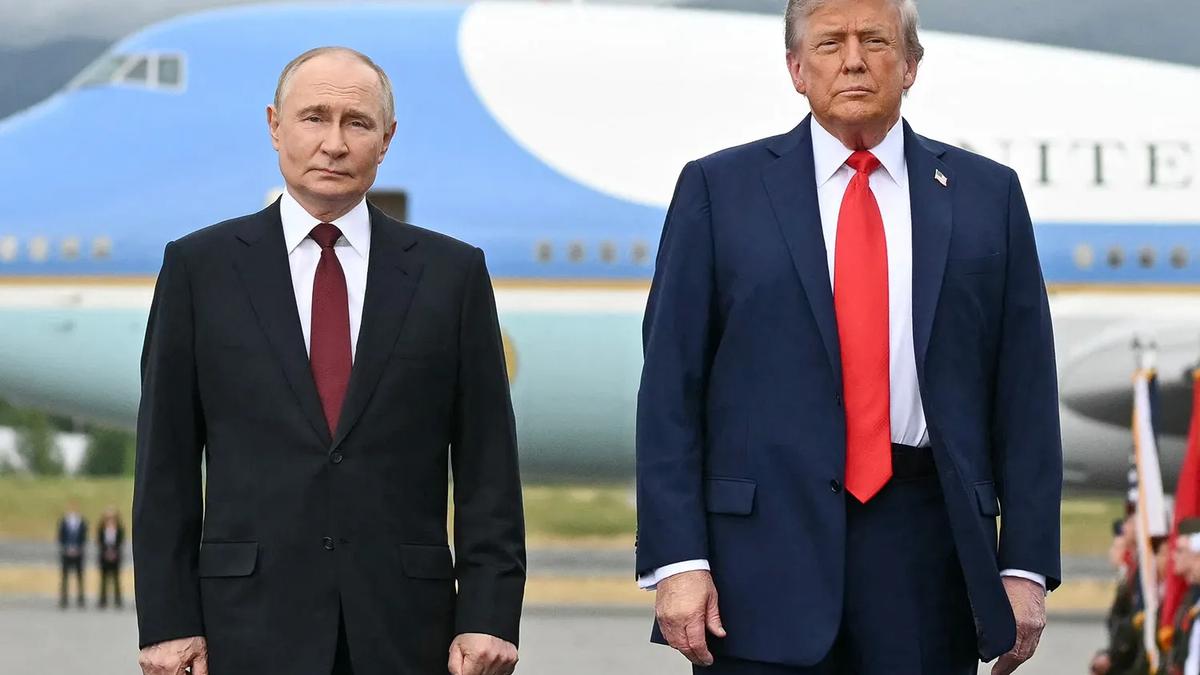
In April 2026 the United States, under President Donald Trump, launched a full‑scale air campaign against Iran, citing a vague threat of nuclear escalation. Within three weeks the U.S. had fired more than 800 Patriot interceptors and threatened to bomb Iranian power plants, while simultaneously suspending sanctions on Russian oil exports.
Domestic politics and profit motives – Trump’s hard‑line rhetoric appealed to his base, promising decisive action and a display of American resolve. The war also opened a market for U.S. defense contractors, who saw a surge in orders for precision munitions.
Russian economic calculus – The closure of the Strait of Hormuz spiked global oil prices, turning a budget deficit forecast for Moscow into a projected surplus. With European demand for Russian fertilizer soaring as Gulf exports stalled, Russia’s agricultural export revenues climbed sharply.
Alliance math and resource trade‑offs – The Pentagon redirected $750 million earmarked by NATO for Ukraine to replenish its own stockpiles, sidestepping European consent. This diversion weakened the already fragile Ukrainian air‑defense shield and signaled to European capitals that U.S. support could be re‑routed at will.
Intelligence and legal erosion – White House officials dismissed credible reports that Russia was feeding Tehran targeting data, while the Pentagon slashed the civilian‑harm mitigation unit by 90 percent and lowered the threshold for lethal force. The resulting policy vacuum allowed both sides to operate with fewer legal constraints.
* Iranian civilians – Bombardments of power infrastructure risked mass blackouts, water shortages and a humanitarian crisis that would force millions into displacement.
* Ukrainian defenders – The loss of Patriot missiles and diverted NATO funds left front‑line units scrambling for replacements, raising the probability of Russian strikes succeeding.
* European taxpayers – With U.S. funds rerouted, European governments must shoulder higher defense spending to fill the gap, straining post‑pandemic budgets.
* Global oil consumers – Higher crude prices ripple through gasoline and food costs, hitting low‑income households worldwide the hardest.
Washington’s public narrative framed the Iran strike as a defensive necessity, yet internal memos reveal an awareness that the move would benefit Russia’s war machine. By suspending sanctions, the administration effectively handed Moscow a windfall while claiming to protect European allies from “China‑focused” munitions shortages. The dismissal of intelligence on Russian‑Iranian coordination, coupled with the removal of legal safeguards, suggests a deliberate choice to mirror Russian war doctrine rather than a mere policy slip.
* U.S. congressional response – As the war’s cost becomes visible, lawmakers may push back on funding redirections, potentially reshaping the administration’s budget priorities.
* Russian war financing – A sustained oil surplus could allow Moscow to escalate operations in Ukraine or fund proxy forces elsewhere, altering the balance on the Eastern front.
* European defense posture – Expect accelerated procurement of independent air‑defense systems and a push for a unified funding mechanism that limits unilateral U.S. reallocation.
* Oil market volatility – Watch for price swings if the Strait of Hormuz reopens or if sanctions on Russian crude are reinstated, which would reverberate through global supply chains.
* Humanitarian fallout – International NGOs will likely flag civilian casualties in Iran, pressuring the U.N. and regional actors to mediate before a broader humanitarian disaster unfolds.
Source referenced: FOREIGNPOLICY
This brief was synthesized by our Editorial Engine and reviewed by The Ground Narrative team.