TRENDING

Friday, 18 September 2026
----------------------
7 Rabi' Al-Thani 1448 AH
Washington approved a $414 million loan for a Canadian uranium project in Niger, two years after pulling its troops. The deal deepens a scramble for the Sahel’s prized mineral amid mutinies, French rivalry and growing Algerian influence.
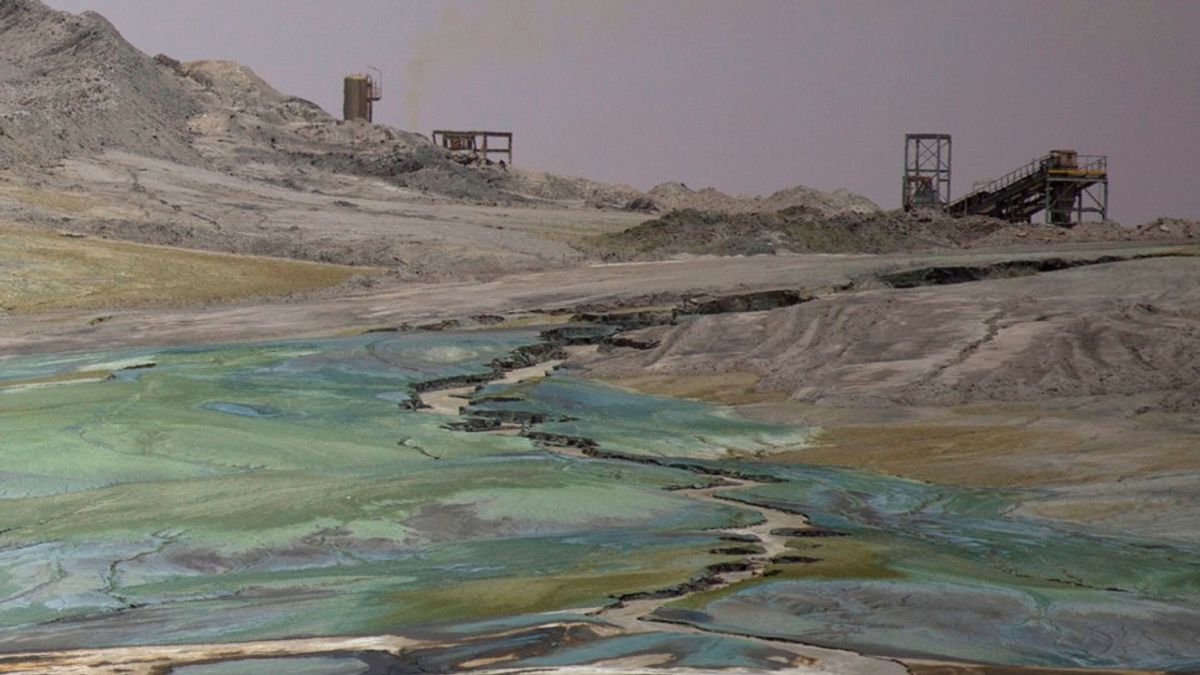
The U.S. Development Finance Corporation authorized up to $414 million in financing for Global Atomic’s Dasa uranium project in Niger. The approval comes two years after the United States withdrew roughly 1,000 troops following a 2023 coup, and follows a recent failed mutiny that targeted the presidential palace and a key airbase in Niamey.
The financing serves several intersecting incentives. First, uranium entered the U.S. critical minerals list in 2025, turning the metal into a strategic asset for energy security and nuclear deterrence. By backing a high‑grade deposit, Washington hopes to diversify supply away from Russia and China, and to undercut France’s historic monopoly through state‑backed Orano.
Second, the deal offers a diplomatic win for the Trump‑era “deal‑making” approach in Africa, signaling that Washington can still deliver cash when military presence is withdrawn. The loan also benefits Canada, whose mining sector is under pressure from a bilateral trade dispute; a joint U.S.–Canadian venture softens the friction while expanding North‑American influence in the region.
Third, the project reshapes regional alliance math. Algeria, which dispatched aircraft to help Niger suppress the mutiny, is being courted as a potential export corridor through the Sahara. A northern route would bypass the French‑controlled port of Cotonou and reduce reliance on insecure southern corridors, aligning Algerian and U.S. interests against French and Russian footholds.
Local communities near the Dasa site face a double‑edged sword. While the loan promises jobs and infrastructure, uranium mining carries health and environmental risks—radiation exposure, water contamination, and long‑term land degradation. The security situation compounds these costs: soldiers’ mutinies have already displaced families, and the presence of armed groups threatens both workers and civilians.
Moreover, Niger’s fragile economy remains heavily dependent on uranium revenues, making it vulnerable to price swings and external pressure. Any disruption—whether from a renewed French boycott or a Russian‑backed security pact—could plunge mining towns into unemployment and food insecurity.
Official statements frame the financing as a “strategic partnership” that will boost Niger’s development. What is omitted is the extent of the security gamble: Global Atomic is already scouting alternative export routes because the traditional road to the port of Cotonou is deemed too risky after the August attacks.
Washington also downplays the political cost of re‑engaging with a military junta that expelled foreign troops and has accused France of orchestrating the mutiny. By focusing on “critical minerals,” the narrative sidesteps the broader question of whether U.S. financial leverage will legitimize an unelected regime.
Watch for three converging developments:
1. Export corridor negotiations – If Algeria secures a north‑south pipeline or rail link, the Dasa project could become less dependent on French‑controlled ports, reshaping Sahel logistics.
2. French response – Orano may lobby the EU for sanctions or seek new partnerships to protect its market share, potentially escalating diplomatic friction.
3. Russian involvement – Moscow’s security assistance to Niger could translate into mining concessions, turning the uranium field into a proxy arena.
The trajectory of these moves will determine whether the $414 million loan translates into a sustainable revenue stream for Nigerese citizens or merely a new lever in great‑power competition.
Editor's Note: Analysis based on publicly reported financing and regional security reports; on‑the‑ground details may evolve.
Source referenced: ALJAZEERA
This brief was synthesized by our Editorial Engine and reviewed by The Ground Narrative team.