TRENDING

Saturday, 7 November 2026
----------------------
27 Jumada Al-Awwal 1448 AH
Displaced seniors in Sudan are battling hunger, illness, and isolation as the war between the government and the RSF deepens, exposing gaps in aid and accountability.
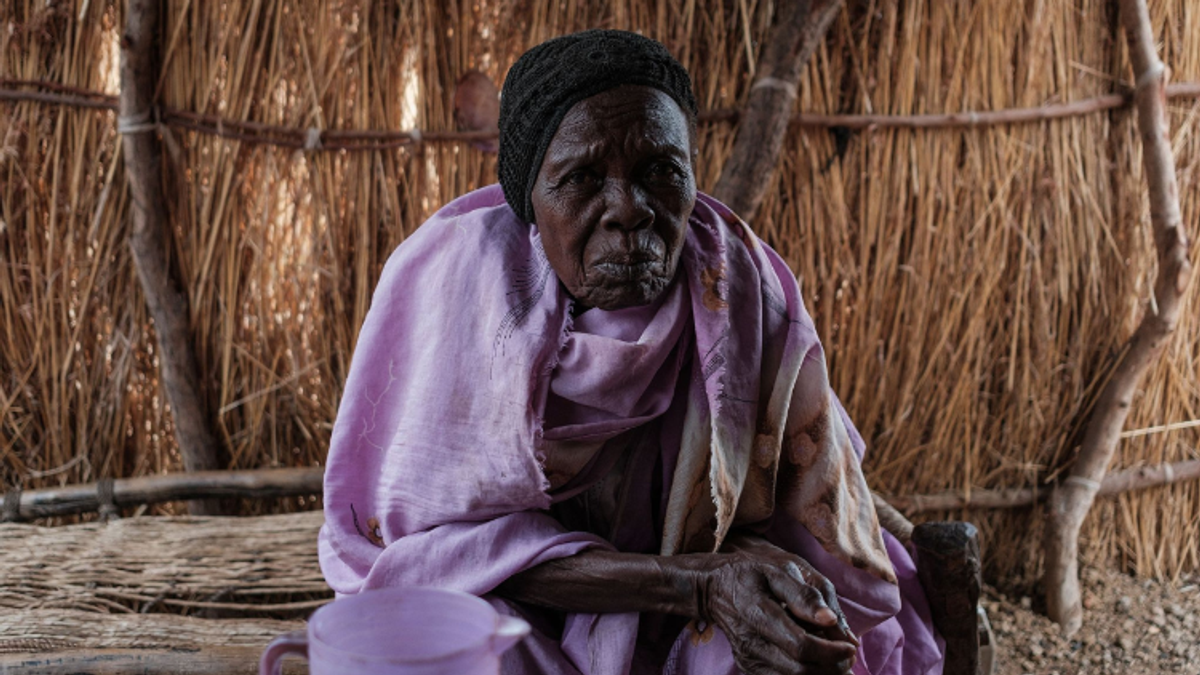
The Sudan civil war that erupted in April 2023 continues to push civilians from their homes, with an alarming number of seniors forced into displacement. In the latest reports, 75‑year‑old Hamad Abdallah fled his North Kordofan village after an RSF attack, while 71‑year‑old Fatima Mousa escaped a nearby town with neighbors, both now living in makeshift camps without reliable access to food, medication, or family support.
The conflict pits the internationally recognised transitional government against the Rapid Support Forces (RSF), a paramilitary group that grew out of the Janjaweed militias. Both sides rely on control of oil‑rich regions and strategic transport corridors to fund their war efforts, leaving civilian protection low on the agenda. International donors, wary of legitimising either party, channel aid through UN agencies that must negotiate access with both combatants, a process that often stalls when frontlines shift.
Economic collapse compounds the crisis. Inflation has surged past 300 % since 2022, eroding household purchasing power and making market‑based food purchases impossible for most displaced families. The government’s limited fiscal space forces it to prioritise military spending over social services, while the RSF siphons resources from seized towns to sustain its operations. This creates a vicious feedback loop: the longer the fighting persists, the more aid corridors are blocked, and the deeper the humanitarian gap widens.
Aid agencies operate under a fragile “humanitarian truce” that is routinely violated. When the RSF blocks roads to a camp, trucks carrying essential medicines are forced to reroute, delaying treatment for chronic conditions common among the elderly, such as hypertension and diabetes. The power dynamics also shape donor narratives; many governments frame the crisis as a security issue, emphasizing counter‑terrorism over civilian protection, which diverts funding away from health‑focused programmes.
Displaced seniors like Hamad and Fatima face daily uncertainty. Without family members to fetch water or prepare meals, they rely on communal kitchens that are often under‑stocked. Seasonal rains turn camp grounds into mud‑filled quagmires, increasing the risk of falls and injuries among those with limited mobility.
The Aldaw Hajooj Home for the elderly in northern Khartoum lost its only vehicle, a lifeline for transporting patients to hospitals. Director Moubark Satti reports that several residents died because they could not reach emergency care in time. Chronic medication shortages mean that conditions like asthma, arthritis, and heart disease go untreated, accelerating mortality rates among the aged.
Traditional Sudanese society places a strong emphasis on inter‑generational support. With the war scattering families across distant camps, many seniors are left without caregivers. The Ministry of Social Welfare’s attempts to reunite displaced elders with relatives have helped only a handful; the majority remain isolated, increasing the risk of mental health issues such as depression and anxiety.
Both the transitional government and the RSF frame the conflict in terms of territorial control and political legitimacy, rarely highlighting the plight of the elderly. Press releases focus on “combatant casualties” while civilian mortality, especially among seniors, receives scant coverage. This omission helps each side avoid accountability for the indirect deaths caused by blocked aid routes.
International donors have pledged over $4 billion in humanitarian assistance since 2023, yet a growing share is tied to security benchmarks. When aid agencies cannot guarantee that supplies will not be diverted to armed groups, donors pause shipments, leaving camps under‑resourced. The conditionality masks the reality that many seniors are dying from preventable diseases, a fact that is rarely reflected in public donor reports.
Global news outlets prioritize battlefield maps and diplomatic talks, relegating stories of elderly suffering to brief human‑interest pieces. This editorial choice shapes public perception, making it easier for policymakers to ignore the systemic neglect of older civilians while continuing arms sales and political support to both warring factions.
The next six months will be crucial. Peace negotiations in Jeddah have stalled, but any breakthrough could open humanitarian corridors that specifically address the needs of the aged. Watch for:
- Aid corridor agreements that include dedicated medical convoys for chronic disease treatment.
- Donor policy shifts that untie funding from security metrics, allowing NGOs to allocate resources directly to elder care.
- Local community initiatives such as volunteer driver programs that could replace lost transport assets for facilities like Aldaw Hajooj.
- RSF’s territorial movements around major supply routes, as any new blockade will immediately exacerbate the scarcity of food and medicine for camps.
Monitoring these indicators will reveal whether the international community and Sudanese actors are willing to prioritize human lives over strategic calculations, or whether the elderly will continue to fade into the background of a protracted conflict.
Elderly people need regular medication, mobility assistance, and family support, all of which are disrupted by conflict, blocked aid routes, and the loss of caregivers.
Donors can untie aid from security conditions, fund dedicated medical convoys, and support local transport solutions for elder care facilities, ensuring chronic disease treatment reaches camps.
Editor's Note: Analysis based on publicly available reports and established patterns of conflict‑driven humanitarian crises.
Source referenced: CGTN
This brief was synthesized by our Editorial Engine and reviewed by The Ground Narrative team.