TRENDING

Sunday, 20 September 2026
----------------------
9 Rabi' Al-Thani 1448 AH
A Sri Lankan court has sentenced two former officials to death over the 2019 Easter bombings, but the verdict raises more questions than answers. The attacks, which killed 260 people, have left a lasting impact on the country and its people.
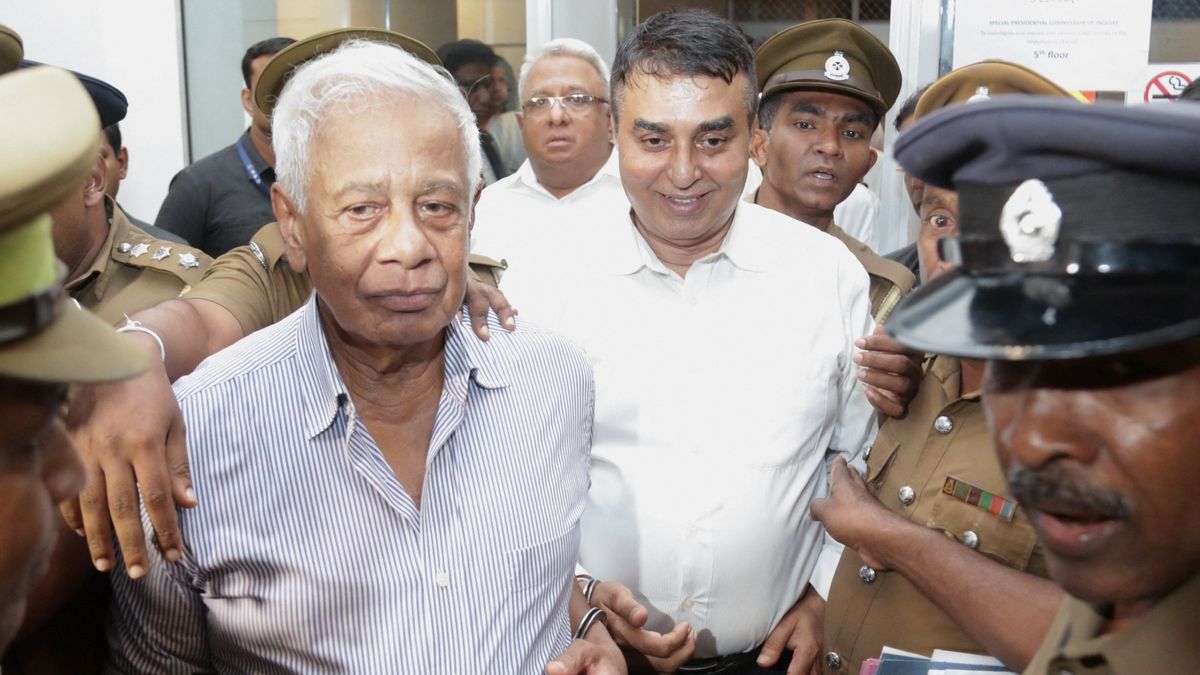
On July 31, 2026, a Sri Lankan court sentenced former Police Chief Pujith Jayasundara and former Defence Ministry Secretary Hemasiri Fernando to death for their role in the 2019 Easter bombings. The bombings, which targeted three tourist hotels and three churches, killed 260 people and wounded over 500 others. The court's decision came after a state appeal against a 2022 acquittal, with the prosecution arguing that the two officials were guilty of criminal negligence for failing to act on intelligence warnings.
The Easter bombings were a devastating example of the consequences of failed intelligence and inadequate security measures. The attacks were carried out by two Sri Lanka-based ISIL-inspired groups, but the masterminds behind the bombings remain unknown. The Sri Lankan government has faced criticism for its handling of the attacks, with many questioning why authorities failed to act on repeated intelligence warnings. The sentencing of Jayasundara and Fernando is seen as a attempt to hold someone accountable, but it raises questions about the extent of their involvement and whether they were merely scapegoats.
The Easter bombings had a profound impact on the people of Sri Lanka, particularly the Catholic community. The attacks killed 45 foreigners and wounded many more, leaving families and communities devastated. The aftermath of the bombings saw a significant increase in anti-Muslim violence, with many Muslims facing persecution and discrimination. The sentencing of Jayasundara and Fernando may bring some sense of closure for the victims' families, but it does not address the underlying issues that led to the attacks. The people who were not in the room when the decisions were made to ignore intelligence warnings are still waiting for justice.
The Sri Lankan government has been accused of downplaying the extent of its knowledge about the bombings and the involvement of other parties. The Catholic Church has claimed that those identified as perpetrators are not the masterminds behind the attacks, and that there was a bigger conspiracy at play. The part no one is talking about is the role of external actors, including Indian intelligence agencies, which had warned Sri Lanka about a possible suicide attack. The government's failure to act on these warnings raises questions about its priorities and allegiances.
As the appeals process begins, the next turning points will be closely watched. The sentencing of Jayasundara and Fernando may be commuted to life imprisonment, given Sri Lanka's moratorium on executions. However, the real question is whether the government will take concrete steps to address the underlying issues that led to the bombings. The people of Sri Lanka deserve answers and justice, not just scapegoats. Readers should watch for further developments in the separate trials of those allegedly connected to the perpetrators, as well as any potential revelations about the role of external actors in the bombings.
Editor's Note: The analysis is based on publicly available information and may not reflect the full complexity of the situation.
Source referenced: ALJAZEERA
This brief was synthesized by our Editorial Engine and reviewed by The Ground Narrative team.


