TRENDING

Saturday, 7 November 2026
----------------------
27 Jumada Al-Awwal 1448 AH
A significant personnel shuffle within the Republican Party, spearheaded by Donald Trump, sees Stephen Miller elevated to Chief of Staff. This move signals a deeper ideological consolidation, sparking warnings from former allies about the party's 2028 electoral prospects.
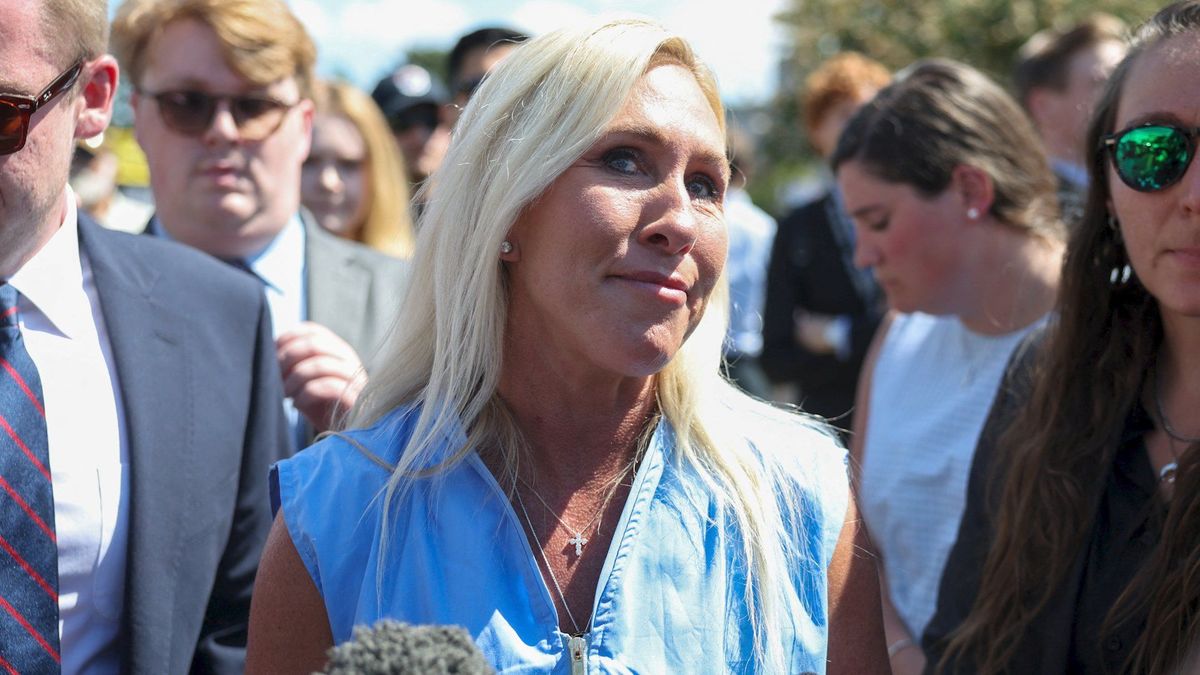
In a move signaling a significant internal shift within the Republican Party, former President Donald Trump has orchestrated a key personnel reshuffle, prominently elevating Stephen Miller to the influential role of Chief of Staff. This shakeup, which also reportedly involves a figure named Wiles, has been framed by some as a strategic maneuver to assert greater control over the party's direction and ideological future. The announcement, coming in late 2026, has already drawn sharp criticism from within Republican ranks, with former Congresswoman Marjorie Taylor Greene warning that such moves are designed to consolidate power and could severely jeopardize the party's chances in the 2028 presidential election.
This personnel shakeup is not merely an administrative adjustment; it is a profound demonstration of Donald Trump's enduring and perhaps expanding influence over the Republican Party apparatus, even after his presidency. By installing Stephen Miller as Chief of Staff, Trump is effectively placing a loyal and ideologically aligned figure at the very heart of the party's operational command. Miller, known for his hardline stance on immigration, his nationalist rhetoric, and his unwavering dedication to the MAGA agenda, represents a specific, uncompromising vision for the Republican future. His elevation signals a clear intent to reinforce this ideological purity, ensuring that the party's direction remains firmly tethered to Trump's political philosophy.
The role of Chief of Staff within a political party is akin to a central nervous system. This individual controls access to leadership, manages internal communications, sets policy priorities, and plays a critical role in campaign strategy and resource allocation. By entrusting this position to Miller, Trump gains an unparalleled lever to shape everything from candidate endorsements for 2028 to the party's national platform. This is a strategic move to preempt any potential deviation from the MAGA ideology and to sideline factions within the Republican Party that might seek a return to more traditional conservative principles or a broader, more moderate appeal.
Marjorie Taylor Greene's public warning, despite her past alliance with Trump, underscores the deep internal fissures this consolidation of power is creating. Her concern about the 2028 election highlights a fundamental tension: whether a party built on a narrow, fervent base can successfully expand its appeal to win national elections. The power mechanics here involve a calculated risk—sacrificing potential broader appeal for ideological cohesion and unwavering loyalty. This strategy aims to solidify a base, mobilize it effectively, and potentially reshape the electorate rather than simply cater to existing demographics. It is a gamble that the intensity of a loyal core can outweigh the breadth of a more diverse coalition.
Historically, political parties undergo internal struggles for their soul, but Trump's continued dominance, even outside the White House, is unusual. His ability to dictate such high-level appointments years after leaving office speaks to a unique personal magnetism and a profound shift in the traditional structures of party leadership. This isn't just about winning the next election; it's about defining what it means to be a Republican for a generation, ensuring that the party's future candidates and policies reflect a specific, hardline nationalist vision. The power at play is not just electoral but ideological, aiming to cement a legacy and control the narrative from within.
The consolidation of power around a specific ideological faction, particularly one known for its uncompromising stances, carries significant human costs that extend far beyond the political elite. When a major political party narrows its ideological scope, it risks alienating vast segments of the electorate, leading to a less representative and more polarized political landscape. The Republican Party's shift, as signaled by Miller's elevation, could deepen societal divisions, making compromise and consensus-building on critical national issues increasingly difficult.
Stephen Miller's track record, particularly his influence on immigration policy during the Trump administration, provides a clear indicator of the potential human cost. Policies he championed often resulted in stricter enforcement, reduced asylum access, and family separations at the border. Should his influence as Chief of Staff translate into a more aggressive party platform, the consequences for immigrant communities, asylum seekers, and even legal residents could be severe. This includes:
- Increased fear and uncertainty: Communities already living with the threat of deportation or family separation would face heightened anxiety, impacting mental health and social stability.
- Economic disruption: Policies that restrict immigration or trade, driven by nationalist sentiment, can lead to labor shortages in key sectors, increased consumer prices, and reduced economic dynamism, affecting ordinary citizens' livelihoods.
- Erosion of civil liberties: A focus on
Stephen Miller's elevation to Chief of Staff within the Republican Party signals a consolidation of power by Donald Trump's faction. It aims to embed a hardline nationalist and populist ideology at the core of the party's operations, influencing future policy and candidate selection.
Greene, a former Trump ally, warns that this personnel reshuffle is designed to control the party's direction and could harm Republican chances in the 2028 presidential election. Her concern highlights a potential internal struggle over the party's ideological future and electoral strategy.
The human costs include potential alienation of voters, exacerbation of political polarization, and the implementation of policies that could disproportionately affect immigrant communities and marginalized groups. It also raises questions about the long-term health of democratic institutions and representative governance.
Editor's Note: The raw intelligence is limited on the precise role of 'Wiles' in the shakeup; analysis focuses on the confirmed promotion of Stephen Miller and its broader implications for the Republican Party's direction and power dynamics.
Source referenced: ALJAZEERA
This brief was synthesized by our Editorial Engine and reviewed by The Ground Narrative team.