TRENDING

Thursday, 17 September 2026
----------------------
6 Rabi' Al-Thani 1448 AH
Nigeria has significantly reduced its malaria prevalence over 15 years, a major public health achievement. However, the nation continues to face the world's largest malaria burden, highlighting the ongoing human cost and systemic challenges in public health.
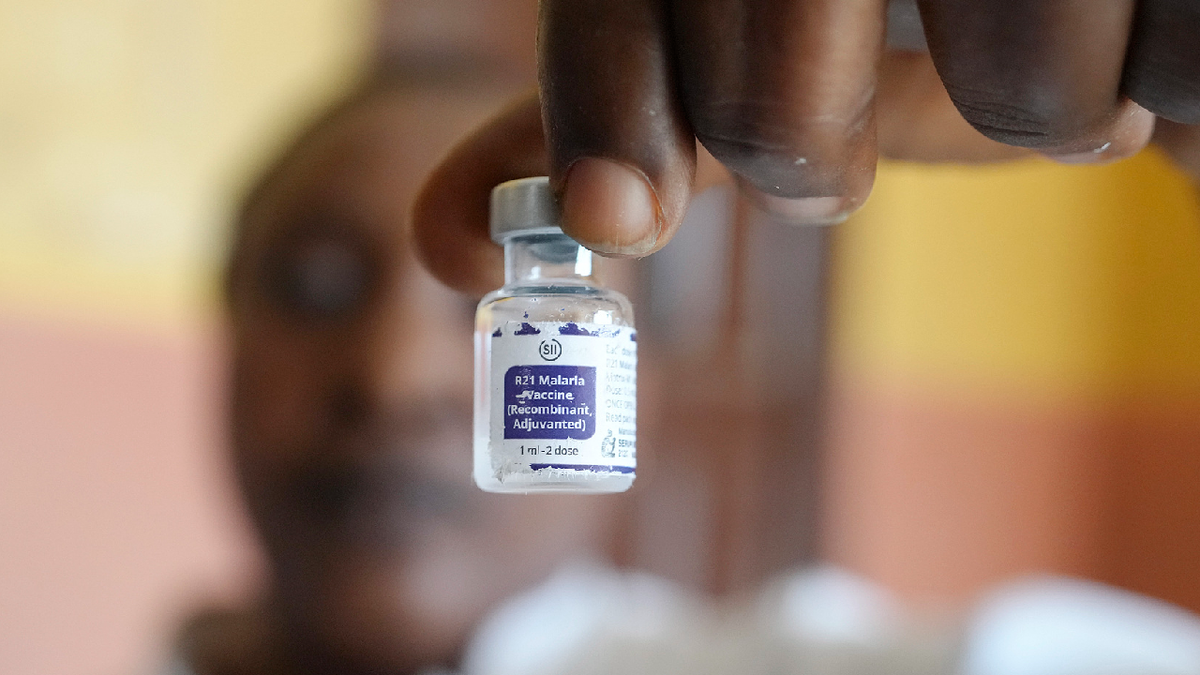
Nigeria has announced a substantial reduction in its malaria prevalence, dropping from 42 percent in 2010 to 15 percent by 2025. This progress, achieved over more than a decade, is attributed to a combination of sustained control efforts, including widespread vector control measures, expanded access to diagnosis and treatment, stronger disease surveillance systems, and preventive programs such as Seasonal Malaria Chemoprevention (SMC) in northern Nigeria. The nation also recently integrated the R21/Matrix-M malaria vaccine into its routine immunization program for children under one, distributing over 800,000 doses in its initial phase.
The ability of Nigeria, Africa's most populous nation, to achieve such a significant reduction in malaria prevalence speaks to a complex interplay of power dynamics. First, it demonstrates a sustained level of political will and investment from the Nigerian government, supported by international health organizations like the World Health Organization (WHO), whose recommendations guide many of these interventions. Implementing nationwide health programs in a country as vast and diverse as Nigeria requires immense logistical coordination, resource allocation, and a functional public health infrastructure, however imperfect. The economic incentive is clear: a healthier population means a more productive workforce and reduced strain on healthcare systems, ultimately contributing to national development. Furthermore, the introduction of a vaccine signals the growing influence of global health partnerships and pharmaceutical innovation, which provide tools that can dramatically alter public health outcomes, but often come with their own set of dependencies and cost implications for recipient nations.
Despite the celebrated progress, the human cost of malaria in Nigeria remains staggering. The nation still bears the world's largest malaria burden, accounting for approximately 24.3 percent of global cases. In 2024 alone, nearly 200,000 malaria-related deaths occurred in Nigeria, with children under five and pregnant women disproportionately affected. These are not just statistics; they represent hundreds of thousands of families shattered, futures unfulfilled, and communities grappling with immense grief and economic hardship. For these vulnerable populations, malaria is not merely a disease but a persistent threat that impacts every aspect of life – from a child's ability to attend school to a parent's capacity to earn a living. The constant cycle of illness and recovery drains household resources, perpetuating a cycle of poverty that is difficult to break.
While the reduction in prevalence is a commendable achievement, the official narrative often downplays the sheer scale of the ongoing crisis and the systemic vulnerabilities that persist. The announcement of a 15 percent prevalence rate, while positive, can obscure the fact that this still translates to millions of active cases in absolute numbers, given Nigeria's population. What is often omitted is the fragility of the infrastructure required to sustain these gains. Maintaining cold chains for vaccines, ensuring consistent supply of antimalarial drugs, and strengthening surveillance in remote, often insecure areas, are continuous, uphill battles. Moreover, the long-term impact of climate change on mosquito breeding patterns and disease transmission is a looming threat that could undermine current successes. Shifting rainfall and temperature patterns can expand the geographic reach of malaria, creating new challenges for control efforts that are rarely highlighted in immediate success reports.
Going forward, several critical factors will determine the trajectory of Nigeria's fight against malaria. Observers should watch for the sustained integration and effectiveness of the malaria vaccine into routine immunization programs, particularly its impact on child mortality rates. The long-term funding commitments from both domestic sources and international partners will be crucial, as maintaining these extensive public health interventions is resource-intensive. Furthermore, how Nigeria adapts its strategies to address the environmental shifts driven by climate change will be key to preventing a resurgence of the disease. Finally, continued scrutiny of localized data will be essential to identify areas where interventions are falling short, ensuring that the benefits of progress reach every Nigerian, especially the most vulnerable.
Source referenced: CGTN
This brief was synthesized by our Editorial Engine and reviewed by The Ground Narrative team.


