TRENDING

Saturday, 19 September 2026
----------------------
8 Rabi' Al-Thani 1448 AH
The world's top chokepoints are not just geographical, but also economic, and they are being increasingly used as tools of geopolitical power. The US dollar, rare-earth minerals, and advanced semiconductors are among the most potent chokepoints, giving their controllers significant leverage over the global economy.
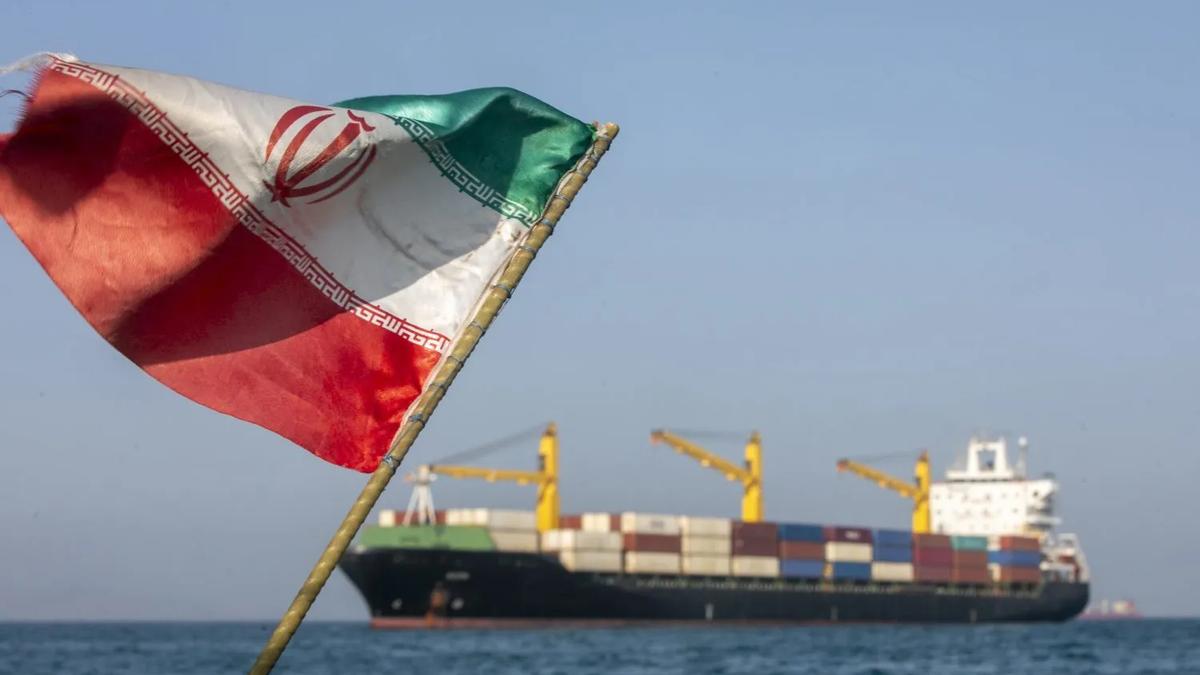
The concept of chokepoints has become increasingly relevant in discussions about global affairs, particularly in the context of the closure of the Strait of Hormuz. However, according to Edward Fishman, a senior fellow at the Council on Foreign Relations, the Strait of Hormuz would only rank fifth on his list of the top five pressure points in global commerce. The top four chokepoints are economic in nature, including the US dollar, advanced semiconductors, rare-earth minerals, and cloud services.
The power mechanics at play here are centered around the concept of economic interdependence. The global economy is increasingly interconnected, with countries and companies relying on each other for trade, investment, and technology. However, this interdependence also creates vulnerabilities, as countries can use their position in the global economy to exert pressure on others. The US dollar, for example, is involved in 90% of all foreign exchange transactions, giving the United States significant leverage over the global economy. Similarly, China's control over rare-earth minerals and magnets gives it a strategic advantage in the production of advanced technologies.
The human cost of these chokepoints is significant. The closure of the Strait of Hormuz, for example, has had a major impact on the global oil market, leading to increased prices and economic disruption. The use of economic sanctions, such as those imposed by the United States on Iran, can also have devastating effects on the civilian population, leading to shortages of food, medicine, and other essential goods. The reliance on advanced semiconductors and rare-earth minerals also creates risks for companies and countries that are dependent on these technologies, as disruptions to supply chains can have significant economic and social impacts.
One of the untold stories here is the extent to which powerful actors are using these chokepoints to further their own interests. The United States, for example, has been using its control over the US dollar to impose sanctions on countries such as Iran and Venezuela, with significant humanitarian consequences. China is also using its control over rare-earth minerals and magnets to exert pressure on countries such as the United States, which is dependent on these technologies for its military and economic power. The use of cloud services as a chokepoint is also a relatively new development, with companies such as Amazon, Microsoft, and Google controlling significant amounts of data and infrastructure.
Looking ahead, it is likely that the use of chokepoints will continue to be a major feature of global politics. As countries and companies become increasingly interconnected, the potential for disruptions to supply chains and the global economy will only increase. The development of new technologies, such as advanced semiconductors and cloud services, will also create new vulnerabilities and opportunities for leverage. As such, it is essential to monitor the use of chokepoints and to develop strategies for mitigating their impact on the global economy and civilian populations.
Editor's Note: The analysis is based on publicly available information and expert opinions, but the use of chokepoints is a complex and evolving issue, and the actual impact of these developments may differ from the predictions made here.
Source referenced: FOREIGNPOLICY
This brief was synthesized by our Editorial Engine and reviewed by The Ground Narrative team.