TRENDING

Saturday, 1 August 2026
----------------------
18 Safar 1448 AH
The US government has proposed cuts to Colorado River water use for Arizona, California, and Nevada, sparking concerns over the impact on agriculture, cities, and tribes. The move aims to stave off a crisis in the beleaguered waterway, but who will bear the human cost? The proposal could lead to higher water prices, more reliance on groundwater, and leaving fields unplanted, affecting millions of people and communities that depend on the river.
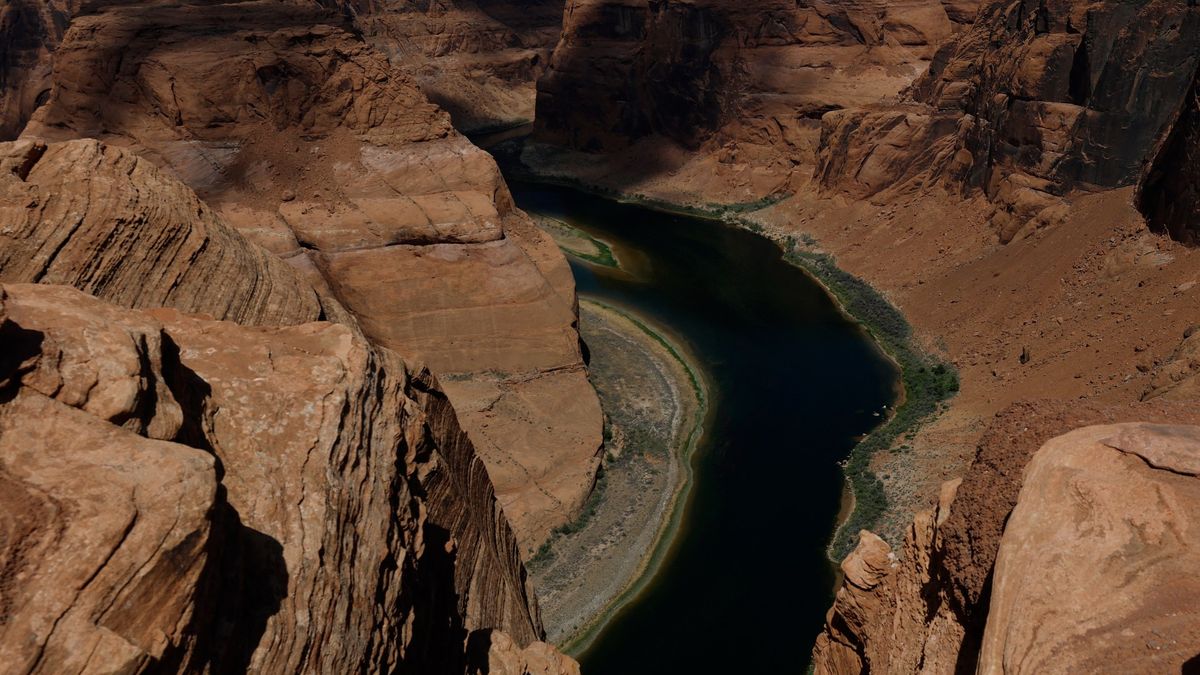
The US Bureau of Reclamation has issued a proposal to reduce water use from the Colorado River by up to 3 million acre-feet annually through 2036, affecting Arizona, California, and Nevada. The move aims to prevent a crisis in the river, which is a major source of water for over 40 million people in seven US states, several tribal nations, and Mexico.
The proposal is a result of decades of overuse, drought, and climate change, which have depleted the river's water levels. The federal government has stepped in to impose cuts after years of deadlocked negotiations among the states. The plan allows for deeper cuts in drier times and gives states more time to collectively agree on how to manage the dwindling resource. However, the proposal has been met with resistance from stakeholders, with Arizona, California, and Nevada calling for more equitable cuts across all seven states.
The proposed cuts will have a significant impact on agriculture, cities, and tribes in the affected states. Farmers in Southern California and Yuma, Arizona, who produce the majority of North America's leafy greens in the winter, may face devastating impacts, including higher water prices and reduced crop yields. Cities in metro Phoenix may not face immediate water shortages, but residents can expect increased water rates. The proposal may also lead to more reliance on groundwater, which is more expensive and can have environmental consequences.
What is being downplayed in the proposal is the long-term sustainability of the Colorado River and the potential consequences of continued overuse. The river's health is often determined by the water levels in Lake Mead and Lake Powell, which are at their lowest point since they began filling. If the water levels continue to decline, the reservoirs may no longer be able to produce hydropower, leading to significant economic and environmental impacts. The federal government's proposal may be a temporary solution, but it does not address the underlying issues of overuse and climate change that are driving the crisis.
As the proposal moves forward, readers should watch for the reactions of stakeholders, including the states, tribes, and agricultural users. The federal government is expected to offer suggestions on how to implement the cuts, which may lead to further negotiations and potential lawsuits. The long-term sustainability of the Colorado River will depend on the ability of the states and the federal government to work together to address the underlying issues driving the crisis. The impact of the proposal on the environment, economy, and communities will also be crucial to monitor, as the consequences of inaction could be severe and far-reaching.
Editor's Note: The analysis is based on publicly available information and may not reflect the full complexity of the issue.
Source referenced: ALJAZEERA
This brief was synthesized by our Editorial Engine and reviewed by The Ground Narrative team.


