TRENDING

Saturday, 12 September 2026
----------------------
1 Rabi' Al-Thani 1448 AH
As billionaires fund private space missions, NASA's Artemis II crew embodies a more inclusive vision of space exploration, echoing the utopian ideals of Star Trek. But who gets to define the future of space, and what are the human costs of this new frontier?
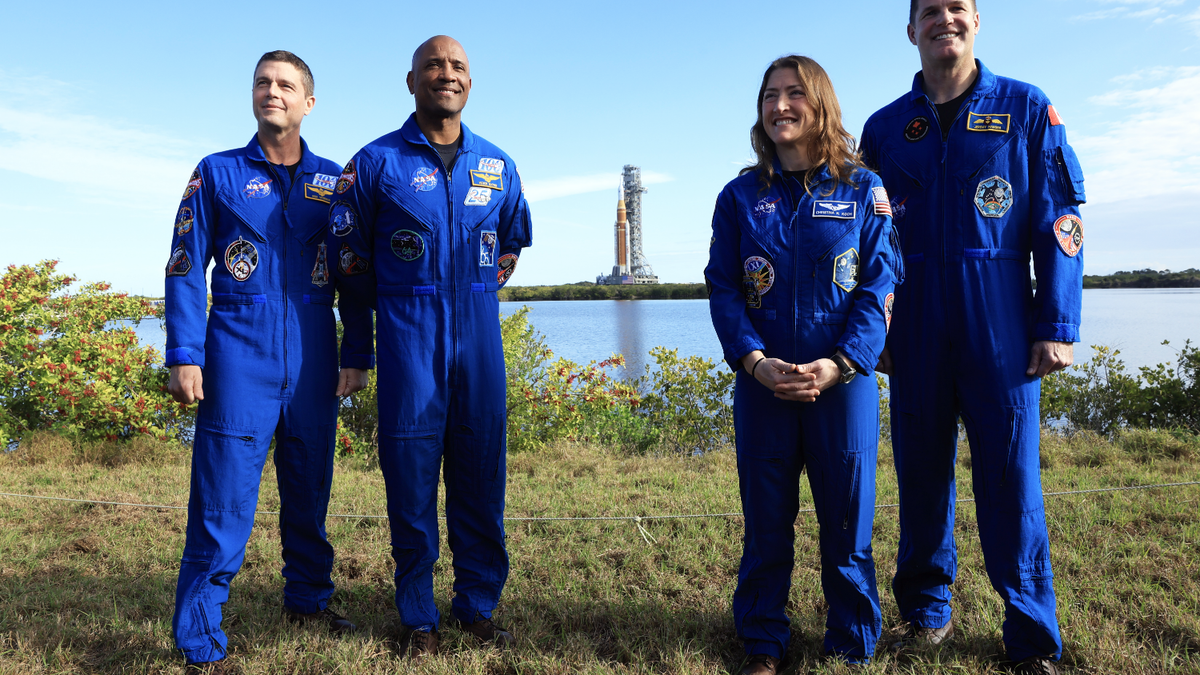
In April, the four-person crew of NASA's Artemis II mission broke the record set by Apollo 13, traveling more than 406,000 kilometers from Earth. This achievement was a testament to the power of public investment in space exploration, as opposed to the billionaire-funded missions that have garnered attention in recent years.
The current space race is not just about technological advancements, but also about the ideological divide between those who believe space exploration should be a public good and those who see it as a private enterprise. Billionaires like Jeff Bezos and Elon Musk are using their wealth to shape the narrative of space exploration, often prioritizing their own interests over the greater good. Meanwhile, NASA's Artemis II mission represents a more inclusive and diverse vision of space exploration, one that is rooted in the principles of public service and scientific discovery.
The human cost of this new space race is not just about the risks faced by astronauts, but also about the impact on communities and societies back on Earth. As private companies and governments invest heavily in space exploration, there is a risk that the benefits of this investment will not be shared equitably. The people who are most likely to be left behind are those who are already marginalized and excluded from the benefits of technological progress. For example, the communities that are most affected by the environmental degradation caused by the production and launch of space vehicles are often the same communities that are least likely to benefit from the economic opportunities created by the space industry.
One of the untold stories of the space race is the way in which it is being shaped by the interests of powerful corporations and governments. The narrative of space exploration is often presented as a heroic tale of human progress, but it is also a story of exploitation and inequality. The fact that billionaires like Bezos and Musk are able to shape the narrative of space exploration to suit their own interests is a testament to the power of wealth and influence in shaping our collective future. Furthermore, the emphasis on nostalgia and retro-futurism in recent Star Trek iterations, such as Strange New Worlds and Picard, may be seen as a way to appeal to a certain demographic, while downplaying the more progressive and utopian aspects of the franchise.
As the space race continues to heat up, it is essential to watch how the narrative of space exploration is being shaped and who is being left behind. We should be paying attention to the ways in which private companies and governments are investing in space exploration, and how these investments are being used to further the interests of the powerful at the expense of the marginalized. We should also be looking for alternative visions of space exploration, ones that prioritize the needs and interests of all humanity, rather than just the wealthy and powerful. The upcoming Starfleet Academy series, with its focus on the first cohort of cadets to attend the institution since the Burn, may offer a more nuanced and thoughtful exploration of the human cost of space exploration and the importance of inclusivity and diversity in shaping our collective future.
Editor's Note: The analysis is based on publicly available information and may not reflect the full complexity of the issues at play.
Source referenced: FOREIGNPOLICY
This brief was synthesized by our Editorial Engine and reviewed by The Ground Narrative team.


