TRENDING

Thursday, 17 September 2026
----------------------
6 Rabi' Al-Thani 1448 AH
An unprecedented surge of 60,000 migrants into Spain's Ceuta exclave reveals how North African nations can wield human flows as geopolitical leverage, exposing deep divisions within the European Union.
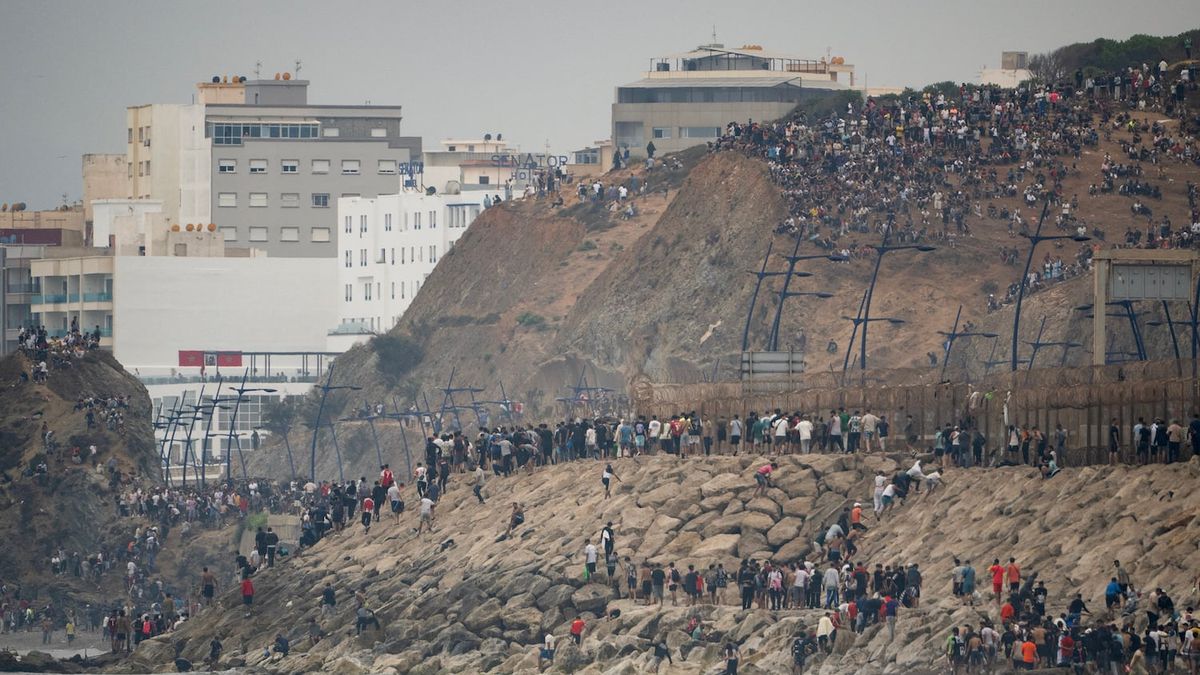
In an unprecedented 24-hour period, approximately 60,000 individuals from Morocco surged across the border into Spain's tiny North African exclave of Ceuta. This massive influx, which Spanish authorities described as an "attack on Spain's territorial integrity," overwhelmed local services and prompted Madrid to deploy armed forces. While Spain claims to have returned some 48,300 people, the chaos at the border led to violent clashes with Moroccan security forces and resulted in at least 57 deaths, many from drowning or stampedes.
The sheer scale and suddenness of the Ceuta crossings point to a deliberate, calculated move rather than an organic migration wave. Morocco, which controls the immediate access points to Ceuta, possesses the capacity to either contain or facilitate such movements. Its decision to, at least temporarily, loosen its border controls against Spain serves as a potent form of political leverage. Historically, North African states have used migration flows as a bargaining chip in diplomatic disputes with European partners, seeking concessions on issues ranging from economic aid to sovereignty claims, such as the Western Sahara dispute. By allowing the surge, Morocco sent a clear message to Madrid and Brussels: its cooperation on migration control is not a given, but a negotiable asset.
For Spain, the incident created an immediate crisis. Prime Minister Pedro Sánchez's left-leaning government, which recently moved to formalize the status of over a million undocumented migrants, found itself caught between humanitarian obligations and fierce domestic and European criticism. The event fueled far-right narratives across Europe, which accuse Spain of being too lenient on immigration. This dynamic exposes the fundamental tension within the EU's migration policy: the reliance on external partners to police its borders, creating a vulnerability when those partners choose to exert pressure.
The most immediate and tragic cost of this geopolitical maneuver was borne by the migrants themselves. Fifty-seven people died, their lives extinguished in the desperate attempt to reach European soil. These were individuals driven by a complex mix of economic hardship, lack of opportunity, and often, the hope for a safer, more stable future. They faced violent clashes, tear gas, water cannons, and warning shots, forced to swim miles only to be turned back. Their stories of desperation, risk, and ultimate loss are often reduced to statistics in official reports and political debates. The residents of Ceuta also paid a price, as their small community was suddenly overwhelmed, their daily lives disrupted by a humanitarian and social emergency that was not of their making.
What governments and official statements consistently downplay or omit is the underlying transactional nature of Europe's border security. While Spain publicly denounced the "attack on territorial integrity," the unspoken truth is that European nations often pay, directly or indirectly, for North African countries to act as their border guards. When a country like Morocco suddenly relaxes its controls, it's frequently a signal of dissatisfaction with the existing bargain or a demand for new concessions. The EU's swift condemnation of Spain by some members, particularly Italy, for failing to protect the Schengen border, also obscures the collective responsibility and the internal divisions within the bloc. This blame game deflects from the fact that the EU's externalized border strategy inherently risks such situations, turning human lives into a tool of statecraft. Furthermore, the focus on immediate border control often overshadows the deeper, systemic issues—poverty, instability, and climate change—that compel people to migrate, and the absence of safe, legal pathways that force them into perilous journeys.
Moving forward, several critical developments bear watching. The immediate aftermath will likely see intense, behind-the-scenes negotiations between Spain and Morocco to re-establish border control arrangements, potentially involving new aid packages or diplomatic concessions. Within the European Union, the incident will further strain the already fragile solidarity on migration policy, potentially leading to more unilateral actions like Italy's temporary suspension of the Schengen agreement with Spain. This could accelerate the erosion of free movement, a cornerstone of the EU. Domestically, Sánchez's government will face increased pressure from conservative factions, possibly forcing a re-evaluation of its immigration policies. Most importantly, the human element remains paramount: whether this tragic event will lead to a genuine re-assessment of migration pathways and root causes, or simply reinforce the 'Fortress Europe' mentality, pushing desperate people towards even more dangerous routes.
Source referenced: FOREIGNPOLICY
This brief was synthesized by our Editorial Engine and reviewed by The Ground Narrative team.


