TRENDING

Friday, 31 July 2026
----------------------
17 Safar 1448 AH
The US has moved to block certain foreign-made power inverters and advanced robots from its market, citing national security concerns. China views these restrictions as discriminatory trade barriers and threatens retaliation, escalating a critical technological competition.
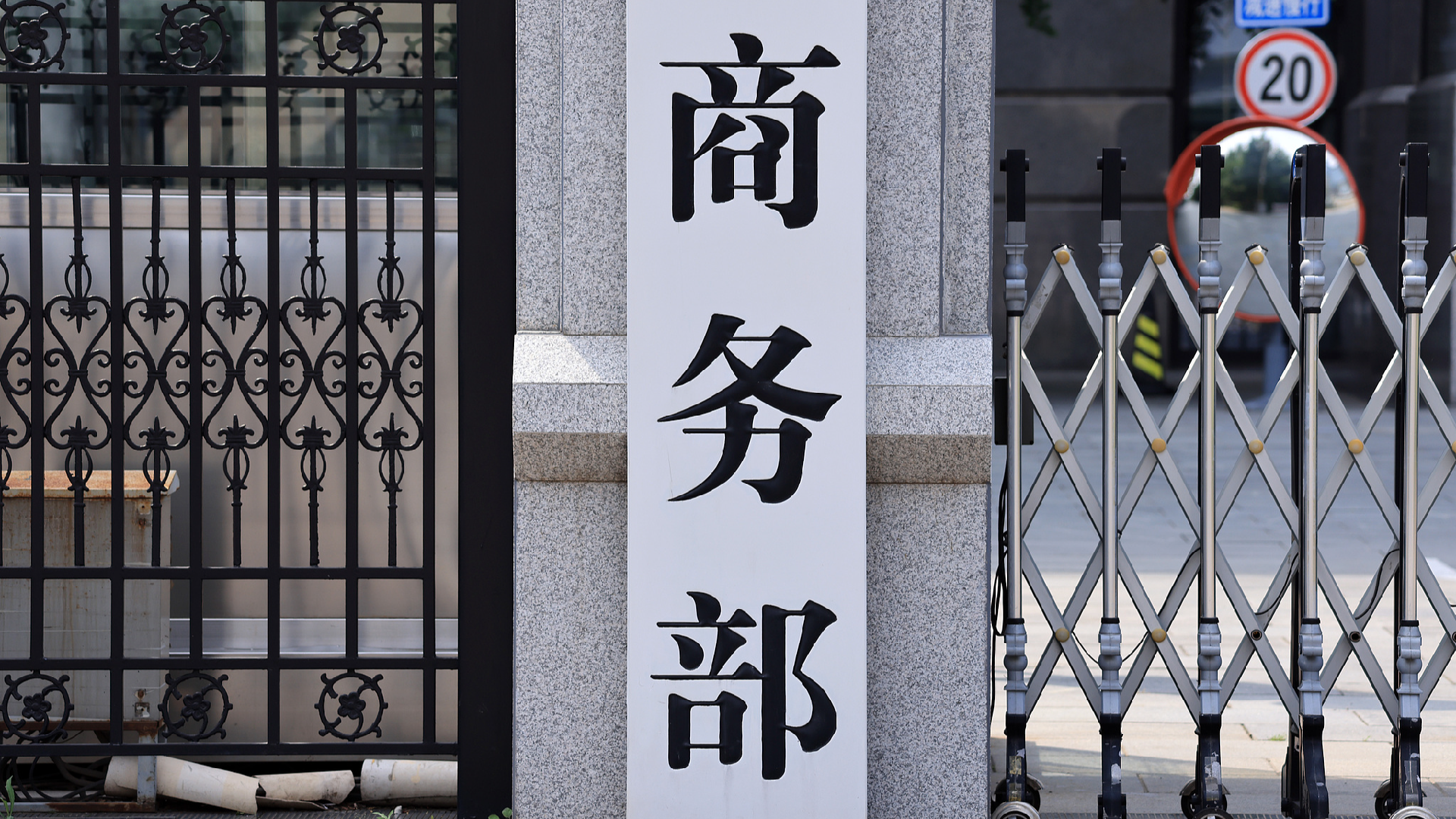
In a significant move, the US Federal Communications Commission (FCC) recently added new models of foreign-made power inverters and advanced robotic devices to its "Covered List." This designation effectively bars these products from receiving FCC authorization, preventing them from entering the US market. China's Ministry of Commerce swiftly condemned the decision, asserting that the measures are discriminatory against Chinese companies and products, despite being presented as non-discriminatory. Beijing has urged Washington to immediately revoke these restrictions, warning of firm countermeasures to safeguard its interests if the US proceeds.
This latest move by the US is a clear extension of a broader strategy to secure critical supply chains and maintain technological leadership, framed primarily through a national security lens. For the US, control over power inverters is about safeguarding the stability and resilience of its energy grid, including renewable energy infrastructure and data centers, against potential vulnerabilities or sabotage. Similarly, restricting advanced robotic devices speaks to concerns over industrial automation, artificial intelligence, and their potential dual-use applications in defense or surveillance. By using the FCC's regulatory power, the US can implement strategic economic controls without directly resorting to tariffs, which can be more easily challenged under international trade rules. This approach allows the current administration to demonstrate a tough stance on China, aligning with domestic political imperatives to protect perceived national interests and foster domestic technological capabilities.
From China's perspective, these restrictions are seen as thinly veiled protectionism designed to impede its economic ascent and technological innovation. China has invested heavily in becoming a global manufacturing powerhouse, particularly in renewable energy components and advanced robotics. These sectors are crucial to its economic growth model and its ambition to move beyond low-cost manufacturing. The accusation of "decoupling and supply chain disruption" highlights Beijing's view that Washington is deliberately attempting to fragment global trade to disadvantage Chinese firms. The threat of countermeasures signals China's intent to defend its economic interests and push back against what it perceives as unilateral bullying, aiming to deter further US restrictions and ensure its companies retain access to vital international markets.
The immediate impact of these restrictions will ripple far beyond government offices and corporate boardrooms, directly affecting ordinary citizens and businesses. In the US, consumers and industries relying on renewable energy might face higher costs for solar panel installations and battery storage systems if cheaper, efficient Chinese-made power inverters are no longer available. This could potentially slow the pace of green energy adoption and increase the financial burden on households and small businesses looking to reduce their carbon footprint. Similarly, reduced competition in advanced robotics could lead to higher prices for automation solutions, impacting the efficiency and competitiveness of American manufacturing.
On the Chinese side, manufacturers of power inverters and robotic devices, along with their vast workforces, stand to lose significant market access. This could translate into reduced orders, factory slowdowns, and potential job losses in regions heavily reliant on exports to the US. Smaller, specialized firms, often critical innovators, are particularly vulnerable to such market closures, as they lack the resources to quickly pivot to new markets or retool their production lines. Furthermore, developing nations, often dependent on affordable technology from global supply chains, may find themselves caught in the crossfire, facing higher costs for essential technological components needed for their own development and infrastructure projects.
While the US frames these measures primarily under the banner of national security, the precise, publicly articulated mechanisms by which a power inverter or a robotic device could pose a direct security threat are often left vague. This ambiguity allows for broad application of restrictions without needing to provide detailed, verifiable evidence that might be subject to public scrutiny or international challenge. What often goes unstated is the significant economic advantage these restrictions confer upon nascent or struggling domestic industries within the US. By limiting competition from established Chinese manufacturers, the US effectively creates a protected market, allowing its own companies to grow and innovate with less pressure. This economic protectionism, while strategically beneficial for domestic industrial policy, is rarely highlighted when national security is invoked.
Furthermore, both sides tend to downplay the profound and long-term costs of this escalating technological decoupling. The global economy has thrived on interconnected supply chains, optimizing for efficiency and cost. Forcing a fragmentation of these chains, requiring costly re-tooling, re-sourcing, and the development of parallel, potentially incompatible technological ecosystems, introduces inefficiencies that ultimately affect global prices, innovation, and economic growth. The true cost of this strategic competition, borne by consumers and businesses worldwide through higher prices and slower technological advancement, is often omitted from official narratives focused on national interest.
The immediate focus will be on China's retaliatory measures. Will Beijing target specific US tech companies, restrict access to critical raw materials, or impose its own bans on US products? The nature and scale of China's response will dictate the next phase of escalation in this tech standoff. Another crucial aspect to watch is allied alignment. How will key US allies in Europe and Asia respond to these new restrictions? Will they align with the US, or will they attempt to maintain open trade channels with China in these critical sectors, potentially creating fissures in a unified front? Finally, the long-term impact on global technological innovation and the green transition will be paramount. As both nations race for self-sufficiency in critical technologies, will this lead to a more resilient, diverse global tech landscape, or will it create fragmented, less efficient systems that hinder collective progress on global challenges like climate change?