TRENDING

Saturday, 19 September 2026
----------------------
8 Rabi' Al-Thani 1448 AH
Brazil has accused the US of extending emergency trade powers on 'baseless' claims, imposing tariffs of up to 35% on Brazilian industrial goods. The move is part of a larger power struggle between the two nations, with significant implications for global trade and diplomacy. As tensions escalate, it's essential to examine the underlying mechanics of power and the human cost of these actions.
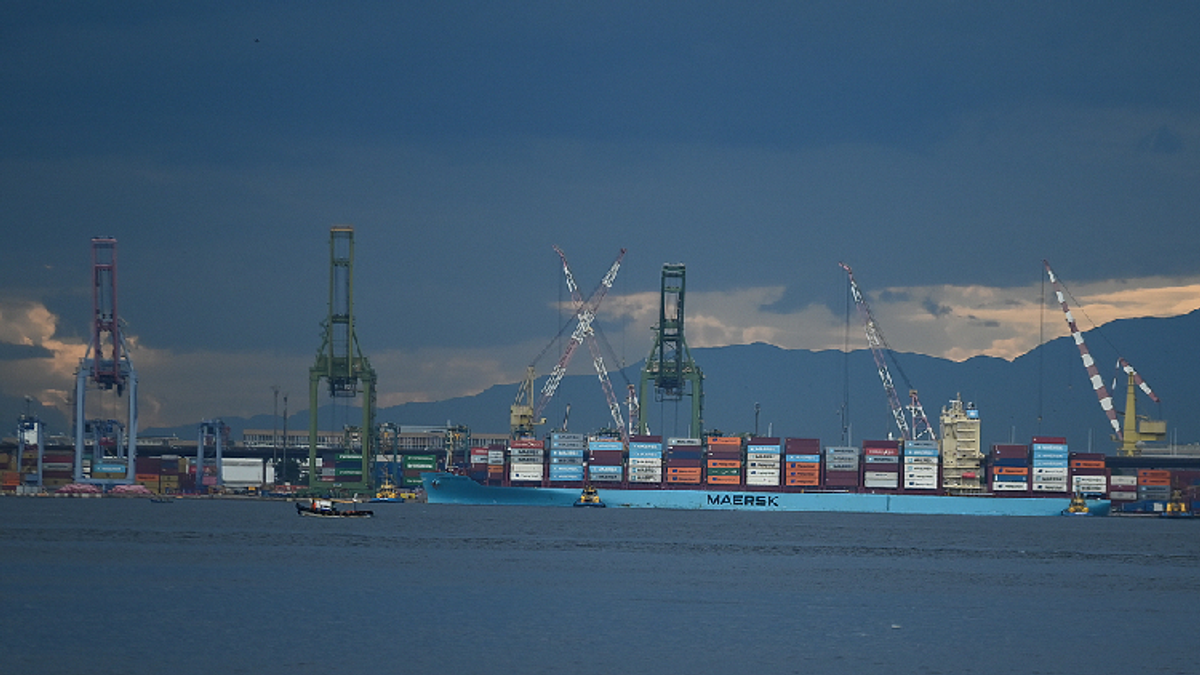
The US has extended its emergency trade powers against Brazil, citing 'unusual and extraordinary threats' to national security, foreign policy, and the economy. This decision allows the US to impose tariffs of up to 35% on Brazilian industrial goods, a move that Brazil has vehemently denounced as 'baseless and false'.
The US decision to extend emergency trade powers is a clear example of power projection, where a dominant nation uses its economic and political leverage to exert influence over a smaller country. The US has a long history of using trade policy as a tool of foreign policy, often to coerce or punish nations that don't align with its interests. In this case, the US is using allegations of human rights violations, suppression of free speech, and political persecution as a pretext to justify its actions. However, Brazil has categorically rejected these accusations, emphasizing the strong diplomatic ties and friendship between the two nations.
The tariffs imposed by the US will have a significant impact on Brazilian workers and industries, particularly in the manufacturing sector. The increased costs of exports will make Brazilian goods less competitive in the global market, potentially leading to job losses and economic instability. Furthermore, the tariffs will also affect US consumers, who will face higher prices for imported goods. The human cost of these actions is often overlooked in the midst of geopolitical posturing, but it's essential to recognize the real people affected by these decisions.
What's being downplayed in this narrative is the broader context of US-Brazil relations. The US has been seeking to expand its influence in South America, particularly in the face of growing Chinese and European investment in the region. The tariffs imposed on Brazil can be seen as a strategic move to limit Brazilian economic growth and maintain US dominance in the region. Additionally, the US is using its trade policy to punish Brazil for its perceived alignment with other global powers, such as China and Russia. This geopolitical gamesmanship has significant implications for global trade and diplomacy, and it's essential to recognize the hidden agendas at play.
As this situation unfolds, it's crucial to watch for further escalation in US-Brazil trade relations. The Brazilian government has already denounced the US decision, and it's likely that retaliatory measures will be taken. Additionally, the global response to these actions will be important to monitor, particularly from other nations in the region. The European Union, China, and other major trading partners may take a dim view of the US's actions, potentially leading to further trade tensions and global economic instability.
Editor's Note: The analysis is based on publicly available information and may not reflect the full complexity of the situation.
Source referenced: CGTN
This brief was synthesized by our Editorial Engine and reviewed by The Ground Narrative team.