TRENDING

Sunday, 8 November 2026
----------------------
28 Jumada Al-Awwal 1448 AH
A US military strike on a St. Kitts-flagged cargo ship in the Gulf of Oman, purportedly for breaching an Iran blockade, has brought the hidden costs of economic warfare into plain sight. Twenty-two sailors were rescued from the burning vessel, underscoring the direct human impact of global power struggles.
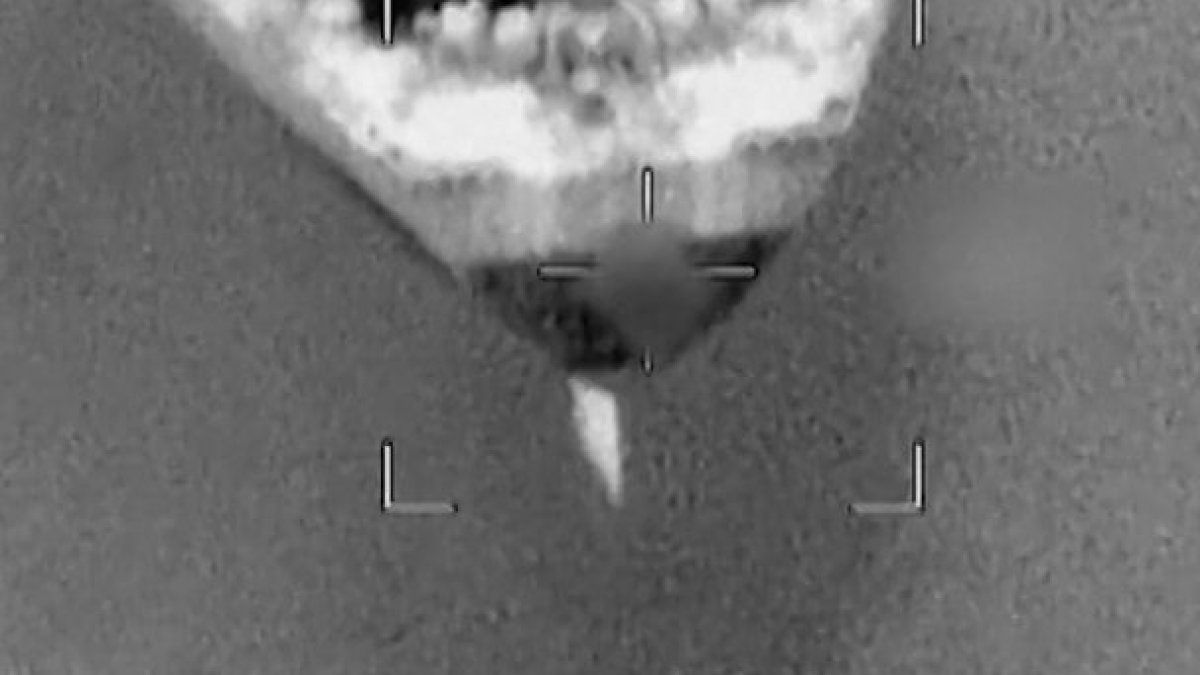
The US military confirmed it fired upon and disabled a St. Kitts-flagged cargo ship in the Gulf of Oman, asserting the vessel had ignored warnings regarding a breach of the US blockade of Iran. The incident, which occurred on a Sunday, saw 22 sailors rescued by United Arab Emirates authorities from the burning ship near the crucial Strait of Hormuz. This direct military action marks a significant escalation in the ongoing, often covert, struggle over maritime trade routes and the enforcement of international sanctions.
This incident is a stark illustration of the United States' assertion of its power to enforce unilateral sanctions through military means in international waters. The Gulf of Oman and the adjacent Strait of Hormuz are among the world's most critical maritime chokepoints, through which a substantial portion of global oil supplies passes. For the US, maintaining the efficacy of its sanctions regime against Iran is a core component of its strategy to curb Tehran's nuclear program, regional influence, and ballistic missile development. The decision to use force against a commercial vessel, even one allegedly in violation of a blockade, signals a willingness to elevate the stakes beyond economic pressure alone.
Iran, for its part, views these sanctions as an act of economic warfare designed to cripple its economy and destabilize its government. Its strategy has long involved finding ways to circumvent these restrictions, often relying on a complex network of shipping, shell companies, and flags of convenience to continue its oil exports and import essential goods. The targeting of this cargo ship directly challenges Iran's ability to sustain these lifelines, forcing it to weigh the risks of continued defiance against the costs of compliance.
The act also projects US naval power in a region where several major powers, including China and Russia, have growing interests. By demonstrating its capacity and resolve to interdict vessels, the US sends a message not only to Iran but also to other actors who might consider challenging its dominance in maritime security. The structural forces at play here are multifaceted: the US seeks to maintain its global financial and military hegemony, Iran strives for economic survival and regional autonomy, and the broader international shipping industry navigates a minefield of conflicting legal frameworks and security threats.
Crucially, the concept of a
The US military stated it attacked the St. Kitts-flagged cargo ship because it ignored warnings about breaching the US blockade of Iran. This action is part of the US effort to enforce its unilateral sanctions aimed at limiting Iran's trade and revenue.
The 'US blockade of Iran' refers to the comprehensive economic sanctions imposed by the United States on Iran. While the US enforces these sanctions, using military force to interdict commercial vessels in international waters, outside of a UN mandate or a declared state of war, raises complex questions under international maritime law regarding freedom of navigation and sovereignty.
The 22 sailors rescued from the burning cargo ship were crew members whose nationalities were not specified. They were likely from various countries, working in the global shipping industry, and became direct human casualties of the escalating geopolitical tensions in the Gulf of Oman.
Editor's Note: Analysis relies on contextual knowledge of US-Iran relations, international maritime law, and the geopolitics of the Gulf, as the raw intelligence is brief.
Source referenced: ALJAZEERA
This brief was synthesized by our Editorial Engine and reviewed by The Ground Narrative team.